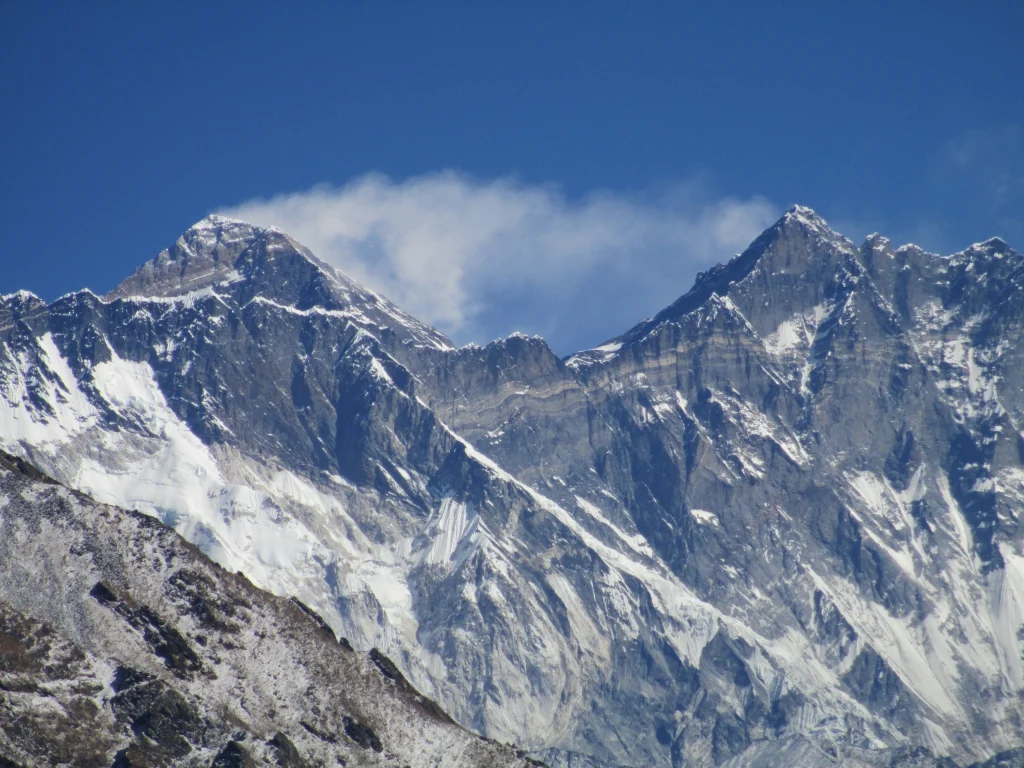
The Khumbu region in Nepal stands as one of the most iconic and breathtaking destinations in the world for trekking enthusiasts.
Nestled in the Solukhumbu District of eastern Nepal, this area serves as the primary gateway to Mount Everest (Sagarmatha) and offers an unparalleled blend of dramatic Himalayan landscapes, rich Sherpa culture, ancient monasteries, and high-altitude adventure.
Whether you’re dreaming of the classic Khumbu Valley trek to Everest Base Camp or exploring lesser-known trails through glacier-fed valleys, the Khumbu delivers experiences that stay with you forever.
At Adventure Himalaya Nepal, we specialize in crafting personalized journeys through this majestic region. Our expert local guides, many of whom are Sherpas with deep roots in the Khumbu, ensure safe, culturally immersive, and unforgettable treks. This comprehensive guide covers everything you need to know about the Everest Khumbu region, from planning your trip to immersing yourself in its wonders.
Geography and Landscape of the Khumbu Region
The Khumbu region forms part of the larger Solukhumbu area, dominated by the Sagarmatha National Park, a UNESCO World Heritage Site established in 1976. The park spans approximately 1,148 square kilometers, ranging in elevation from about 2,845 meters at Monjo to the summit of Everest at 8,848.86 meters.
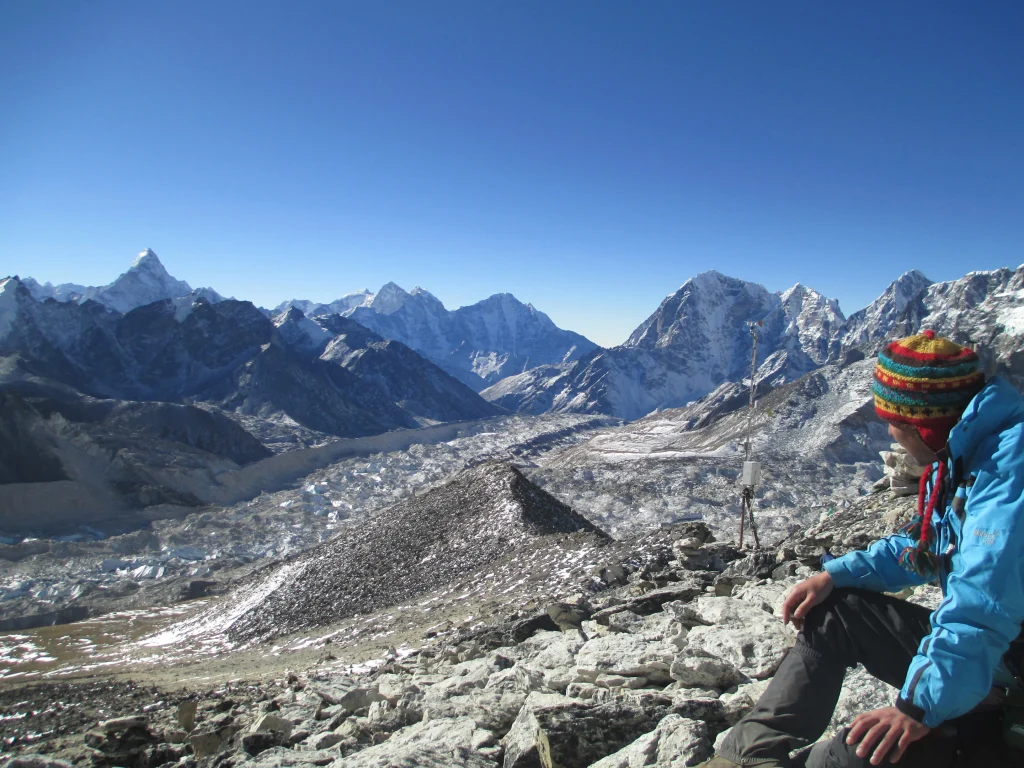
It encompasses the upper catchment of the Dudh Koshi River and includes iconic peaks like Lhotse, Cho Oyu, Ama Dablam, Nuptse, Pumori, and Thamserku.
The landscape features deep valleys carved by glacial rivers, vast moraines, turquoise glacial lakes (such as the Gokyo Lakes), rhododendron forests at lower elevations, and barren rocky terrain higher up. The famous Khumbu Glacier, a massive river of ice leads toward Everest Base Camp, offering one of the trek’s most memorable final stretches.
Altitude in the Khumbu varies dramatically. Treks typically start around Lukla at 2,860 meters and climb steadily.
Key points include:
- Namche Bazaar: ~3,440m
- Tengboche: ~3,870m
- Dingboche/Pheriche: ~4,300-4,400m
- Lobuche: ~4,940m
- Gorak Shep: ~5,165m
- Everest Base Camp: ~5,364m
- Kala Patthar viewpoint: ~5,545-5,554m (popular for sunrise views of Everest)
Acclimatization is crucial due to the risk of Acute Mountain Sickness (AMS) above 3,000 meters. Proper pacing, hydration, and rest days make all the difference.
Climate and Weather in the Khumbu Region
Climate and Weather in the Khumbu region is unpredictable but follows clear seasonal patterns. The best times for Khumbu Valley trek and most routes are spring (March to May) and autumn (September to November).
- Spring (Pre-monsoon): Clear skies after winter snow, blooming rhododendrons, and milder temperatures. Days can reach 15-20°C lower down, dropping to freezing at night higher up. Excellent for mountain views and climbing peaks like Island Peak.
- Autumn (Post-monsoon): Often considered the premier season with stable weather, crisp air, and stunning visibility. Fewer crowds than spring in some periods.
- Winter (December to February): Colder and quieter, with possible snow on trails. Suitable for experienced trekkers seeking solitude, but shorter daylight and harsher conditions apply.
- Monsoon/Summer (June to August): Heavy rain lower down, cloudy views, and slippery trails. Higher areas may be drier but still risky. Not recommended for first-timers.
Temperatures plummet at higher altitudes-nights at Gorak Shep can drop below -20°C even in peak seasons. Pack layers, quality down jackets, base layers, and waterproof gear.
Sherpa Culture and Villages in the Khumbu Region
The Khumbu is the homeland of the legendary Sherpa people, renowned for their mountaineering prowess, hospitality, and deep Buddhist traditions. Sherpas migrated from eastern Tibet around 400-500 years ago and have thrived in these high-altitude valleys through farming (potatoes, barley), yak herding, and now tourism.
Key Sherpa villages to visit:
- Namche Bazaar (3,440m): The “capital” of Khumbu, a vibrant hub with bakeries, shops, internet cafes, and a weekly market. Perfect for acclimatization and cultural immersion.
- Khumjung and Khunde (3,780-3,900m): Traditional settlements with stone houses, monasteries, and the famous Hillary School founded by Sir Edmund Hillary. Home to a yeti scalp legend.
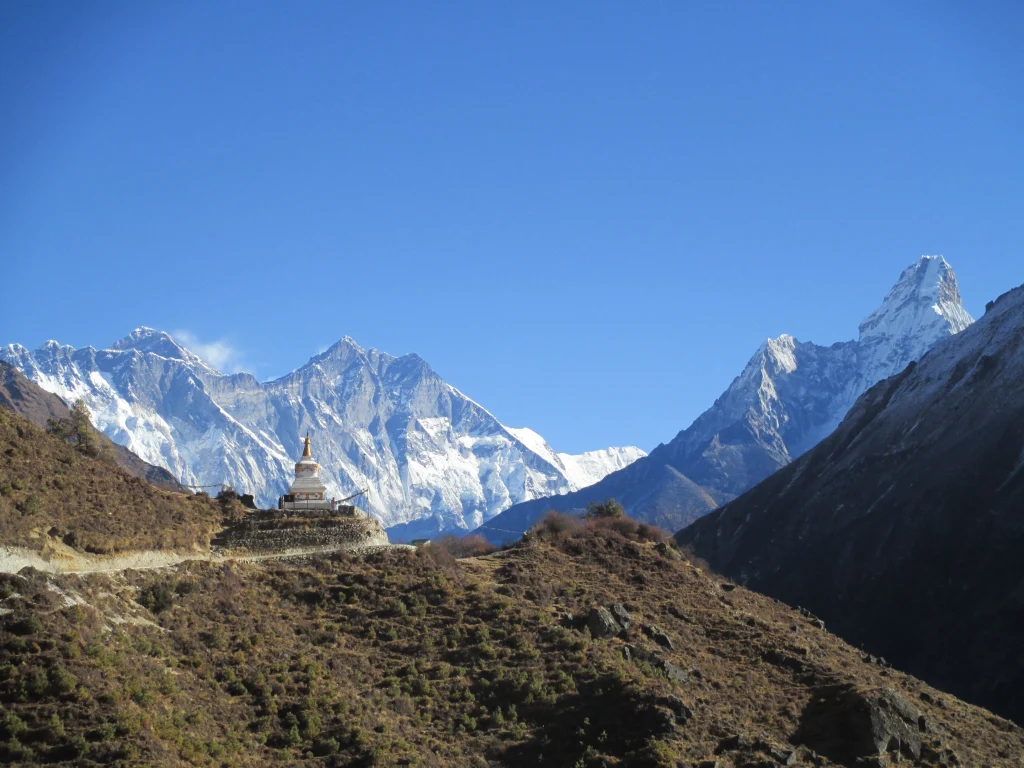
- Tengboche (3,870m): Famous for its ancient monastery with panoramic views of Ama Dablam. Attend prayer ceremonies.
- Pangboche and Dingboche: Agricultural villages offering insights into daily Sherpa life.
- Thame: More remote, on the route toward Renjo La (Route of Everest Three Passes Trek), with strong traditional culture.
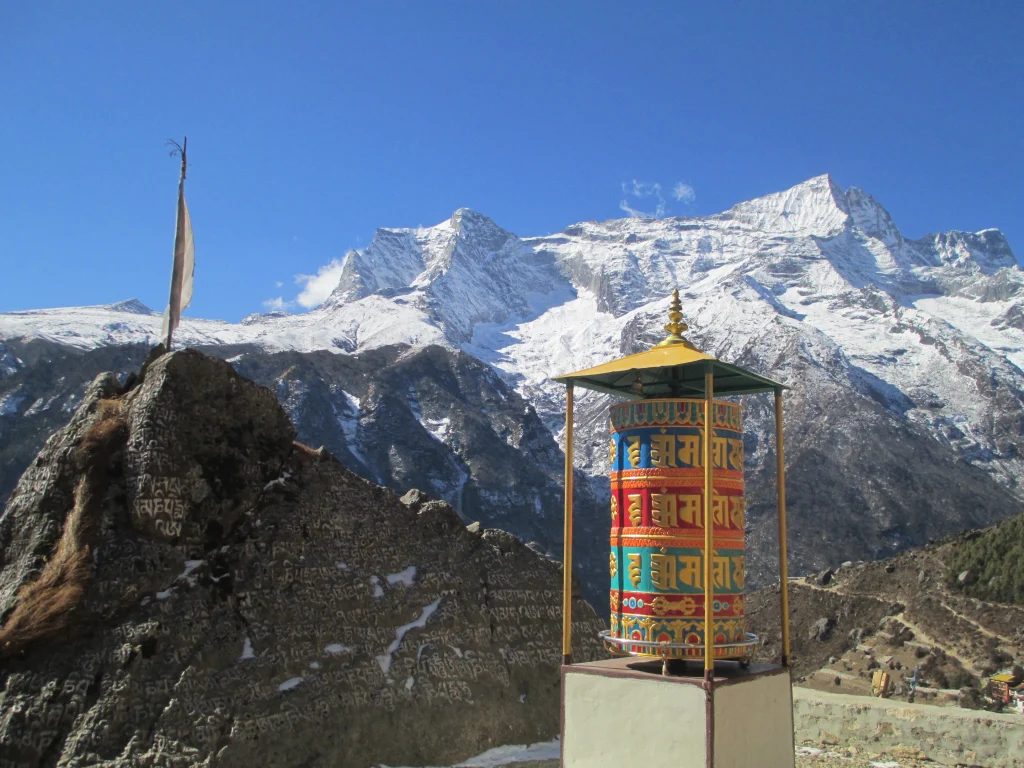
Experience mani walls, prayer flags fluttering in the wind, spinning prayer wheels, and warm hospitality in teahouses. Many lodges are family-run, providing hearty meals like dal bhat, momo, Potato Stew and apple pie,.
Best Trekking Routes in the Khumbu Valley
The Khumbu offers routes for all levels, from short treks to challenging high-pass adventures.
1. Classic Everest Base Camp Trek (Khumbu Valley Trek)
12-16 days. Lukla → Phakding → Namche → Tengboche → Dingboche → Lobuche → Gorak Shep → EBC & Kala Patthar → return. Highlights: Sherpa villages, monasteries, glacier views, and the ultimate Everest perspective from Kala Patthar.
Combines lakes, Cho La or Renjo La passes, and optional EBC extension. Stunning turquoise waters and Ngozumpa Glacier (largest in Nepal).
The ultimate challenge: Kongma La (5,535m), Cho La (5,420m), Renjo La (5,360m). 18-20 days, crossing three high passes with epic views.
4. Everest View or Short Treks
For those with less time, options around Namche or to Tengboche.
5. Peak Climbing Add-ons
Island Peak (6,189m) or Lobuche East for those seeking more adventure.
Our Everest Base Camp Trek includes experienced guides, porters, teahouse/lodge accommodation, meals, permits (Sagarmatha National Park entry and TIMS), and emergency support. We prioritize safety with proper acclimatization and oxygen where needed.
Detailed Sample Itinerary: Classic Khumbu to EBC (14-16 Days)
Day 1: Kathmandu Arrival
Arrival in Kathmandu and Hotel Check in.
Day 2: Trek Preparation and Sightseeing
Explore Kathmandu’s temples and gear checks.
Day 3: Fly to Lukla (2,860m) → Phakding (2,610m)
Scenic flight, easy trek along Dudh Koshi.
Day 4: Phakding to Namche Bazaar (3,440m)
Steep ascent, suspension bridges, enter Sagarmatha National Park.
Day 5: Acclimatization in Namche
Hike to Khumjung/Khunde or Everest View Hotel.
Day 6 : Namche to Tengboche
Monastery visits, rhododendron forests, views of Ama Dablam.
Day 7: Tengboche to Dingboche
Beautiful view of mountains with scenic trails
Day 8: Acclimatization in Dingboche
Hike to Nangkartshang or Chhukhung.
Day 9 :Dingboche to Lobuche
Reach Lobuche and feel the higher altitude.
Day 10: Lobuche to Gorakshep and EBC
Summit EBC, our destination with Gorakshep.
Day 11: Kala Patthar Hike and to Pheriche
Moraine trails, glacier crossing, sunrise at Kala Patthar.
Day 12: Pheriche to Namche
Descend to Namche Bazar
Day 13: Namche Bazar to Lukla
Descend back to Lukla
Day 14: Lukla- Kathmandu
Scenic 20 minutes flight from Lukla to Kathmandu.
Day 15: Departure
Final Departure from Tribhuvan International Airport.
Note: Variations depend on your chosen route.
Things to Do in the Khumbu Region
Beyond trekking:
- Visit ancient gompas (monasteries) and witness Buddhist rituals.
- Shop for local crafts and gear in Namche.
- Learn about Sir Edmund Hillary’s legacy and the Himalayan Trust projects.
- Spot wildlife: Himalayan tahr, musk deer, snow leopards (rare).
- Enjoy yak cheese, local cuisine, and teahouse evenings.
- Optional heli tours or shorter day hikes.
Practical Tips for Your Khumbu Trek
- Permits & Regulations: National Park entry, local fees. Guides are often recommended or required for safety and support.
- Packing: Sturdy boots, trekking poles, sleeping bag (for colder lodges), headlamp, sunscreen, purification tablets.
- Fitness: Good cardiovascular fitness required. Train with hills and stairs.
- Health: Consult doctor for altitude meds (Diamox), vaccinations. Travel insurance with high-altitude evacuation essential.
- Sustainable Tourism: Follow Leave No Trace. Support local communities. Minimize plastic use.
- Costs: Vary by group size and services. Adventure Himalaya Nepal offers competitive, value-packed options.
Why Choose Adventure Himalaya Nepal?
With years of experience operating in the Khumbu, we provide small groups, personalized service, fair porter wages, and a focus on responsible tourism.
Our team knows every trail, teahouse, and hidden viewpoint. From the thrill of standing near Everest Base Camp to quiet moments in Sherpa villages, we help you create memories of a lifetime.
The Khumbu region is more than a destination-it’s a transformative journey into nature’s grandeur and human resilience.
Ready to trek the Khumbu Valley or plan your Everest Khumbu region adventure?
Contact Adventure Himalaya Nepal today for tailored itineraries, including our Everest Base Camp support packages. Discover why this corner of Nepal captivates explorers worldwide.
This guide draws on extensive knowledge of the region to help you prepare.
Safe travels, and may your paths lead to clear views of Chomolungma!