

Annapurna Circuit Trek in Nepal – Complete Guide, Cost & Itinerary
- Nepal See on map
-
Duration 12 Nights/13 Days
-
Difficulty Challenging
-
Region ANNAPURNA REGION
-
Activity Nepal Trekking
-
Max. Altitude 5416
-
Best Season Mar-Jun, Sep-Nov
-
Start/End Point Kathmandu
-
Group Size 1-12 People
Overview
The Annapurna Circuit Trek is a highly celebrated and most diverse Himalayan trekking route. This trekking route is renowned for the dramatic ecological transitions. We will traverse the Annapurna Circuit route and encounter rich culture and world-class mountain scenery. This 13-day itinerary will loop around the majestic Annapurna massif before starting from the lush and subtropical riverbanks of the Marshyangdi River.
The trekkers will traverse the historic stone settlements. Chame, Upper Pisang, and the cliffside trails of Ghyaru village are some of the villages we will traverse. We will reach Manang village for structured high-altitude acclimatization. Along the trail, we will showcase several of the planet’s highest peaks, including Mt. Manaslu, Annapurna II, III, IV, and Dhaulagiri, alongside neighbouring peaks.
The major and crowning achievement of our Annapurna Circuit Trek is Thorong La Pass. It is one of the world’s highest trekking passes. The summit rewards hikers with sweeping sunrise views across the Tibetan plateau before we descend into the rain-shadow desert of Lower Mustang. By the end of the trek, we will visit Muktinath Temple. This sacred pilgrimage site will enrich the cultural and reverential immersion of our trek.
The return journey winds through the Kali Gandaki Gorge. We will stop by the Tatopani natural hot springs. Tatopani natural hot springs are believed to have healing properties that will help relieve our sore muscles. We will then reach Pokhara, where Phewa Lake is waiting with the shimmering turquoise waters and a reflection of Mt. Machhapuchhre.
This Annapurna Circuit Trek will be fully supported by Adventure Himalaya Nepal. With the professional assistance of our team, you will be blessed with one of the greatest trekking experiences in Nepal.
Permit Required For Annapurna Circuit Trek
| Permit Type | Price for SAARC | Price for Foreigners |
| ACAP (Annapurna Conservation Area Permit) | NPR 1,000 | NPR 3,000 |
| TIMS (Trekkers’ Information Management System) Card | NPR 1,000 | NPR 2,000 |
Note: Adventure Himalaya Nepal will obtain all the necessary permits after you arrive in Kathmandu. All the required permits are included in the package.
Annapurna Circuit Trek: Major Highlights
- Crossing the Thorong La Pass is a world-famous high-altitude mountain pass that offers panoramic and 360-degree views across the Annapurna massif, Dhaulagiri range, and the Tibetan Plateau.
- We will embark on an extreme ecological and climate transition, making our journey an extraordinary experience.
- We will enjoy up-close and unobstructed views of several of the highest peaks in the Annapurna and Manaslu region.
- We will explore Manang Village, where culture, tradition, and Buddhist religion flourish, and we will enjoy a high-altitude relaxation zone.
- We will hike to the scenic upper route of the Annapurna Conservation Area through Ghyaru and Ngawal, which rewards us with unique vistas.
- We will visit the Muktinath Temple, which is a holy sanctuary highly revered by Hindus and Buddhists all around the world.
- We will drive through the Kali Gandaki River valley, which is recognized as the world’s deepest gorge and a divide between Dhaulagiri and Annapurna massifs.
- We will get to relax along the shore of Phewa Lake upon the completion of our Annapurna Circuit Trek, which provides us with an eventful end to the trek.
Why Choose this trek?
The Annapurna Circuit Trek is one of the ultimate Himalayan adventures. This trek is defined by unmatched diversity, rich cultural reverence, and world-class scenery. This itinerary is built around a gradual acclimatization schedule, so you won’t have much risk of injuries or illness. This expertly crafted itinerary will maximize safety and high-altitude success while we guide the hikers from lush subtropical river valleys to the iconic summit crossing of Thorong La Pass.
- We will experience an unmatched ecological transition and trekking from terraced farmlands to glacial moraines to the high pass of Thorong La.
- We will benefit from a medically sound elevation profile with built-in rest in Manang. It also involves active day hikes to minimize the risks of Acute Mountain Sickness.
- We will encounter centuries-old Tibetan-Buddhist traditions in preserved stone settlements and spinning prayer wheels at cliffside Gompas.
- The teahouse facilities have improved from the past, and we will experience warm, family-like hospitality.
Travelling with Adventure Himalaya Nepal
Adventure Himalaya Nepal .will ensure your journey to Nepal is backed by exceptional service standards and local expertise. We are a premier, government-registered travel partner based in Thamel, and we specialize in providing safe and trusted services all over Nepal.
Not just trekking, we provide services such as tours, mountain flights, city guides, and many more. We handle all the demanding logistics to make your first-hand experience better and sweeter. With Adventure Himalaya Nepal, you can have a great experience visiting Nepal. Because visiting Nepal just once is not enough.
Major Attractions of Annapurna Circuit Trek
1. Thorong La Pass (5,426m)
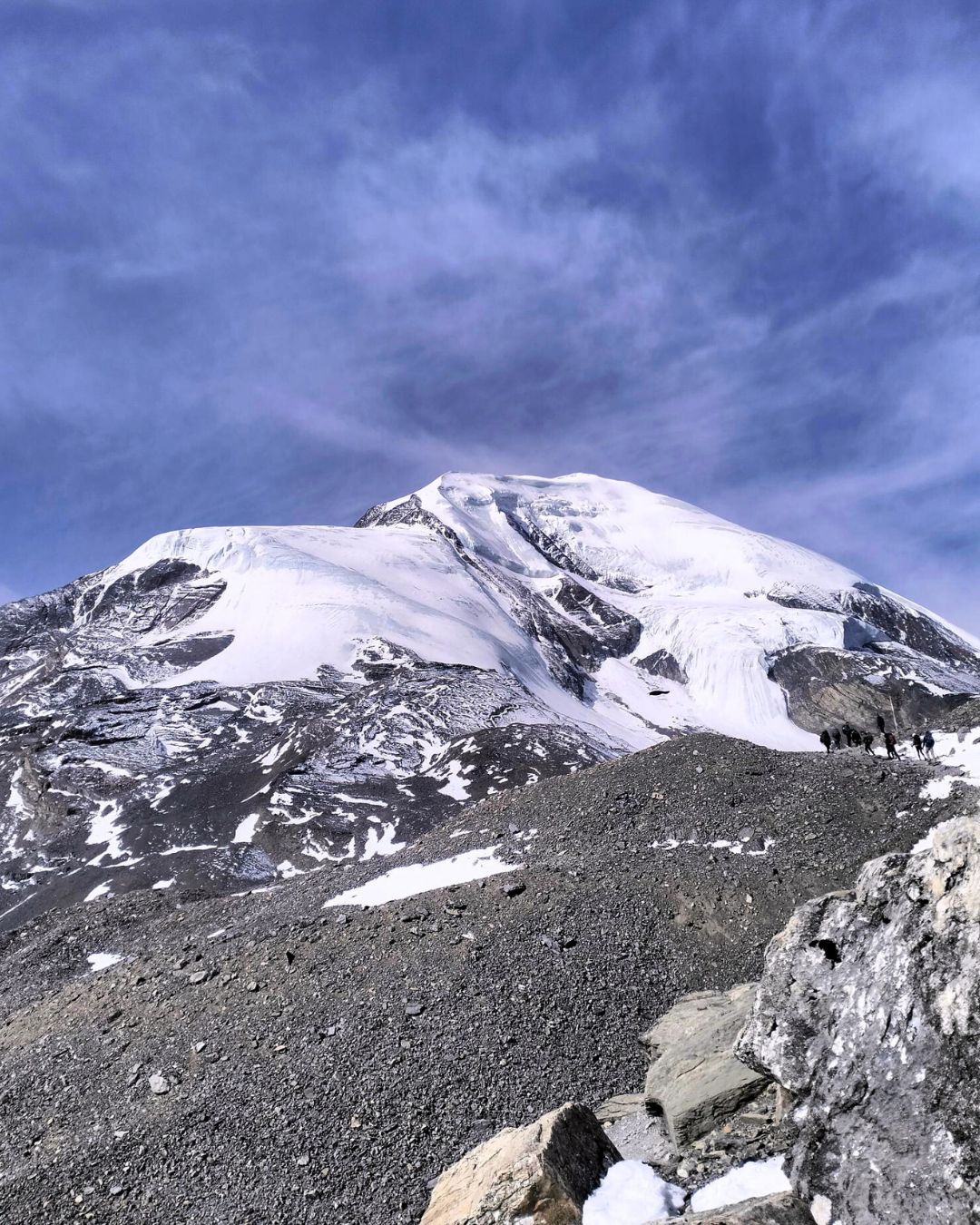
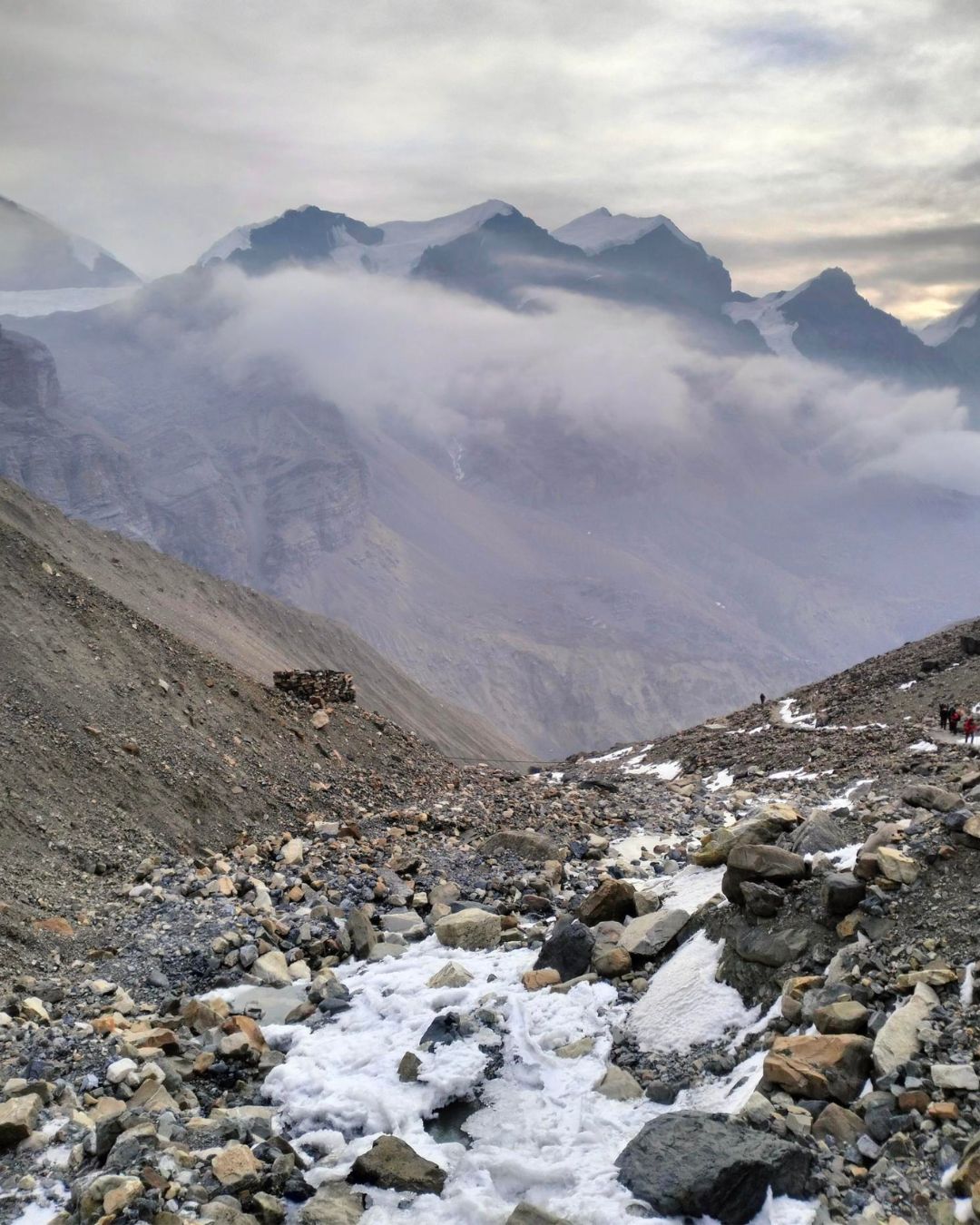
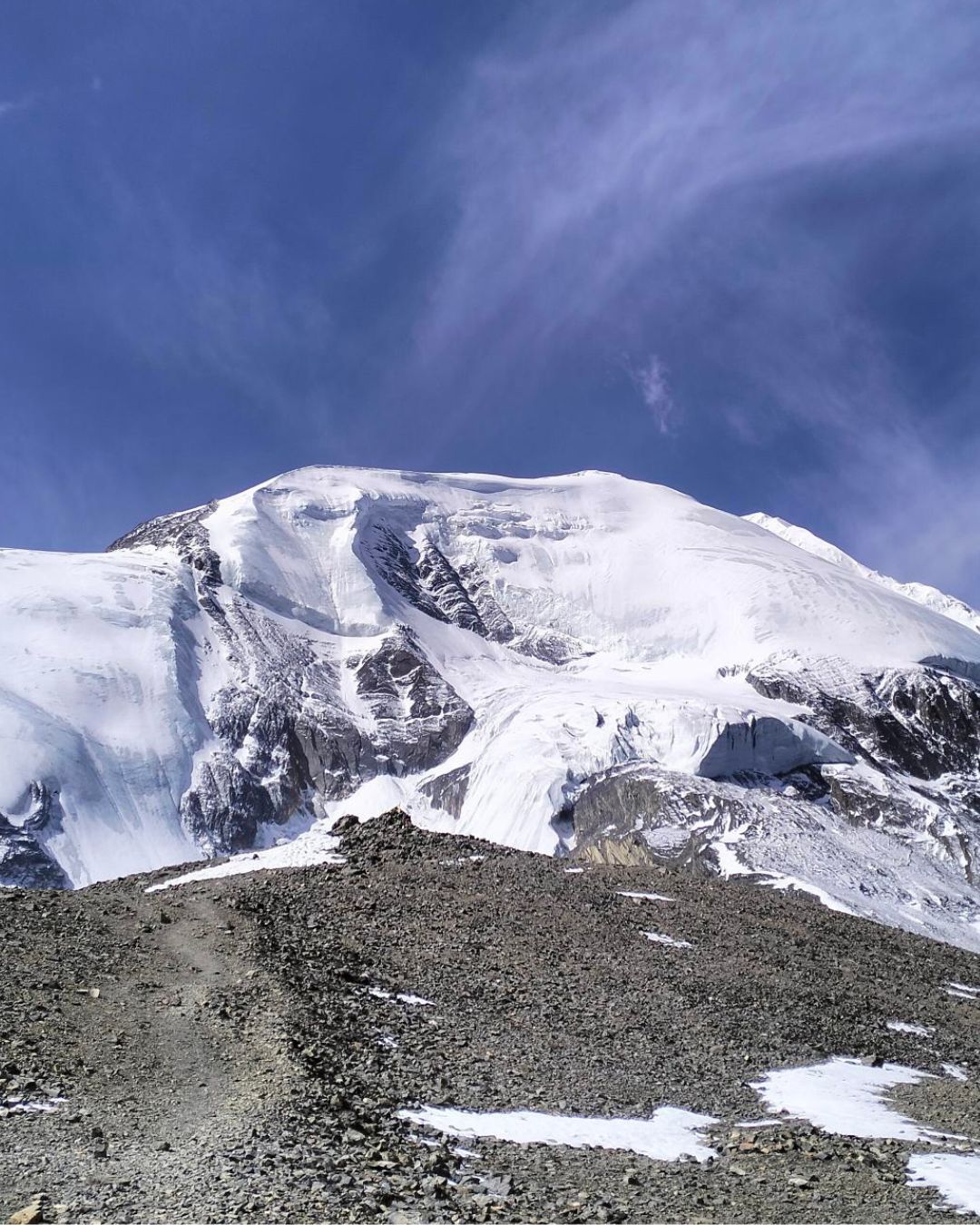
We will stand at Thorong La Pass as the ultimate physical climax of the Annapurna Circuit Trek. Thorong La Pass (5426m) is one of the highest walkable passes in the world. Reaching this destination summit at sunrise will reward us with a breathtaking 360-degree panorama of the Annapurna massif, Dhaulagiri range, and the Tibetan plateau. We will cross this iconic landmark, which requires early pre-dawn alpine starts. We will have an incredible and probably once-in-a-lifetime experience at Thorong La during our Annapurna Circuit Trek adventure.
2. Muktinath Temple (Chumig Gyatsa)
Muktinath Temple is one of the highly revered pilgrimage destinations in Nepal. This temple is sacred to both Hindus and Buddhists all over the world. This place is known as “the place of liberation”. This spiritual sanctuary features an eternal natural gas flame burning beside natural springs. 108 holy water spouts are believed to wash the sins from humans. Visiting Muktinath is a profound cultural immersion and spiritual rejuvenation following the Thorong La Pass crossing.
3. Manang Village and Gangapurna Lake
Manang Village is nestled at 3540m. Manang Village will serve as the cultural heart and primary acclimatization hub of the upper circuit. The trekkers will explore the traditional stone architecture, century-old Buddhist monasteries, and bakeries. The lovely backdrop of Annapurna III and Gangapurna will smile at us. After a short walk, we can reach Gangapurna Lake and nearby viewpoints. We can actively practice mountaineering protocols and safety adaptation before ascending to the higher alpine altitudes.
4. Cliffside Vistas of Ghyaru and Upper Pisang
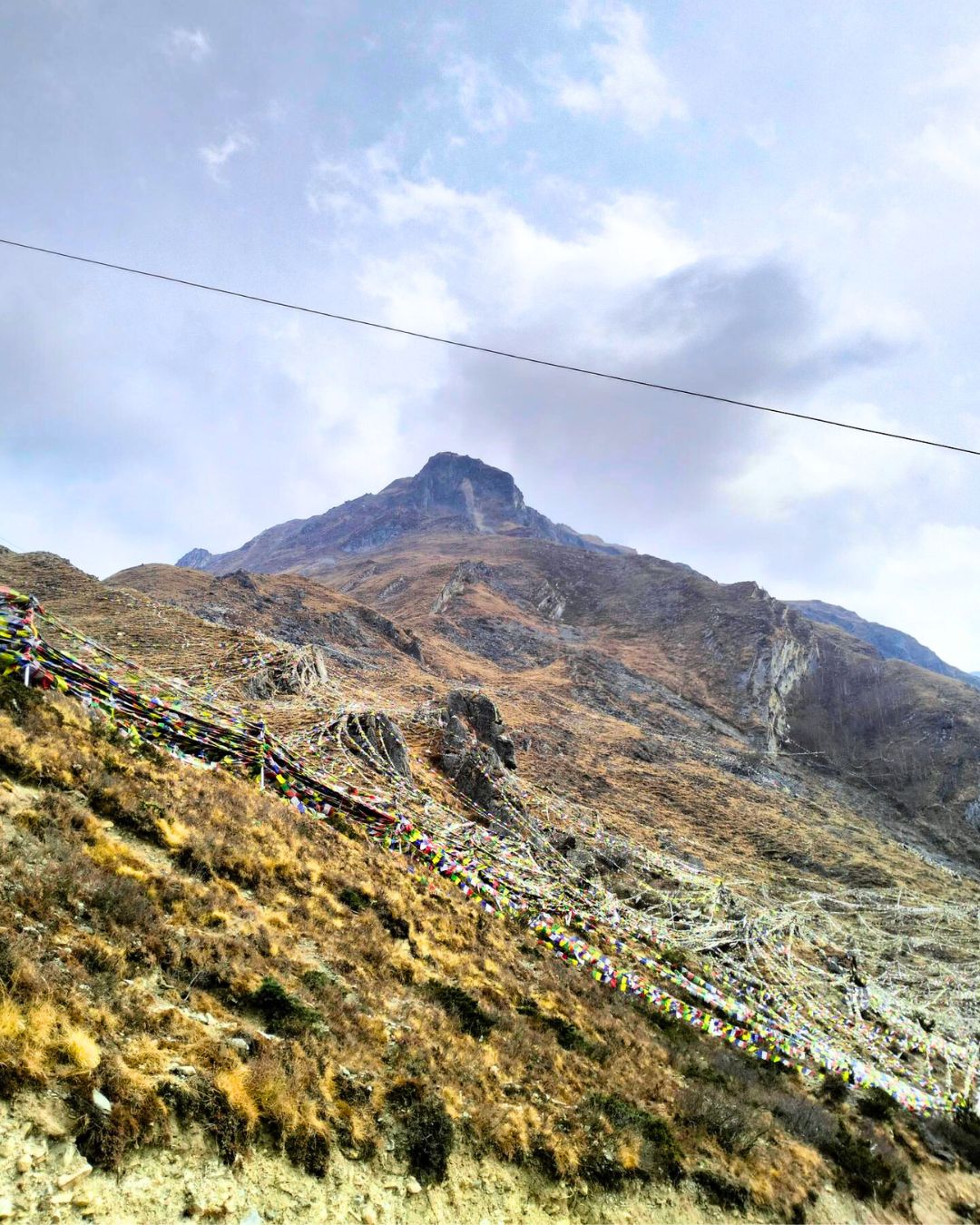
The high trail of the Annapurna Circuit Trek will help us traverse Upper Pisang, Ghyaru Village, and Ngawal. The trail will offer us the most dramatic viewpoints in the entire trans-Himalayan region. The steep ridgelines and ancient stone settlements will showcase the authentic Tibetan-Buddhist traditions and ancient stupas along with fluttering prayer flags. This elevated route will provide unobstructed and sweeping views along the wide Manang Valley and jagged northern wall of the Annapurna range.
5. Kali Gandaki Gorge and Tatopani Hot Springs
Carving a colossal divide between the 8,000-meter giants of Dhaulagiri and Annapurna I, the Kali Gandaki Gorge is renowned as the world’s deepest river canyon. Descending through this dramatic geographical feature leads to Tatopani, celebrated for its therapeutic, mineral-rich natural hot springs. Soaking in the warm waters offers the perfect natural recovery for tired muscles, marking a smooth transition from rugged alpine terrain to lush subtropical foothills.
Professional Trekking Crew Support
As your professional travel partner, Adventure Himalaya Nepal will provide you with government-certified, English-speaking licensed trekking guides and experienced mountain porters. These professionals will ensure you have a seamless Tilicho Lake trekking adventure. Your trekking guide will lead the daily logistics, navigate the trail, and handle permits and teahouse bookings. The trekking guide will also manage emergencies and share rich insights into Gurung and Magar culture along the trek.
The local porters will carry main duffel bags, leaving you with your day backpack. They typically carry up to 20-25 kg of baggage shared between two hikers. These personnel will receive fair daily wages, proper gear, meals, and lodging. In accordance with the Himalayan porter welfare standards and government regulations. All the crew members are provided with full medical and accident insurance coverage throughout the trek.
Teahouse Dining on the Annapurna Circuit
In the rural parts of the trekking routes like the Annapurna Circuit, we will dine in the dining hall of the teahouse. The teahouses are run by families who prepare the meal after the order. The meals are ordered from a standard menu in advance. We can order the food usually at check-in for dinner and the night before for breakfast so the teahouse staff can freshly prepare our designated food.
The major staple dish in Himalayan teahouses is Dal Bhat. Dal Bhat is the source of Nepali energy. In the teahouses, unlimited free refills will be available. Apart from that, menus feature Tibetan bread, momos, noodles, fried rice, eggs, porridge, and pasta. Ginger lemon tea, black cinnamon tea, and hot garlic soup are available as hot drinks. Hot drinks are believed to aid acclimatization, so we recommend taking them.
Travel Insurance
While travelling to a foreign country for multiple activities, comprehensive travel insurance that can cover emergency costs is essential. For a high-altitude trek like the Annapurna Circuit Trek, the importance of Travel insurance escalates. Annapurna Circuit Trek involves medical risks, altitude sickness risks, and sudden injuries. To get an immediate medical response, we need to call for an immediate helicopter rescue operation from Kathmandu or Pokhara. Such rescue operations can cost up to 5-8000 USD alone. Therefore, trekkers must have a special high-altitude travel insurance.
In case of severe injuries and altitude sickness, unexpected blizzards, or trail injuries, ground evacuation is practically impossible. A dedicated policy guarantees immediate emergency helicopter rescue and covers medical evacuation expenses that can wipe out hard-earned savings. We recommend that you buy travel insurance from a trusted travel insurance company.
Itinerary
Welcome to Nepal. As you arrive in Nepal via Tribhuvan International Airport in Kathmandu, you will be welcomed by our representative. They will transfer you to the hotel in Thamel. You can use this day to rest after your flight and refresh. We will conduct a trekking briefing about the upcoming trek. In the evening, you can shop for last-minute gear and explore vibrant local markets for last-minute gear. We will have dinner together in an authentic restaurant. Overnight in a hotel.
Today, we will take a day off and discover historic Kathmandu with a certified cultural guide exploring UNESCO World Heritage Sites. We will visit Swayambhunath, Pashupatinath Temple, and Boudhanath Stupa. Our operations team will finalize our essential Annapurna Conservation Area Permit(ACAP) and TIMS card. In the afternoon, you can rest and refresh before heading to the bustling streets for a taste of local Nepali food. We will start towards the Annapurna Conservation Area for the head start of the trail tomorrow.
Our Annapurna Circuit Trek begins today. We will depart early via a private 4WD coach along the Prithvi Highway. We will trace the winding Trishuli and Marsyangdi rivers. We will pass through lush terraced hillsides, rural settlements, and bustling towns along the route. From Besisahar, we will reroute to the winding, rough road towards Dharapani. We will reach Dharapani by evening, our starting point of the trek. Overnight in a teahouse.
We will begin our trekking journey today. We will walk along the riverbed of the Marshyangdi River Valley. The trail will gradually climb past the traditional stone houses in Bagarchhap and Timang. We will be offered breathtaking first Himalayan views of Mt. Manaslu and Annapurna II. We will walk along the suspension bridges and pass prayer wheels along the route to Chame. Chame is an administrative headquarters of Manang district. We will rest in a Chame teahouse.
We will trek through steep pine woodlands into an increasingly dramatic alpine landscape. We will cross the river to witness the iconic Paungda Danda rock face. Paungda Danda is a massive curved slab highly revered by the locals. The valley will open into the arid trans-Himalayan plateau, and we will choose the higher trail leading to Upper Pisang. Upper Pisang is an authentic Tibetan-Buddhist architectural village with panoramic views of Annapurna II and the neighbouring peaks. Overnight in a teahouse.
Today we will continue the scenic route via Ghyaru Village and Ngawal to maximize natural acclimatization through active elevation gain. Ghyaru offers majestic cliffside visuals that overlook the wide Manang Valley and towering peaks of Annapurna III and Gangapurna. We will walk gently past stupas, barley fields, and traditional flat-roofed settlements. We will arrive in Manang by early afternoon. Manang village is a cultural and logistical hub for trekking enthusiasts. Overnight in a teahouse.
Today, we will spend an essential acclimatization day. Today there is a proven mountaineering rule of “climb high, sleep low”. We will take an active morning hike towards Gangapurna Lake (3600m). It takes only 30 minutes to reach here. Gangapurna Lake provides aesthetic views of the Himalayas. After lunch, we can visit the nearby Himalayan Rescue Association clinic for a daily lecture session on altitude sickness prevention. Overnight in a teahouse.
We will leave Manang today through the alpine scrub and juniper meadows. We will ascend steadily above the treeline. The trail today will cross the Jarsang Khola via a wooden bridge and lead into an open, windswept wilderness. We can encounter herds of Himalayan blue sheep and golden eagles along the slopes. We will maintain a steady pace to manage oxygen levels as we reach Ledar. Ledar is a high-altitude settlement for comfortable staging before the Thorong La Pass crossing. Overnight in a teahouse.
We will enjoy a short and measured trek to allow ourselves recovery and energy conservation. We will navigate a moderate path that crosses the rugged scree slopes and a suspension bridge towards the base of the Thorong La Pass. We will arrive at Thorung Phedi or High Camp at 4850m. They are the final resting point before the colossal crossing. We will review safety plans and check microspikes and headlamps with the guide. We will rest and hydrate. Overnight in a teahouse.
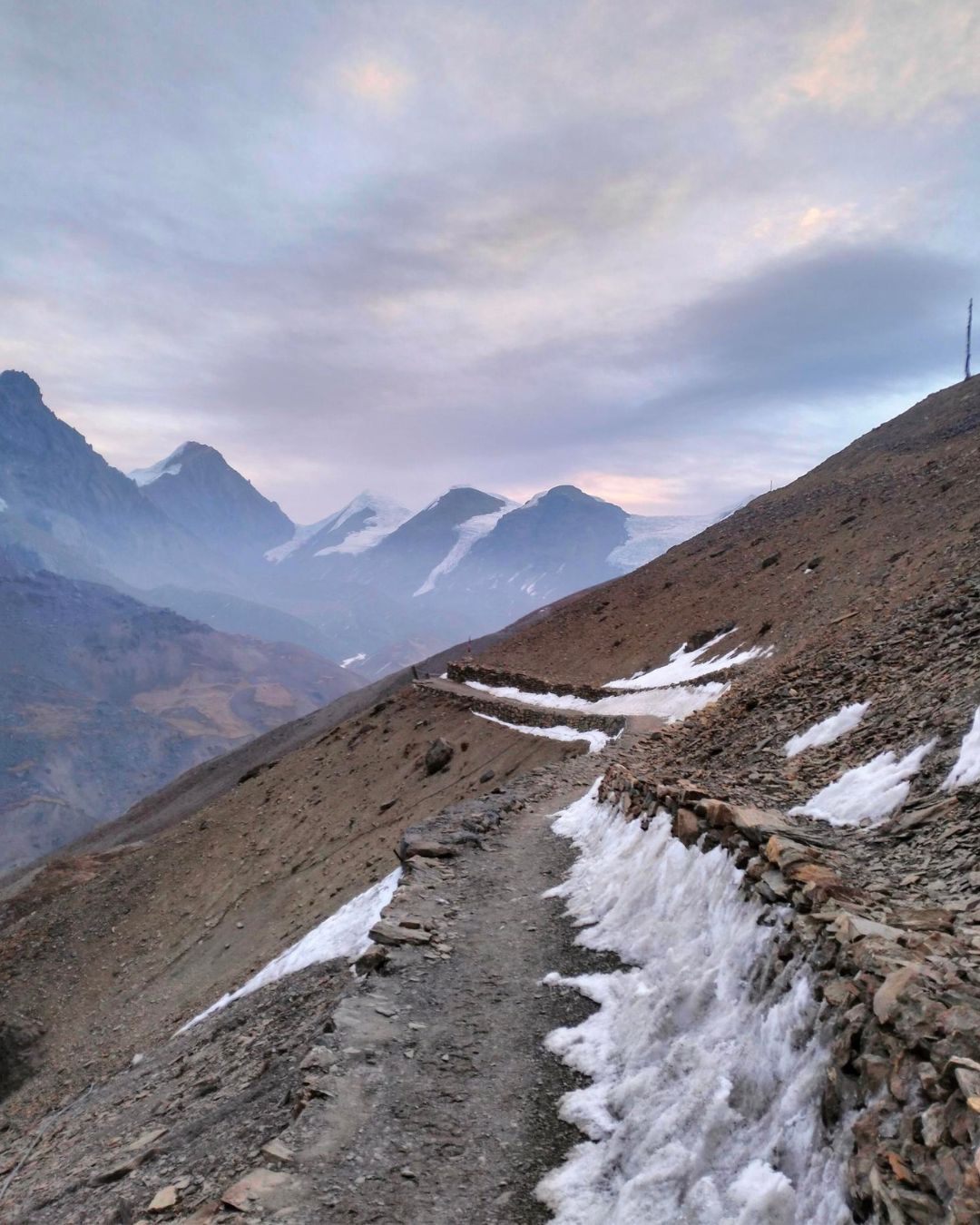
Today is one of the biggest and most important days of our Annapurna Circuit Trek. We will wake up early before dawn to conquer the Thorong La Pass. Thorong La Pass is the highest point of the Annapurna Circuit Trek at 5426m. The steep and icy ascent will reward our endurance with aesthetic sunrise visuals of the Dhaulagiri massif and some Tibetan peaks. We will celebrate the prayer-flag-strewn summit board before we celebrate the pass crossing. Later, we will trek down to Muktinath and stay in a hotel.
In the morning, we will visit the highly revered Muktinath Temple. After spending some sacred moments in Muktinath, we will board a scenic 4WD drive down to the Kali Gandaki Gorge. Kali Gandaki Gorge is the deepest river valley in the world. We will pass through Tatopani. We will take a break at Tatopani for a natural hot spring bath. Tatopani hot springs are believed to have healing properties. Pokhara by late afternoon. We will check into our hotel and enjoy the peaceful evening at Phewa Lake. Overnight in a hotel.
Today, we will enjoy a picturesque morning drive back to Kathmandu along the scenic Prithvi Highway. We will follow the Marshyangdi and Trishuli river corridors. We will marvel at the Prithvi Highway and enjoy the views of the Nepali rural landscape. There is also a direct flight available if you want to traverse the distance in 25 minutes. After your arrival in Kathmandu by late afternoon, we will check into the hotel. We will celebrate this evening with a lovely dinner. Overnight in a hotel.
Today, our memorable Himalayan trekking adventure of the Annapurna Circuit Trek concludes. You can enjoy a leisurely breakfast at a hotel, depending on the flight schedule. This will be followed by last-minute souvenir shopping in Thamel.
Our airport representative assists with the luggage. You will be transferred to Tribhuvan International Airport at least three hours before International departure. We hope you enjoyed your stay in Nepal. See you again.
Price Includes
- Airport pick-up and drop-off by private vehicle
- Guided sightseeing tour in Kathmandu Valley
- 3 nights hotel accommodation in Kathmandu with breakfast
- 2 nights hotel accommodation in Pokhara with breakfast
- Licensed English-speaking trekking guide
- Trekking permits and TIMS card
- Porter service (1 porter for 2 trekkers)
- All meals (breakfast, lunch, dinner) during trek
- Teahouse accommodation during trek
- First aid medical kit
Price Excludes
- International airfare and Nepal visa fees
- Lunch and dinner in Kathmandu and Pokhara (except breakfast)
- Personal expenses (laundry, drinks, Wi-Fi, charging, etc.)
- Entrance fees at temples and monasteries during sightseeing
- Travel and rescue insurance
- Extra accommodation due to early arrival or late departure
- Tips for guide and porters
Dates & Prices
| From | To | Price | Availability | Book | Inquiry |
|---|---|---|---|---|---|
| 1,450 1,399 Save 51 | Available | Book Now – 15 September 2026 | |||
| 1,450 1,399 Save 51 | Limited 6 spaces left | Book Now – 25 October 2026 | |||
| 1,450 1,399 Save 51 | Guaranteed | Book Now – 9 November 2026 | |||
| 1,450 1,399 Save 51 | Guaranteed | Book Now – 25 November 2026 | |||
| 1,450 1,399 Save 51 | Limited 6 spaces left | Book Now – 11 December 2026 | |||
| 1,450 1,399 Save 51 | Guaranteed | Book Now – 3 October 2027 |
Group discounts
The bigger your group, the lower the price per person. Your rate is applied to the departure you pick, automatically at checkout.
- 2 people USD 1,050 / person
- 3 - 6 people USD 1,000 / person
- 6 - 12 people USD 980 / person
Are you looking to customize the trip itinerary?
If the provided schedule is not suitable for you, we can create a personalized travel arrangement tailored to your preferences and requirements.
Altitude
Essential Information
Best Time for the Annapurna Circuit Trek
Spring Season (March to May)
Spring is one of the most beautiful and rewarding times for the Annapurna Circuit Trek. This season is widely characterized by mild temperatures and stable alpine weather. The longer daylight hours also provide more time to sightsee and walk along the trail. The winter snow melts, and the lower trekking trails burst into the vibrant colours of blooming rhododendrons. The lush subtropical landscape along the Marsyangdi River will promote delightful events and conditions for trekking. Average daytime temperatures in this region are often 15-20 degrees Celsius in the lowlands and typically above freezing in the higher regions. Weather conditions near Thorong La Pass and Thorong Phedi remain cold yet manageable. The exceptional morning visibility of snow-capped giants like Annapurna II and Gangapurna makes this a prime window for clear trail navigation and Himalayan photography.
Autumn Season (September to November)
Autumn is one of the most beautiful trekking seasons in Nepal. This is a highly celebrated season for the clearest skies and most reliable weather patterns of the year. This season, which follows the monsoon clearance, the atmosphere scrubbed clean of dust, offers a razor-sharp panorama of the entire Annapurna and Dhaulagiri ranges. The chances of precipitation will be very low after the clearance of the monsoon around Sep 15. The daytime temperatures will be moderate, 15-18 degrees Celsius. The mornings and evenings will be crisp, but with sheer visibility, they will be rewarding. Autumn celebrates the major Nepali festivals Dashain and Tihar, so we will have deep cultural immersion in teahouses and settlements.
Difficulties of the Annapurna Circuit Trek
The Annapurna Circuit Trek represents notable physical challenges. The major challenges are driven by rapid elevation gain that culminates at Thorong La Pass, where reduced oxygen levels increase the risk of Acute Mountain sickness. The trekkers face 8 to 9 hours of hiking per day, which can be tiring for some trekkers. In the sub-zero morning temperatures, walking on a rugged landscape will not be easy. Sudden Himalayan changes and rugged off-road transportation are other major challenges.
Preventive Measures against difficulties
- We will follow the proven mountaineering rule of climb high, sleep low, and utilize the designated rest day in Manang.
- Trekkers have to drink 3 to 4 liters of clean water daily and consume electrolyte-rich fluids and hearty carbohydrate meals.
- We may have to carry Diamox under medical consultation to assist acclimatization, and the guide will check pulse and oxygen levels.
- One must equip themselves with essential high-altitude gear like a four-season sleeping bag, thermal base layers, and reliable shoes and trekking poles.
- Securing comprehensive travel insurance is always a wise option to protect hard-earned savings in case of emergency.
FAQs
The Annapurna Circuit Trek is categorized as a moderately challenging high-altitude trek. It requires no technical mountaineering skills, but demands strong cardiovascular endurance, leg strength, and mental stamina to handle 5 to 8 hours of daily walking across rugged, rocky terrain and steep elevation changes.
The highest elevation we will reach on the Annapurna Circuit Trek is Thorong La Pass at 5426m. The crossing will connect us to the Lower Mustang district with Manang Valley. The pass crossing day (day 10) will require an early pre-dawn alpine start to navigate safely before mountain winds develop.
Trekkers require two major government permits. The Annapurna Conservation Area Permit (ACAP) and the Trekkers' Information Management System (TIMS) Card. Both permits must be obtained in Kathmandu or Pokhara before entering the Annapurna Conservation Zone. As your travel partner, Altitude Himalaya Nepal will obtain these permits on your behalf.
The best trekking windows are Autumn (September to November) and Spring (March to May). Autumn provides the clearest blue skies, razor-sharp Himalayan mountain visibility, and stable weather. Spring brings warmer days, longer sunlight hours, and vibrant blooming rhododendron forests across the lower valleys.
Preventing altitude sickness or Acute Mountain Sickness will require you to ascend gradually and take a mandatory acclimatization day in Manang. Staying hydrated by drinking a lot of fluids and 3-4 liters of water daily is a wise decision. In case of severe symptoms, immediate descent and taking Diamox with a doctor’s prescription is another option.
Foreign trekkers are obliged to be accompanied by a trekking guide from a registered trekking agency while embarking on high-altitude treks like the Annapurna Circuit Trek. Beyond regulatory mandates, it is always a better and safer option to travel with a registered guide. The guides will help you with route navigation, teahouse reservations, and daily pulse and oxygen checkups.
Accommodations consist of locally run mountain teahouses. The teahouses feature twin-bed rooms with foam mattresses and pillows and basic blankets. Bathrooms will be shared. As we ascend higher, the teahouse facilities will become basic. A four-season sleeping bag rated to -10 to-15 degree celsius is a necessity.
Teahouses will offer healthy, hearty, and tasty food served freshly in the teahouses. The most popular lunch and dinner item is traditional Dal Bhat, which comes with free refills. Other standard options will include fried rice, chow mein, porridge, eggs, and hot garlic soup.
Trekkers should never drink untreated tap water and river water. To avoid single-use plastic waste, trekkers must carry reusable water bottles or hydration bladders. Treating water with water purification tablets and chlorine is always a safer option. Teahouses also sell boiled and filtered water for a small fee or free.
Lower villages feature standard wall outlets, but higher teahouses (above Chame) rely on solar energy. Lodges frequently charge a small fee ($1 to $4 USD) to charge phones, cameras, and power banks in the communal dining hall. Wi-Fi is available in most villages for a fee or free, but connection speeds become slow and intermittent at higher elevations.
The local Nepali SIM cards (NTC and Ncell) provide cellular coverage and 4G data in many lower routes up to Manang. However, coverage will be patchy and completely absent in some remote sections. The local teahouses will provide Wi-Fi service in the dining area. As we trek past Manang, the network coverage also stops working. You must prepare for digital nomad for a few days.
Standard travel insurance policies do not cover extreme alpine activities. You must purchase specialized high-altitude travel insurance that explicitly covers trekking up to 6,000 meters, emergency medical treatment, and helicopter search and evacuation.
The major packing essentials for the Annapurna Circuit Trek include a moisture-wicking base layer, insulating fleece, a down jacket, and an outer shell. Broken-in waterproof trekking boots and trekking poles are important essentials for the successful completion of the Annapurna Circuit trek.
The maximum limit for the porter to carry the baggage is about 25 kg. One porter typically carries the load for two trekkers. You will carry your lightweight daypack while porters will help you carry your big baggage. The porters are well-paid under the rules and insured by the trekking company.
There are some ATMs in Besisahar and Jomsom. There is also an ATM in Manang but it is often offline or out of cash. Trekkers should withdraw sufficient Nepali Rupees from Kathmandu or Pokhara before the departure for the trek. You should allocate around 40-50,000 NPR(300-400 USD) for the entire trek for your personal expenses and tipping.




