Tucked away in the northern reaches of Gorkha District in Nepal, Tsum Valley stands as one of the most enchanting and least-visited corners of the Himalayas. Also known as the Hidden Valley of Happiness or Kyimolung (in Tibetan Buddhist tradition, meaning a “hidden valley of bliss” or place of peace), this sacred beyul (hidden land) was prophesied by Guru Rinpoche (Padmasambhava) in the 8th century as a sanctuary for spiritual seekers during times of turmoil.
Far from the bustling trails of Everest or Annapurna, Tsum Valley offers a rare glimpse into an almost timeless world of Tibetan-Buddhist culture, dramatic landscapes, ancient monasteries, and incredibly warm-hearted people. Opened to tourism only around 2008-2009, it retains an authentic, untouched charm that earns its reputation as a place where happiness flows naturally from simplicity, spirituality, and connection to nature.
The Legend and History Behind the Name
The title “Hidden Valley of Happiness” originates from ancient Tibetan Buddhist scriptures. Guru Rinpoche described several beyuls-hidden valleys protected by deities and revealed only to the worthy-as refuges preserving dharma (Buddhist teachings). Tsum Valley, referred to as Kyimolung, embodies this ideal: a peaceful haven shielded by high mountains, where inhabitants live in harmony with nature and faith.
Historically, Tsum (meaning “vivid” or derived from “Tsombo” in local dialect) served as part of ancient trans-Himalayan trade routes, exchanging salt, wool, and herbs with Tibet. It remained largely isolated due to its remote location near the Tibetan border, west of Ganesh Himal and east of Buddha Himal.
The Buddhist saint Milarepa meditated in caves here during the 11th century, adding to its spiritual aura. Today, the valley houses over 200 monks and nuns across various gompas, maintaining a living tradition of Tibetan Buddhism. This deep spiritual foundation contributes profoundly to the pervasive sense of peace and contentment.
Pristine Landscapes That Inspire Joy
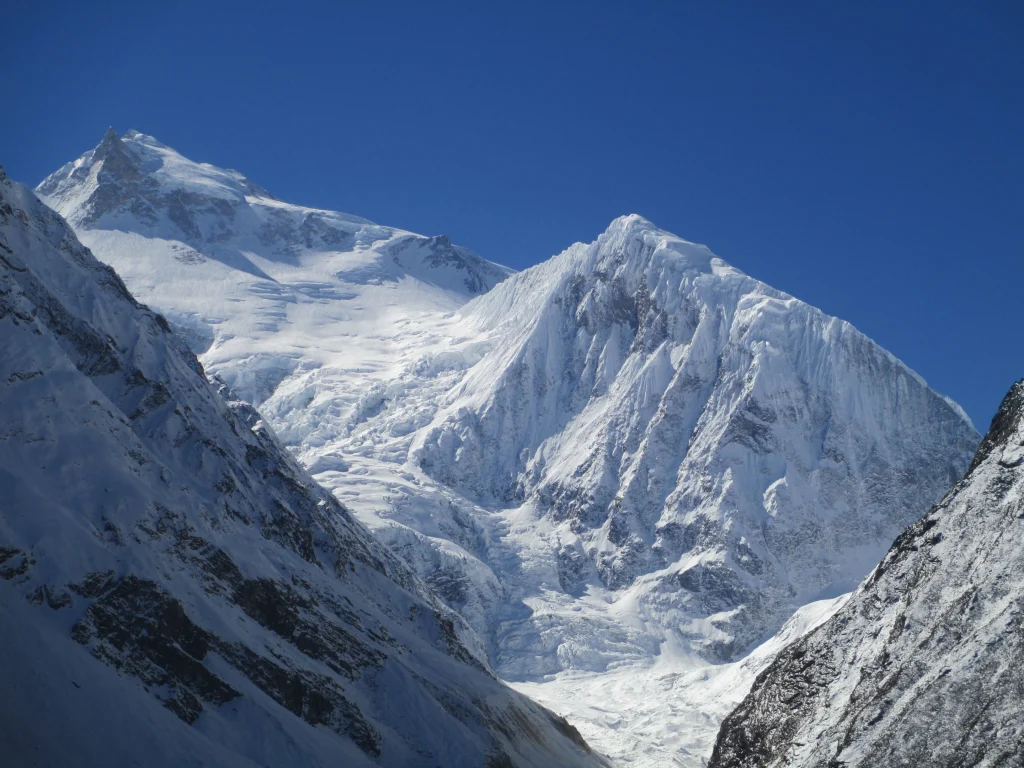
One of the first reasons visitors call Tsum Valley the Hidden Valley of Happiness is its breathtaking yet serene natural beauty. The valley stretches along the Budhi Gandaki River’s upper reaches, flanked by snow-capped peaks like Ganesh Himal (7,422m), Himalchuli(Himchuli), and views toward Manaslu.
Trekkers walk through lush rhododendron forests (bursting in crimson, pink, and white during spring), pine and juniper woodlands, and alpine meadows dotted with wildflowers. Crystal-clear streams, mani walls (stone slabs carved with “Om Mani Padme Hum”), colorful prayer flags fluttering in the breeze, and occasional sightings of blue sheep or Himalayan tahr create a meditative atmosphere.
The air feels purer, the silence deeper-broken only by birdsong, rushing water, or distant cowbells. In autumn, golden barley fields contrast against white peaks under crisp blue skies. This unspoiled environment fosters a profound sense of well-being and reconnection with nature, far from urban noise and stress.
Rich Tsumba Culture and Warm Hospitality
The local Tsumba people (of Tibetan origin) practice a unique blend of Tibetan Buddhism with ancient Bon traditions. Their lifestyle revolves around small-scale farming (barley, potatoes, buckwheat), yak and sheep herding, and trade.
Villages like Chumling (Lower Tsum), Chhekampar (Upper Tsum), Nile, and Rachen showcase traditional flat-roofed stone houses with wooden balconies, prayer rooms, and colorful prayer wheels. Women spin wool by hand, weave intricate textiles, and wear traditional chuba dresses with vibrant aprons and turquoise jewelry. Men often wear simple robes or practical trekking-style attire adapted for mountain life.
Hospitality defines the Tsumba spirit. Guests receive bottomless cups of butter tea (suja), homemade raksi (local millet or barley alcohol), and hearty meals with genuine smiles.
Children wave excitedly, elders offer blessings, and families invite trekkers into kitchens warmed by wood fires. This unreserved kindness creates an immediate feeling of belonging and joy.
Daily life details reveal contentment: communal work in fields, evening storytelling around the fire, children studying in monastery schools, and festivals that bring the entire valley together. Despite hardships like harsh winters and limited modern facilities, the emphasis on community, faith, and simplicity cultivates genuine happiness.
Sacred Monasteries and Spiritual Sites of Tsum Valley
Tsum Valley brims with spiritual landmarks that deepen its peaceful aura:
- Mu Gompa: The largest and highest monastery, perched dramatically with panoramic views. Home to monks, it features ancient thangkas (scroll paintings), statues of Buddha and deities, and a serene meditation hall.
- Rachen Gompa: A major nunnery (one of the largest in the region), known for its community of nuns dedicated to study and prayer. Its location offers stunning valley vistas.
- Milarepa’s Cave: A sacred site where the great yogi meditated. Pilgrims visit for blessings and reflection.
- Other gems include Dephyo Dhum, Gurwa, Panago, and numerous chortens and mani walls lining the trails.
The constant presence of prayer flags, spinning wheels, and chanting creates a palpable spiritual energy. Many trekkers report feeling lighter, more mindful, and happier after time spent here—hence the “Happiness” moniker.
Tsum Valley Trekking Guide
Why visit Tsum Valley?
It offers cultural immersion, spiritual renewal, and adventure without the crowds of more famous routes. It pairs beautifully with the Manaslu Circuit for a longer, more rewarding journey.
Typical Itinerary (approx. 10-21 days depending on combination):
- Days 1-3: Drive from Kathmandu to Machha Khola, then trek through Budhi Gandaki gorge to enter Tsum side trails.
- Mid-trek: Reach Chumling (lower valley), then Chhekampar (chhokang paro). Side trips to monasteries.
- Upper Valley: Hike to Nile and Mu Gompa (extra day recommended for acclimatization and exploration).
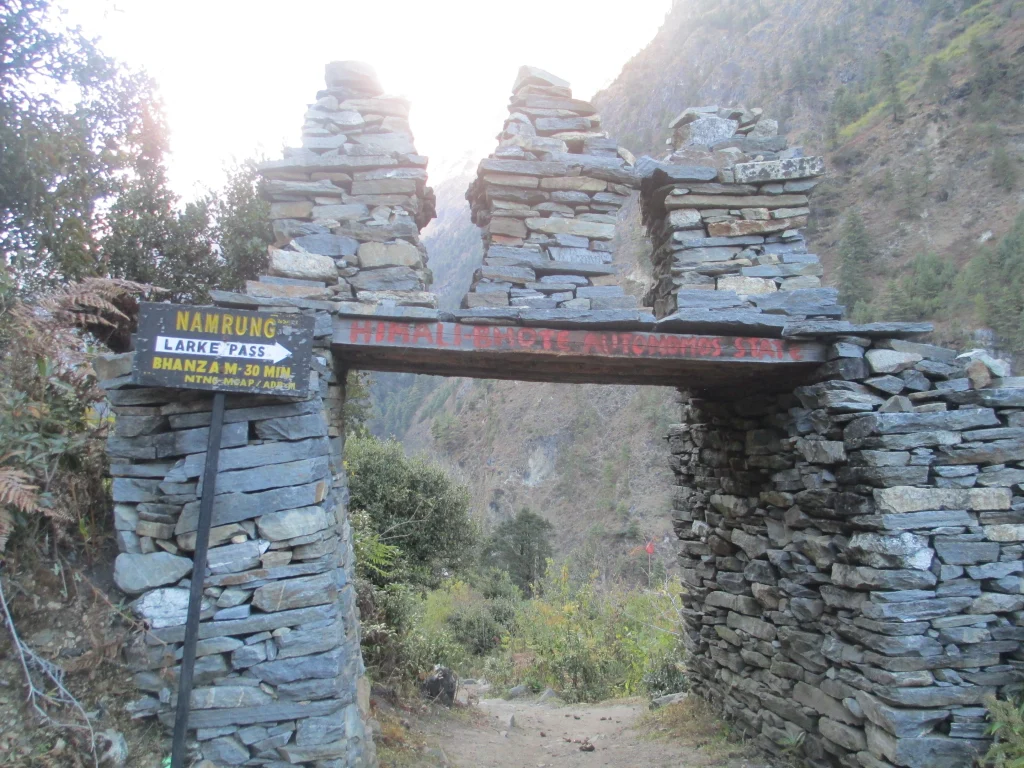
- Return or Combine: Retrace or link to Manaslu Circuit via Larke La Pass (5,160m).
Best Seasons:
- Spring (March-May) for rhododendrons and clear views;
- Autumn (September-November) for stable weather and festivals.
- Winters are cold and snowy;
- Monsoons bring rain and leeches.
Permits and Logistics for Tsum Valley Trekking:
Restricted area permit (RAP) required,
plus Manaslu Conservation Area Permit (MCAP).
Trek with a licensed guide and porter for safety and support.
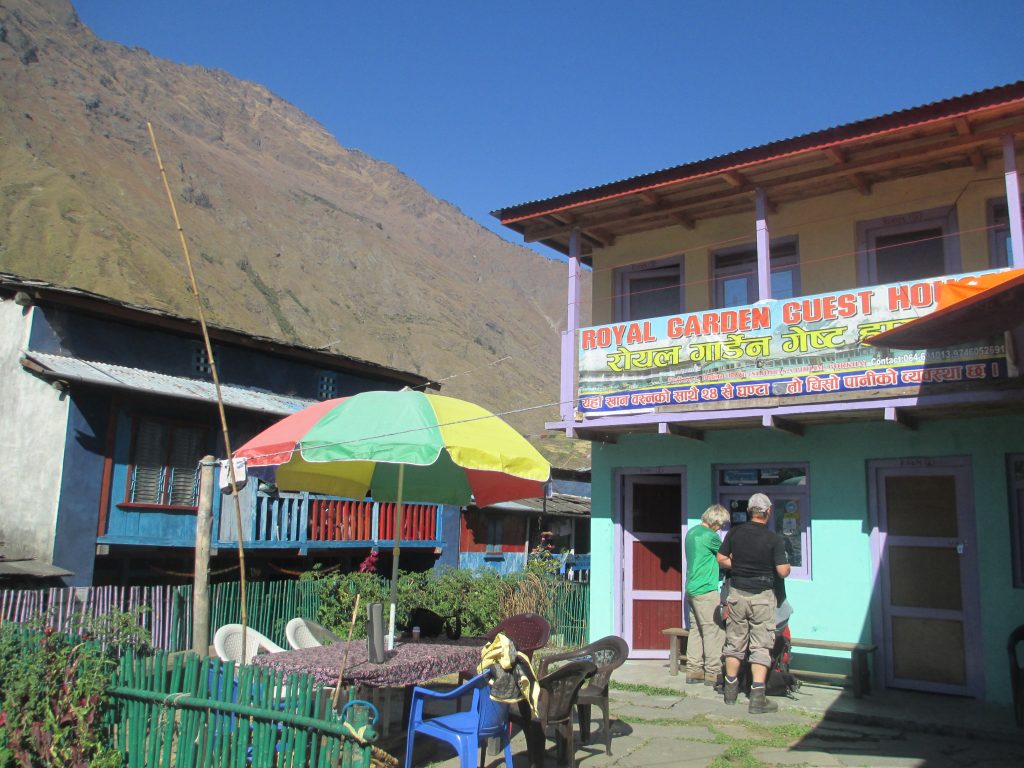
Teahouses offer basic but clean accommodation-twin beds, shared facilities, and hearty meals. Expect simple menus: dal bhat, Tibetan bread, momo, noodle soups, potatoes, and limited fresh vegetables higher up. Carry snacks and enjoy local specialties like thukpa or yak cheese.
Little Things to Savor:
- Watching locals thresh barley by hand.
- Hearing monks’ horns and cymbals at dawn.
- Sipping butter tea while chatting with a nun.
- Lighting butter lamps in a gompa.
- The satisfying crunch of frost underfoot on early mornings.
- Spontaneous laughter during a village festival.
Fitness and Preparation: Moderate to strenuous. Acclimatize properly; altitudes reach around 3,500-4,000m in the valley (higher on side trips). Pack layers, good boots, rain gear, headlamp, and respect local customs (no meat in some areas near monasteries, modest dress).
Festivals and Celebrations of Joy
Tsum Valley comes alive during Lhosar (Tibetan New Year) with masked dances, feasts, and prayers. Other events include monastery festivals with cham (masked) dances, colorful processions, and communal feasts. These celebrations reinforce community bonds and shared happiness.
Challenges and Preservation
Life here involves tough realities: limited healthcare, education access, and seasonal isolation. Climate change affects glaciers and agriculture. Community-based tourism helps provide income while encouraging preservation of traditions and environment. Responsible travel-supporting local lodges, minimizing waste, and respecting customs-ensures this “Hidden Valley” remains happy and sustainable.
Why Tsum Valley Feels Like True Happiness
In Tsum Valley, happiness isn’t loud or material-it’s the quiet contentment of a prayer wheel turning in the wind, a child’s uninhibited laugh, the warmth of butter tea shared with strangers-turned-friends, and the awe of standing beneath towering peaks that have watched centuries of faithful lives.
It reminds us that joy comes from living simply, connecting deeply with nature and spirit, and treating others with kindness. In a fast-paced world, this Hidden Valley of Happiness offers a powerful reset-a place where the soul feels nourished and the heart lighter.
Whether you seek spiritual awakening, cultural discovery, or off-the-beaten-path adventure, Tsum Valley trekking delivers an experience that lingers long after you return home. As one trekker noted, the valley doesn’t just show you beauty; it makes you feel it within.
Ready to uncover your own happiness in the Himalayas?
Adventure Himalaya Nepal crafts personalized Tsum Valley and Manaslu journeys with expert local guides who know every trail, story, and welcoming home. Contact us to start planning your transformative trek today.