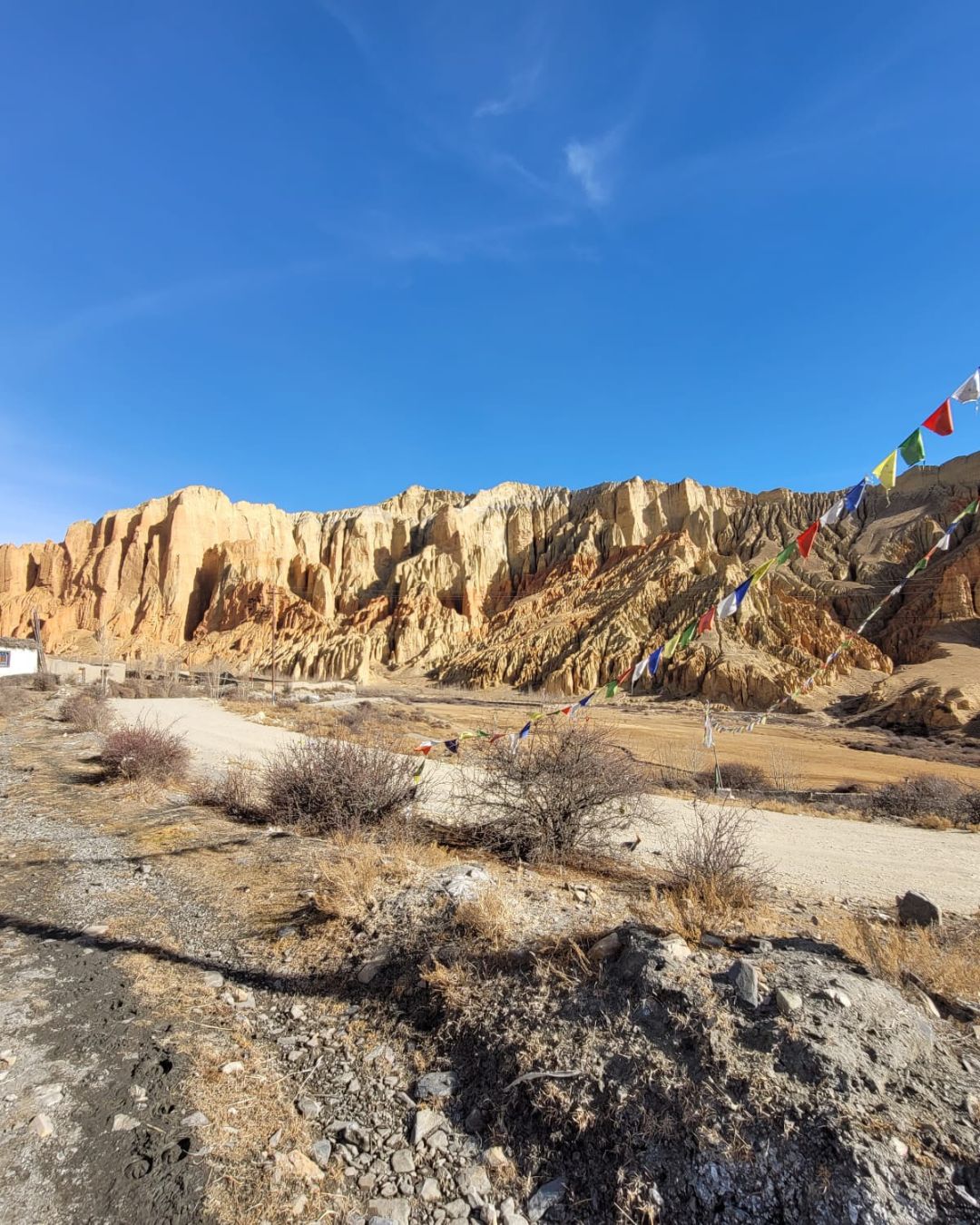

Upper Mustang Trek: 16-Day Journey to the Forbidden Kingdom
- Nepal See on map
-
Duration 15 Nights/16 Days
-
Difficulty Moderate
-
Region Mustang Region
-
Activity Nepal Trekking
-
Max. Altitude 4200mtr
-
Best Season March- May, September- November
-
Start/End Point Kathmandu
-
Group Size 3-10 people
Trek Overview: The Last Forbidden Kingdom
The Upper Mustang operates under strict permits, making this a rare, exclusive journey into Nepal’s preserved forbidden kingdom.
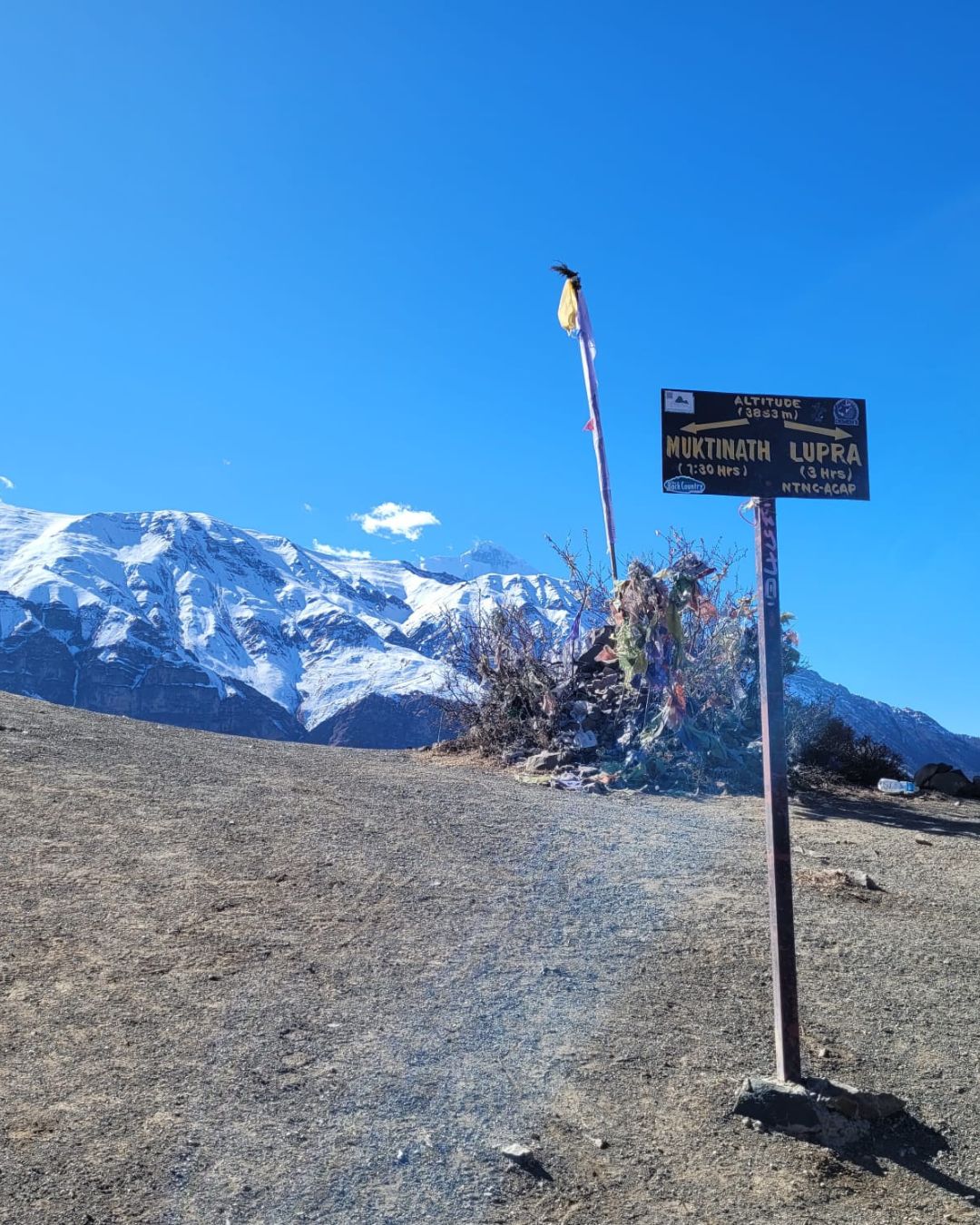
The Upper Mustang operates under the strict Restricted Area Permit system. Foreign travelers must travel with a government-licensed Nepali trekking guide from the registered trekking agency in Nepal. We will begin our journey from the windswept trails of Kagbeni. Our route will trace the historic mountain passes like Nyi La (4010) and Chogo La(4230m). Upper Mustang lies behind the Himalayan rain shadow; as a result, this trekking route is often open and active in three distinct seasons, from spring to Autumn. We will enjoy optimal trekking conditions during the monsoon months, when other parts of Nepal experience heavy rainfall.
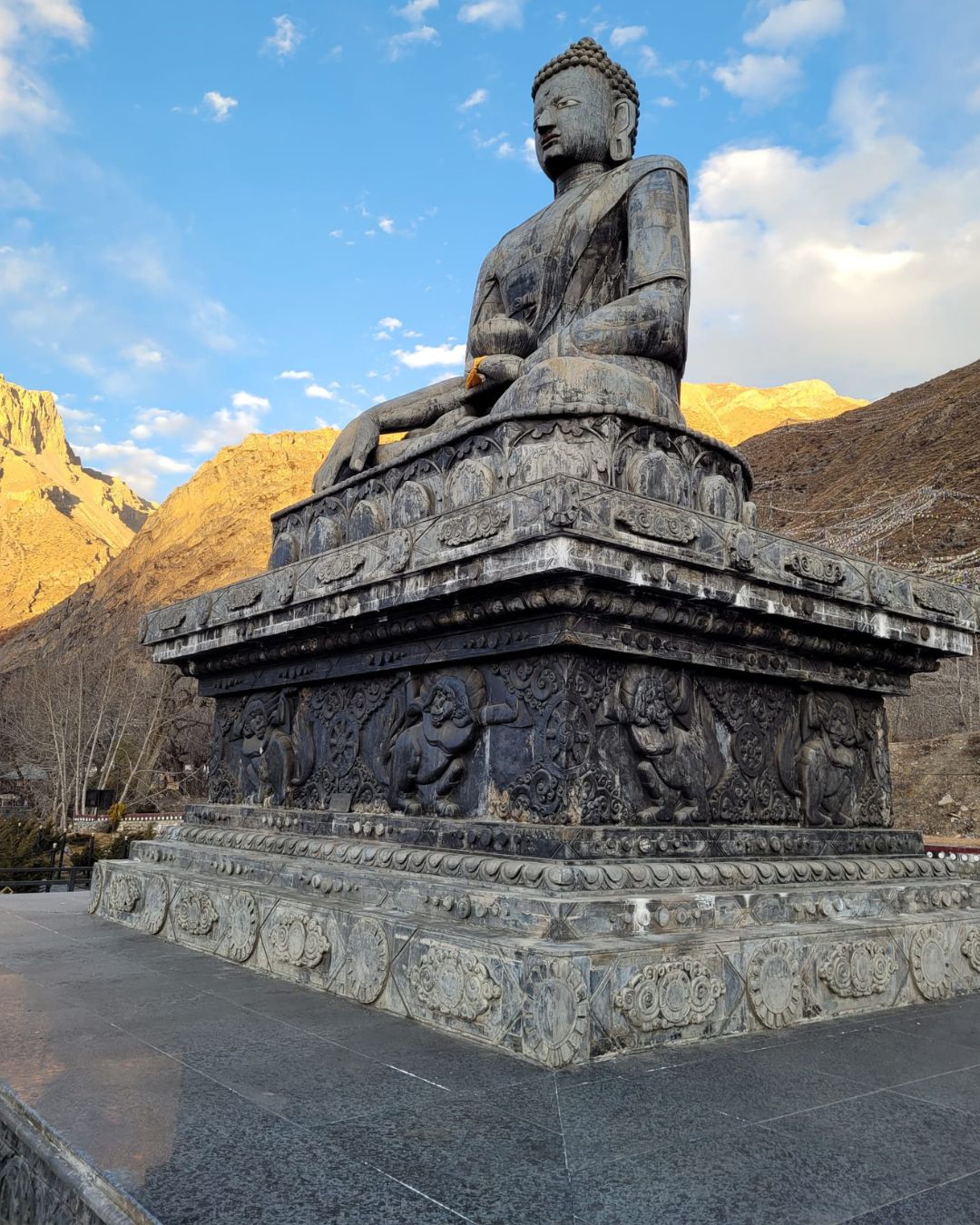
The trail’s major destination and ultimate attraction is Lo Manthang. Lo Manthang (3840m) is a historic 14th-century walled city that serves as the seat of the Mustang monarchy. Trekkers will get to discover intact Loba culture and explore the ancient caves like Jhongs Cave. We will visit the monasteries like Jampa Lhakhang and Ghar Gompa while we get a deep cultural immersion.
With the professional, seamless support and guidance of Adventure Himalaya Nepal, your Upper Mustang Trek will be one of the most iconic, once-in-a-lifetime experiences.
Why Trek Upper Mustang? Top 10 Highlights
- Discover the cultural richness of the historic Upper Mustang Capital and the Forbidden Kingdom, home to a 14th-century king’s palace, highlighting its significance.
- The priceless religious art, thangkas, and gold-leaf manuscripts inside the gompas are among the oldest active inscriptions.
- We will marvel at the prehistoric cliffside cave systems such as Jhongs Cave of Chhoser and Mustang.
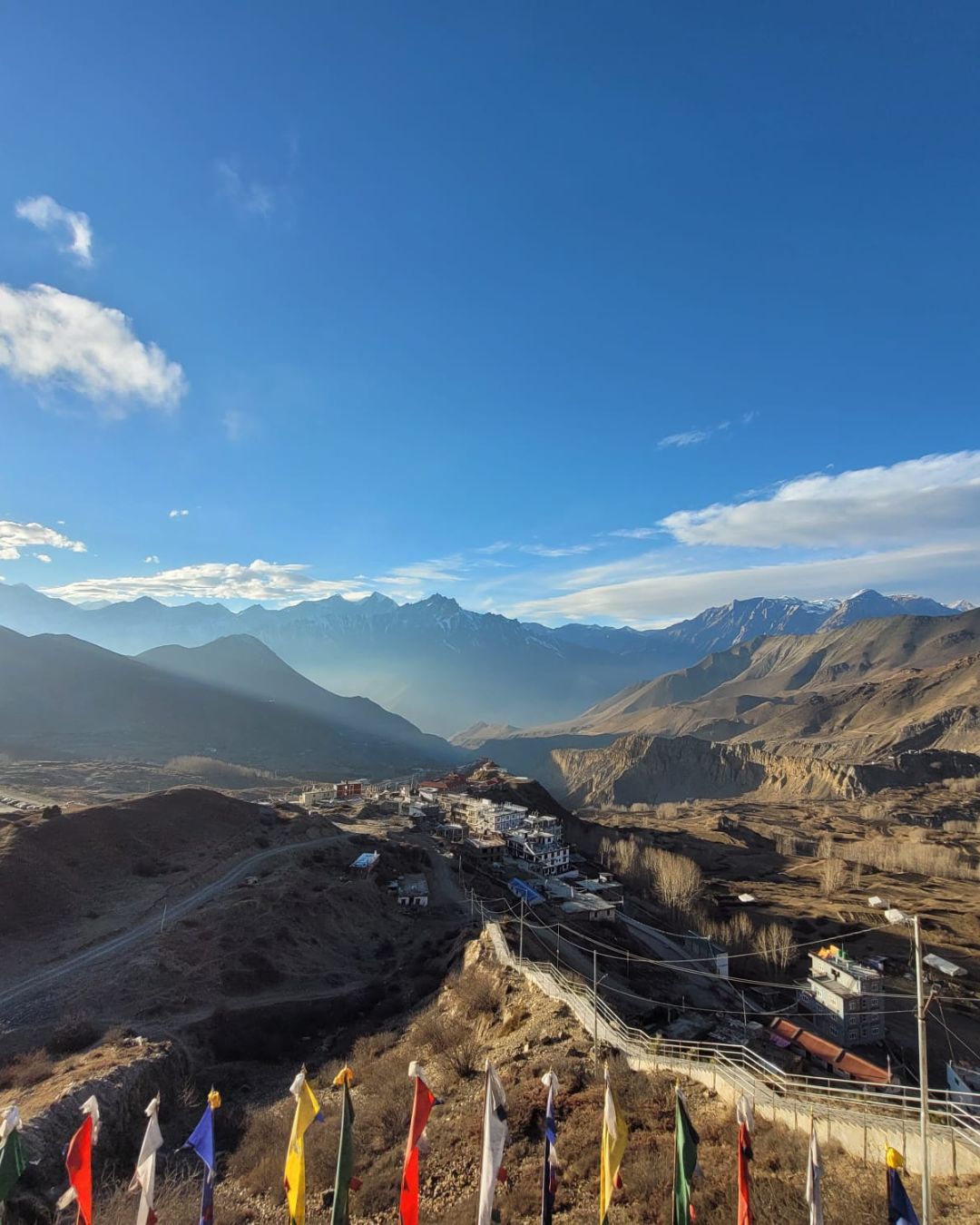
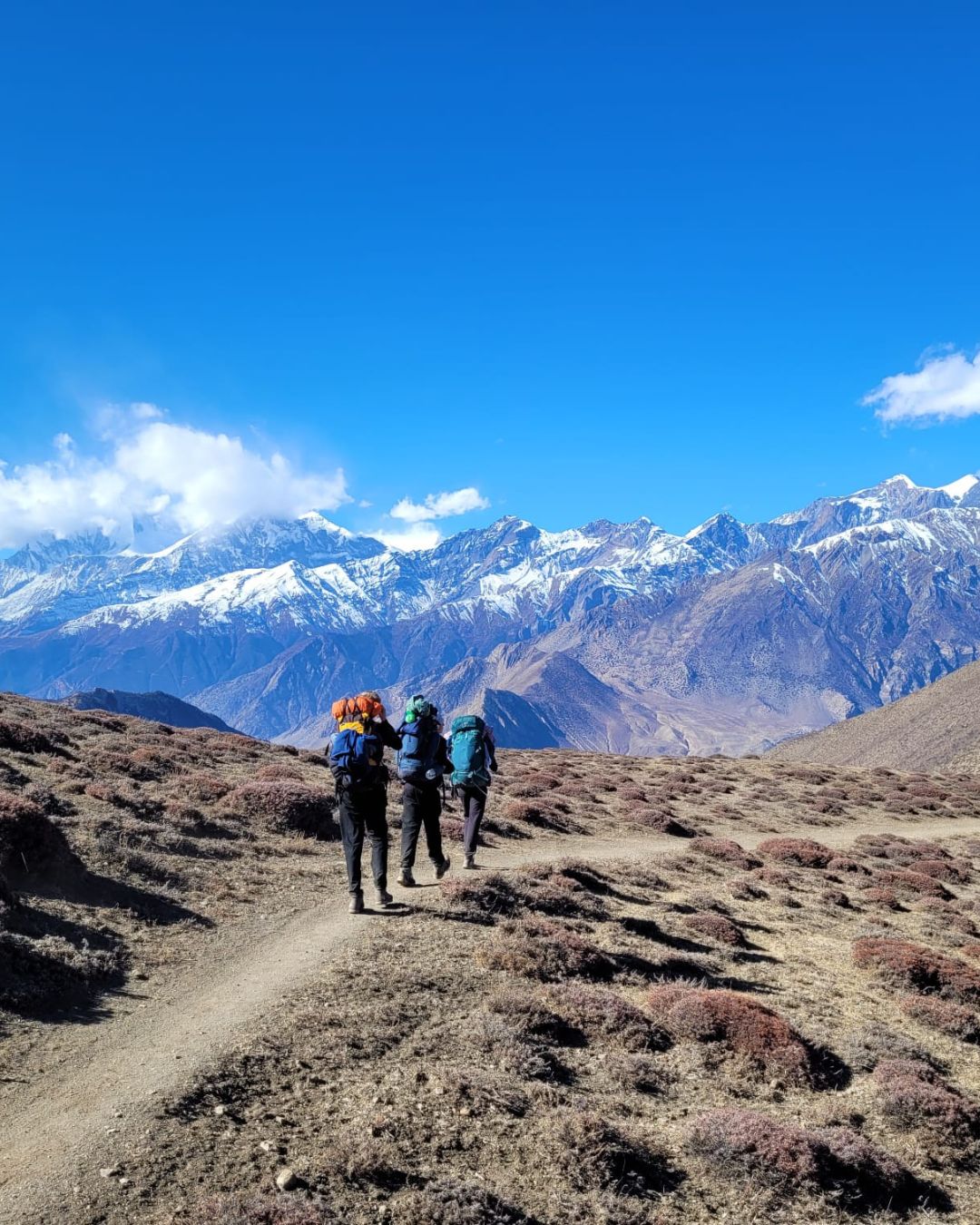
- We will trek through the striking high-altitude desert terrain and sculpted canyons, inspiring awe at these extraordinary landscapes.
- We will cross the challenging high-altitude passes like Chogo La and Nyi La at well over 4000m.
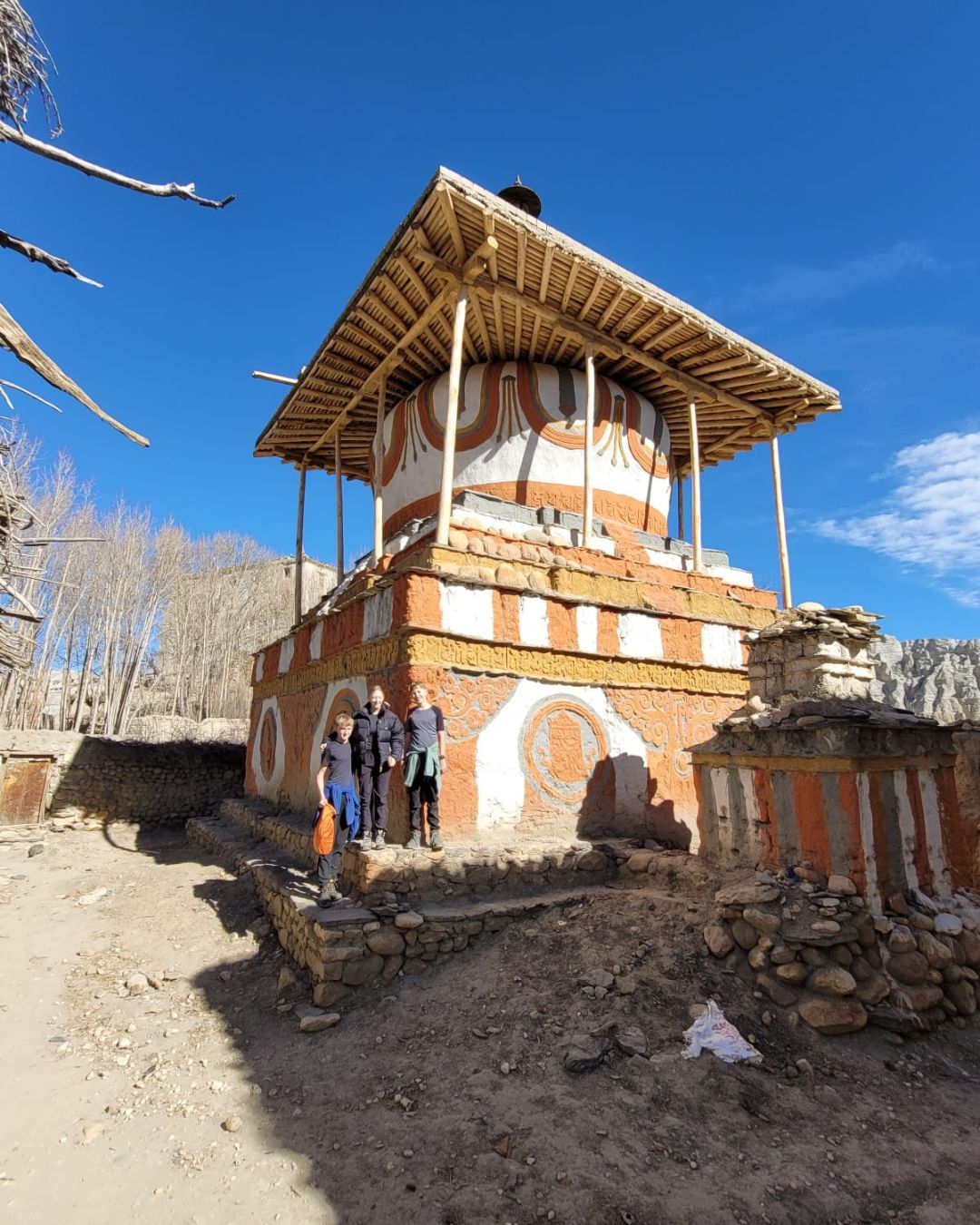
- We will step back in time at the official entrance to Upper Mustang and wander through the authentic mud-brick labyrinths, chortens, and ancient defense outposts.
- Medieval gateway village of Kagbeni will make us step back in time while we wander through the gateway village of Kagbeni.
- We will walk alongside the centuries-old Buddhist prayer wall at Ghami, which is framed by the barren ridges and spiritual folklore tracing back to Guru Padmasatwa.
- Walking alongside the Kali Gandaki riverbed between Kagbeni and Jomsom to spot natural Shaliram will provide deep insight into the prehistoric Tethys Sea.
Why Choose this trek?
The Upper Mustang Trek offers an extraordinary expedition into Nepal’s ancient and forbidden kingdom of Lo Manthang. This trek will blend medieval Tibetan heritage with some of the most beautiful trans-Himalayan landscapes. We will be sheltered in the Annapurna rain shadow, so the can enjoy dry trail trekking even in the monsoon season. The controlled permits and strict entry quotas will ensure pristine cultural authenticity, and uncrowded paths will provide us with optimal immersion.
- This all-season, monsoon-friendly trekking route lies within the Himalayan rain shadow. We will have more trekking windows.
- We will experience the ancient Loba traditions, adding a unique cultural immersion to our journey.
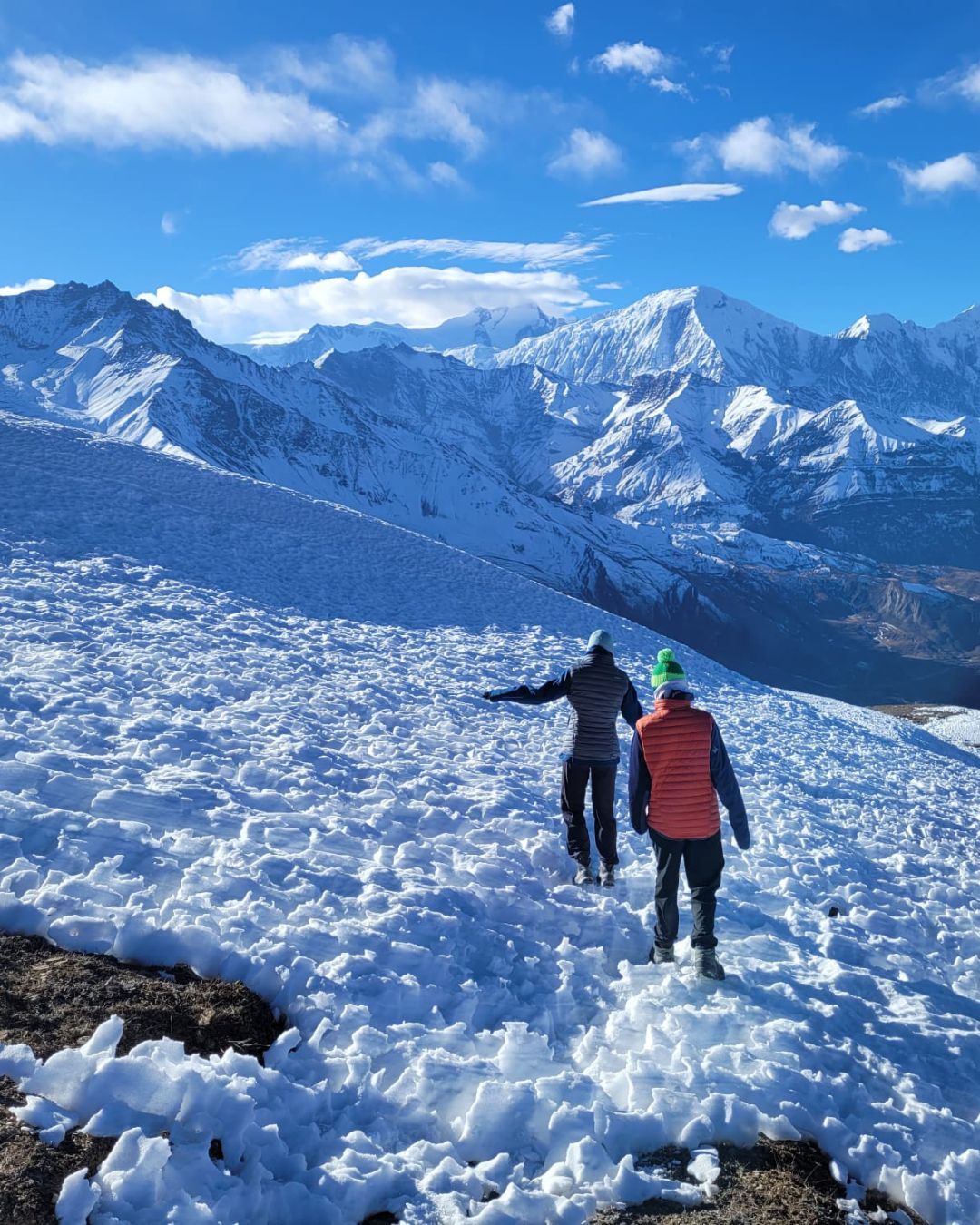
- We will pass surreal Trans-Himalayan landscapes, and arid badlands framed by the snow-capped Himalayas will add to to the beauty.
- The mandatory Restricted Area Permit system controls the tourist numbers and prevents trail overcrowding.
Travelling with Adventure Himalaya Nepal
Travel with Adventure Himalaya Nepal Pvt Ltd., ensuring your journey is supported by exceptional service, local expertise, and trusted safety standards, encouraging confidence in booking.
We offer more than trekking, including tours, mountain flights, city guides, and more. We handle all the demanding logistics to make your first-hand experience better and sweeter with Adventure Himalaya Pvt. Ltd, you can have a great experience visiting Nepal. Because visiting Nepal just once is not enough.
Major Attractions of the Trek
1. The Ancient Walled Capital of Lo Manthang (3,840m)
Serving as the cultural epicenter of the Forbidden Kingdom of Lo, Lo Manthang is an intact medieval fortress city enclosed by protective earthen ramparts. Founded in the 14th century by King Ame Pal, it showcases classical Tibetan Buddhist architecture, royal palaces, and narrow stone labyrinths. Within its walls stand sacred gompas, including Jampa Lhakhang and Thubchen Gompa, which house centuries-old mandalas and golden scriptures. It remains a living repository of Loba royal culture on Nepal’s tentative UNESCO World Heritage register.
2. The Prehistoric Sky Caves of Chhoser (Jhongs Cave)
The prehistoric sky caves of Chhoser are perched high within the sheer sandstone canyons north of Lo Manthang. The Chhoser sky caves are one of Central Asia’s greatest archaeological enigmas. The most prominent Jhong Cave is a five-story subterranean labyrinth that is carved directly into the vertical cliffs. It has dozens of interconnected rooms, stone stairways, and lookout windows. These cliff dwellings historically served as the defensible settlements, burial vaults, and high-altitude meditation spaces.
3. Ghar Gompa (Lo Gekar Monastery)
Ghar Gompa is a historic Monastery dating back to the 8th century. This monastery stands as one of the oldest active Tibetan Buddhist monasteries in the world. It is believed to have been established by the tantric master Guru Padmasambhava (Guru Rinpoche). This sanctuary features vibrant rock carvings, ancient prayer wheels, and historic fresco paintings. It is tucked quietly on the western return route near Dhakmar. This spiritual landmark holds deep significance for the pilgrims.
4. The Crimson Cliffs of Dhakmar & Ghami’s Sacred Mani Wall
The Dhakmar’s geological scenery is dramatic. Towering blood-red sandstone cliffs, shaped by millennia of wind erosion and geological uplift, define the landscape. The local mythology attributes these vivid formations to the vanquishing of the malevolent demon by Guru Rinpoche. The trekkers walk alongside Nepal’s longest Mani Wall nearby at Ghami. These crimson cliffs of Dhakmar and Ghami create an awe-inspiring juxtaposition of Tibetan spirituality and barren, rain-shadow desert landscapes.
5. Kagbeni Medieval Village & The Kali Gandaki River Gorge
Kagbeni guards the northern frontier of the Lower Mustang Valley. This historic settlement is a medieval gateway where the Upper Mustang Restricted Area Permit officially begins. We will set out at the confluence of the Jhong and Kali Gandaki rivers, which carve the world’s deepest gorge. Kagbeni also features centuries-old mud-brick fortresses, chortens, and cobblestone alleys. The trekkers scour the wind-swept riverbeds here to uncover the fossilized Shaligrams.
16-Day Upper Mustang Itinerary
Welcome to Nepal. Upon your arrival at Tribhuvan International Airport in Kathmandu, you will be welcomed by our representative. The representative will provide you with a warm reception along with the private transfer to the hotel. The rest of the morning and afternoon is for you to rest and refresh. In the early evening, we will conduct a thorough pre-trek briefing covering high-altitude logistics, safety protocols, and the Upper Mustang restricted area Permit, ensuring you feel prepared and secure. In the evening, you can buy the last-minute essentials. We have arranged a welcome dinner at an authentic Nepali restaurant. Overnight in a hotel.
Today, our Upper Mustang Trek will officially begin. We will start early in the morning and begin our scenic overland drive along the Prithvi Highway. We will descend towards the lush Trishuli and Marsyangdi river valleys. We will drive past the farmlands, roadside villages, and first glimpses of the mountains. We will arrive in Pokhara by late afternoon. We will settle in a Lakeside hotel with the views of Machhapuchhre(Fishtail). We will soak in the tranquil lakeside evening. Overnight in a hotel.
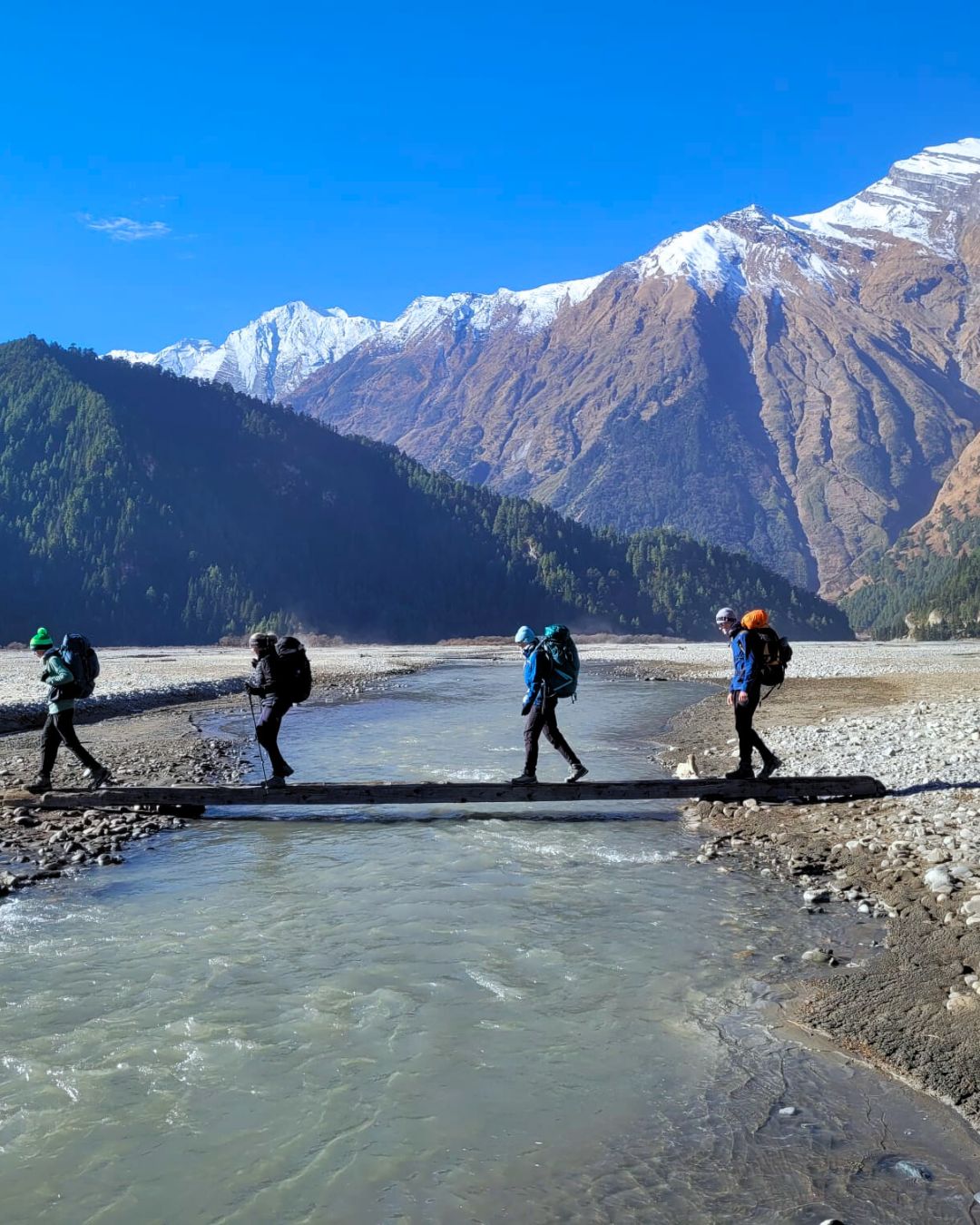
We will take an early-morning mountain flight between the the Annapurna and Dhaulagiri massifs. We will fly through the Kali Gandaki Gorge, which is the world’s deepest gorge. We will land on the high-altitude airstrip of Jomsom. We will meet our porter crew here and begin the gentle hike along the windswept Kali Gandaki riverbed. We will walk gently to Kagbeni, which used to be a medieval fortress and now serves as a beautiful cultural village. Overnight in a teahouse.
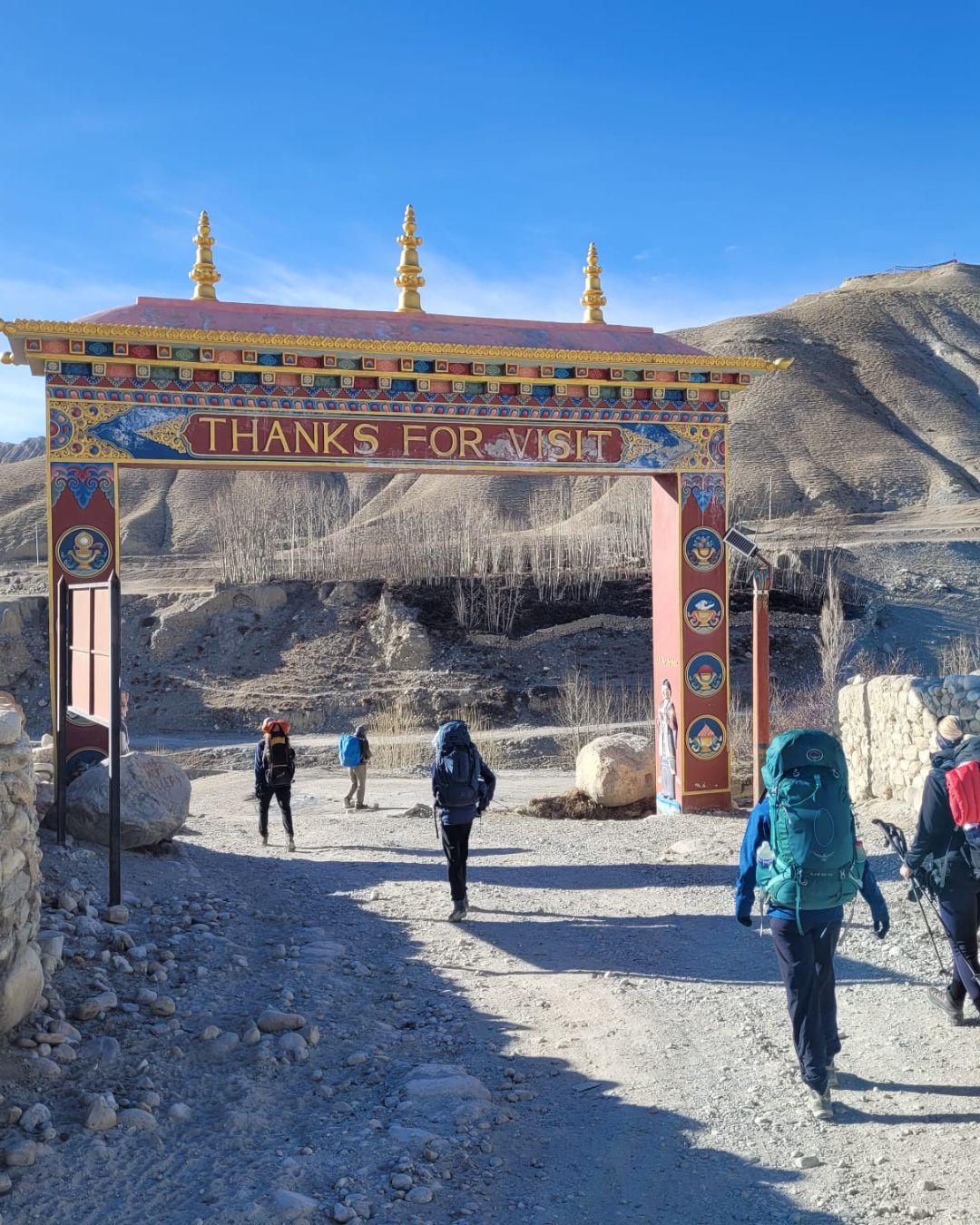
Today, we will walk past the Upper Mustang Permit checkpoint and cross the official boundary into the forbidden Kingdom along the eastern bank of the river. The trail will climb past the canyons and sculpted rock formations towards Tangbe and Chhusang. The cliffs will be noticeable, as if carved by hands. We will cross the natural rock tunnel and take a steep climb to Chele. Chele is a picturesque Thakali village which promotes authentic Tibetan-Buddhist cultures. Overnight in a hotel.
We will climb into the higher terrain. It will be a longer day than the previous one. We will cross Taklam La and Dawa La Passes, which are small and accessible passes. We will descend into the traditional hamlet of Samar before navigating the steep canyon gorges lined with juniper trees and prayer flags. Our path will pass near the sacred Chungsi Cave. Chungsi Cave is renowned for the meditation hermitage of Guru Rinpoche. We will reach the village of Syanbochen, where we will rest in a teahouse.
We will begin with a gradual ascent over Yamda La Pass (3,850 m). We will traverse through the whitewashed settlements and terraced barley fields. We will the cross Nyi La Pass (4,010 m). Nyi La Pass is the highest viewpoint of the southern sector that offers dramatic visuals of the Mustang desert. A gradual descent will lead us directly to Ghami. Ghami is one of the oldest settlements of the Mustang region. We will stay in a teahouse set among the beautiful cliffs and ancient mud-brick chortens.
We will cross the Ghami Khola suspension bridge to pass Mustang’s longest Mani wall. The mani wall is adorned with the sacred Buddhist stone carvings against the rust-red cliffs. We will ascend gently through the dry landscape to cross the Choya La Pass before we descend to Tsarang. A massive five-story white palace and an ancient 14th-century Sakya monastery dominate Tsarang. Overnight in a teahouse in Tsarang.
Today, we will descend into the Tsarang Chu canyon. We will cross the river and climb to a barren plateau toward the windswept Lo La Pass (3950m). From this viewpoint, we will get the view of the iconic white fortress walls of Lo Manthang. We will then descend past the prayer walls and enter through the single historic town gate to settle into the local teahouses. We will be surrounded by intact royal architecture and Loba Culture. Overnight in a teahouse.
Today, we will dedicate an entire day to exploring the inner sanctuaries of Lo Manthang. We will visit the 15th-century gompas known for the world-renowned murals and gold scriptures. The monasteries like Jampa Lhakhang, Thubchen Gompa and Chhoede Gompa are some of the best. Alternatively, we will take a side excursion by horse or local transport to the multi-chambered Jhongs Cave in Chhoser. Explore the ancient multi-level cliff that provided defense, storage, and hermitages. Overnight in a teahouse.
Depart Lo Manthang taking an alternate western return route to experience fresh scenery. Ascend steadily toward the Chogo La pass (4,230m), the highest altitude reached on this trek, and continue down toward Ghar Gompa (Lo Gekar), an active monastery older than Samye in Tibet. Continue through striking geological formations to Dhakmar, famous for its sheer, blood-red sandstone cliffs tied to ancient folklore of Guru Rinpoche defeating regional demons.
We have to start early today to beat the strong canyon winds. We will traverse arid ridges and descend along the high cliff pathways past Ghami. We will rejoin the sections of the central Valley route. We will be hiking past the traditional windbreak stone walls and buckwheat fields. This quiet village will feature two ancient monasteries along the barren slopes. We will have a peaceful overnight stop at the Ghiling Monastery.
Today, we will retrace the trails out while we navigate the high passes like Syanbochen Pass. We will descend through the deep rocky ravines of Samar and Chele. We will take in expansive vistas of Nilgiri and Tilicho massifs. We will then descend the steep drop back to the Kali Gandaki riverbed and cross into the village of Chhusang. Chhusang is a beautiful village surrounded by apple orchards and red rock amphitheaters. Overnight in a teahouse.
We will complete the final trekking section by following the Kali Gandaki River basin. We will pass through the outer border checkpoint at Kagbeni. Kagbeni marks the end of our Upper Mustang Trek. We will continue hiking along the broad, rocky riverbed, which is renowned for the prehistoric shaligram fossils. After reaching Jomsom, we will settle into the guest house and enjoy the completion of our trek with the team. Overnight in a guest house.
We will board a private vehicle to travel south along the rugged Kali Gandaki Highway. The route will descend through the dramatic shifts in geography and passes the waterfalls. We will cross Beni, Tatopani hot springs, and lush sub-tropical forests. We will leave the mountain tracks behind and reach Pokhara. We will settle in a hotel near the the lake and spend the evening around the lake. Overnight in a hotel.
We will board a private vehicle or tourist coach and follow the scenic Marsyangdi and Trishuli rivers. We will pass bustling market towns and lush terraced hillsides as we climb back to the Kathmandu Valley. Upon arrival in Kathmandu, check into the hotel and rest in the city. In the evening, walk along the Thamel street for some souvenir shopping. Dinner will be together with the team as part of the celebration of a wonderful trek. Overnight in a hotel.
With this, your Upper Mustang trekking adventure concludes. This morning, you will have leisure time in the Kathmandu Valley. You can plan sightseeing, visit Pashupatinath, or explore other UNESCO World Heritage sites, depending on your flight schedule. When it's time to depart, one of our team members will transfer you to the Tribhuvan International Airport three hours before your scheduled flight time. We wish you a wonderful time in Nepal and hope to host you for more adventures. See you.
Price Includes
- Airport transfers in Kathmandu.
- Pokhara to Jomsom and Jomsom to Pokhara Transportation by Jeep.
- Tourist Bus transportation (Kathmandu-Pokhara-Kathmandu).
- Accommodation: 3 nights in 3 star hotels (Kathmandu and Pokhara), 12 nights in teahouses.
- Meals: Breakfast, lunch, and dinner during the trek; welcome dinner in Kathmandu.
- Experienced English-speaking guide and porters
- Upper Mustang Restricted Area Permit, ACAP, and TIMS card.
- All taxes and service charges.
Price Excludes
- International flights.
- Nepal visa fees.
- Travel insurance (mandatory).
- Personal expenses.
- Tips for Guide, Porter and Driver
Are you looking to customize the trip itinerary?
If the provided schedule is not suitable for you, we can create a personalized travel arrangement tailored to your preferences and requirements.
Permits Required: Upper Mustang Trek
| Permit Type | Category / Nationality | Price |
| Restricted Area Permit (RAP) | Foreign Nationals & SAARC | USD 500 per person (first 10 days)
+ USD 50 per person per additional day |
| Nepali Citizens | NPR 1,000 per day | |
| Annapurna Conservation Area Permit (ACAP) | Foreign Nationals | NPR 3,000 (~USD 23–30) per person (entire trek) |
| SAARC Nationals | NPR 1,000 per person | |
| Nepali Citizens | NPR 100 per person | |
| Children under 10 years | Free | |
| TIMS Card (Trekkers’ Information Management System)* | All Foreign Nationals | NPR 2,000 (~USD 15–20) per person |
| SAARC Nationals | NPR 1,000 per person |
Note: RAP replaces TIMS inside Upper Mustang, but checkpoints on the overland route through Lower Mustang occasionally verify it.
Adventure Himalaya Nepal will obtain all the necessary permits after you arrive in Kathmandu. All the required permits are included in the package.
Best Seasons for the Upper Mustang Trek
Spring Season (March to May)
Spring is one of the favorite seasons for the Upper Mustang Trek. This season delivers optimal daytime trekking temperatures between 13 to 22 degrees Celsius. The trans-Himalayan desert awakens with the blooming apple orchards and emerald barley fields in the oasis villages like Marpha and Kagbeni. The mountain visibility is exceptional in this season. We will be rewarded with the unobstructed visibility of Nilgiri, Dhaulagiri, and the Annapurna massif. This season also allows us to take part in the famous Tiji festival in Lo Manthang. As a result, spring is one of the best seasons for the Upper Mustang Trek.
Monsoon Season (June to August)
Unlike other trekking routes in Nepal, monsoon is an optimal trekking season in the Upper Mustang region. The Upper Mustang region is geographically shielded behind the colossal 8000m peaks of Dhaulagiri and Annapurna. As a result, this region sits firmly within the Himalayan rain shadow. This region receives less than 200- 300 mm of annual rainfall. High-altitude trails remain dry and warm, with comfortable daytime weather and vibrant green agricultural terraces. Trekking in these months will offer the peaceful paths free from tourist crowds. Adventure Himalaya Nepal highly recommends the monsoon season for comfortable dry trekking conditions. This season is also perfect for an Upper Mustang Overland tour.
Autumn Season (September to November)
Autumn is another great trekking season. In fact, autumn is the most-liked and reliable trekking season across the Himalayas. This season offers crystal-clear post-monsoon skies. The air will be crisp, and visibility will be high-definition. The high desert ridges and jagged canyon walls will reach the sharpest point of the year. The major daytime temperatures range comfortably from 12 to 20 degrees Celsius. We will have perfect daytime trekking conditions, with a lower chance of rainfall. Early autumn features the Yatrung festival, a lively local horse-racing and harvest festival celebrated throughout Mustang. The consistent weather, firm trails, and the striking contrast between deep blue skies will bless us.
Professional Trekking Crew Support
As your professional travel partner, Adventure Himalaya Nepal will provide government-certified, English-speaking, licensed trekking guides and experienced mountain porters. These professionals will ensure you have a seamless Tilicho Lake trekking adventure. Your trekking guide will lead the daily logistics, navigate the trail, and handle permits and teahouse bookings. The trekking guide will also manage emergencies and share rich insights into Gurung and Magar culture along the trek.
Local porters will carry your main duffel bags, leaving you with your day backpack. They typically carry up to 20-25 kg of baggage shared between two hikers. These personnel will receive fair daily wages, proper gear, meals, and lodging. In accordance with the Himalayan porter welfare standards and government regulations. All the crew members are provided with full medical and accident insurance coverage throughout the trek.
Difficulties of The Upper Mustang Trek
- The Upper Mustang trek is moderately challenging, marked by distinct physical hurdles:
- High Altitude & Dry Air: Sustained elevations above 3,500m (peaking at 4,230m) cause dehydration and mild altitude sickness (AMS) in the thin, arid mountain climate.
- Gale-Force Canyon Winds: Intense afternoon dust winds sweeping up the Kali Gandaki gorge create fatiguing resistance.
- Rugged Desert Terrain: Trekkers navigate steep scree descents, undulating ridges, and dry, dusty riverbeds.
- Remote Basic Amenities: Rudimentary teahouses, unpaved off-road jeep tracks, and limited access to immediate emergency medical care.
Preventive Measures against difficulties
- We will follow the proven mountaineering rule: climb high, sleep low, and use the designated rest days in Lo Manthang.
- Trekkers have to drink 3 to 4 liters of clean water daily and consume electrolyte-rich fluids and hearty carbohydrate meals.
- We may need to carry Diamox, under medical consultation, to help with acclimatization, and the guide will check pulse and oxygen levels.
- Pack essential high-altitude gear like a four-season sleeping bag, thermal base layers, and reliable shoes and trekking poles.
- Securing comprehensive travel insurance is always a wise option to protect hard-earned savings in case of emergency.
Travel Insurance
When travelling to a foreign country for multiple activities, comprehensive travel insurance that covers emergency costs is essential. For a high-altitude trek like the Upper Mustang Trek, the importance of Travel insurance escalates. We will walk at the elevation of more than 4000m for multiple days. The Upper Mustang Trek involves medical risks, altitude sickness, and sudden injuries. To get an immediate medical response, you may need to call for a helicopter rescue operation from Kathmandu or Pokhara. Such rescue operations can cost up to 5-8000 USD alone. Therefore, trekkers must have a special high-altitude travel insurance.
In case of severe injuries and altitude sickness, unexpected blizzards, or trail injuries, ground evacuation is practically impossible. A dedicated policy guarantees immediate emergency helicopter rescue and covers medical evacuation expenses that can wipe out hard-earned savings. We recommend that you buy travel insurance from a trusted travel insurance company.
Upper Mustang Trek FAQs
No. Trekking to Upper Mustang solo or without a guide is completely prohibited. Under the Nepal government’s regulations for restricted areas, foreign travelers are not eligible to trek independently. Trekkers must hire a licensed Nepali trekking guide from the registered and active trekking agency like Adventure Himalaya Nepal.
You need two primary permits: the Upper Mustang Restricted Area Permit (RAP), which costs USD 500 per person for the first 10 days plus USD 50 per day thereafter, and the Annapurna Conservation Area Permit (ACAP), which costs NPR 3,000 (~USD 23–25). A TIMS card (NPR 2,000) may also be required for transit sections in Lower Mustang.
The major seasons for the Upper Mustang Trek are spring (March to May), Monsoon (Jun-Aug), and Autumn (Sep-Nov). Upper Mustang lies in the Himalayan rain shadow; hence, it's very dry even in the monsoon season, unlike other treks in Nepal. It will be a unique and immersive experience to trek in the monsoon season in Nepal.
The trek is rated moderate to challenging. Trekkers have to walk an average of 6-7 hours per day over dry and loose scree. The windswept riverbed and rugged landscape can be another challenge to the journey. The Upper Mustang Trek does not require technical mountaineering skills, but strong cardiovascular and leg strength, along with previous trekking experience, is a bonus.
The maximum elevation we will reach on the Upper Mustang Trek is Chogo La Pass (4230m). The standard overnight stays average from 3000m to 3840m. The risk of Acute Mountain Sickness is relatively lower than treks like the Everest Base Camp trek. It is important to stay properly hydrated and acclimatize gradually. It will ensure a safe trekking experience.
Accommodation in the Upper Mustang Trek consists of authentic Himalayan teahouses. The rooms and facilities will be basic, with twin beds with foam mattresses and shared squat toilets. There will be a common dining hall. In the major hubs like Jomsom, you will be provided with modern facilities.
The teahouse menus have a hearty blend of Nepali, Tibetan, and basic Western fare. The main meal is traditional Dal Bhat with free refills. The other major staples are Tibetan bread, momos (dumplings), thukpa (noodle soup), fried noodles, porridge, pancakes, and eggs.
Single-use plastic bottles are discouraged or banned in conservation zones. Trekkers should carry reusable water bladders or insulated bottles and treat tap or boiled water with water purification tablets, UV purifiers (Steripen), or hollow-fiber filtration systems. Boiled water is also available for purchase at teahouses.
Electricity is available in the most villages via solar or local hydropower grids. The teahouses may provide charging facilities for free or charge a small amount (typically Rs 100-200). Most teahouses offer Wi-Fi for another 100-200 NPR, but connections can be erratic. There are no ATMs north of Jomsom; hence you need to carry enough cash from Pokhara or Kathmandu.
NTC (Namaste) provides the widest cellular network and 4G data coverage throughout the Mustang valley, reaching villages as far north as Lo Manthang and Chhoser. Ncell provides reliable reception up to Kagbeni and Jomsom. However, its signal deteriorates significantly in the deeper, isolated northern canyons.
Upper Mustang is a historical, semi-independent Kingdom of the Lo. This kingdom was culturally tied to Western Tibet. To preserve its fragile ecosystem and distinctive Loba Heritage, the region was made completely inaccessible to the foreigners till 1992. It is now regulated under the restricted access model.
Extreme temperature and air-pressure differentials between the cold, arid Tibetan Plateau to the north cause severe afternoon winds in the Kali Gandaki valley. By 11:00 AM daily, the gale-force winds generate blinding dust storms. It is always wise to trek early in the morning and cross the windy pass early.
The Tiji festival is an auspicious three-day Tibetan Buddhist celebration. It is celebrated in the courtyards of the royal palace at Lo Mangthang. This festival is celebrated to commemorate the victory of the deity Dorje Jono over demonic forces. It follows the Tibetan lunar calendar and typically occurs in May.
The remote mountain health posts are in Jomsom and Lo Manthang. They treat minor ailments, and facilities are basic. In such cases of altitude sickness or sudden injuries, the best and quickest medical response is helicopter emergency evacuation to Pokhara or Kathmandu. That's why travel insurance is an important part of your trip.
You have two options: a 20- to 25-minute scenic mountain flight between the Annapurna and Dhaulagiri massifs, or an overland 4WD jeep drive (6 to 8 hours) along the rugged Kali Gandaki corridor. Flights operate only in the early mornings before crosswinds peak, and weather-related cancellations or delays can happen.