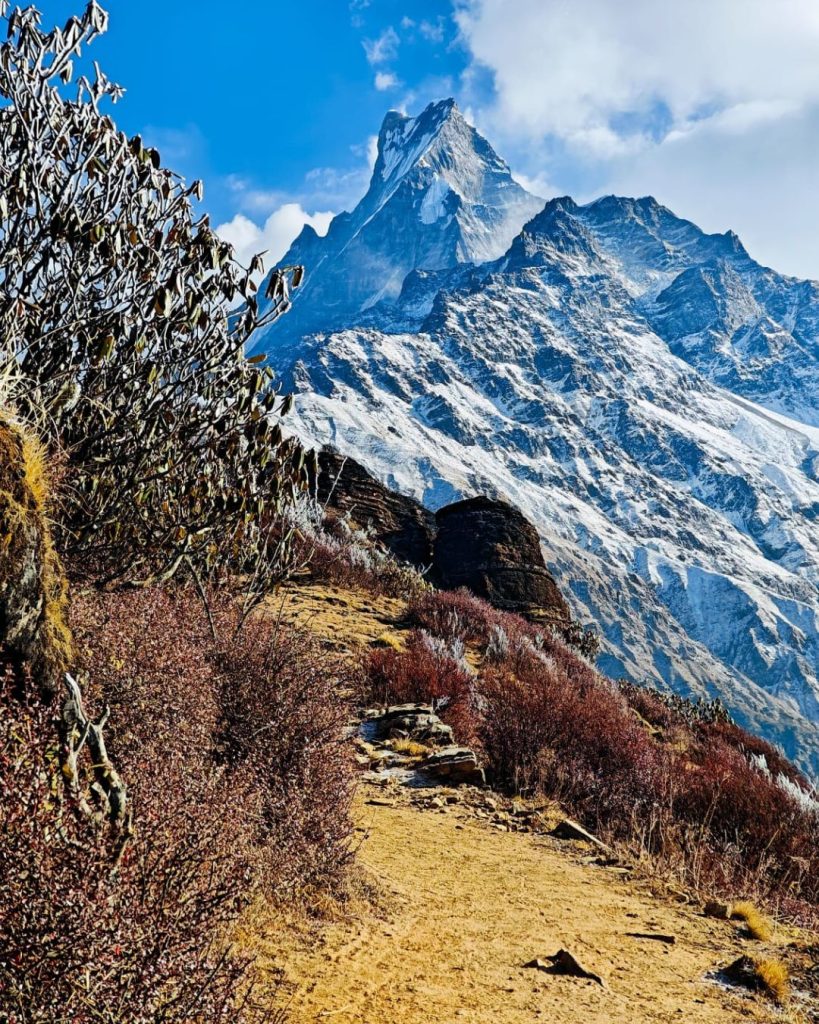
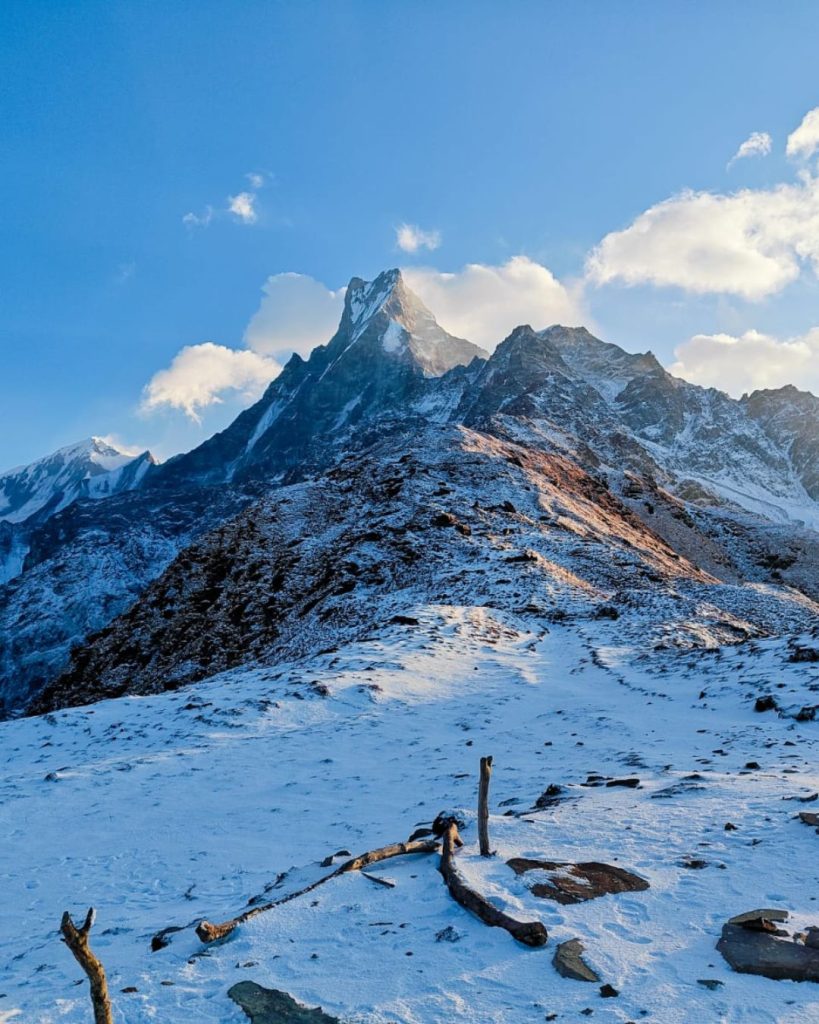
The Mardi Himal Trek is a short, scenic, and culturally immersive trekking adventure tucked away in the heart of the Annapurna region of Nepal. Rising to an elevation of 5,587 meters, Mardi Himal stands proudly in the shadows of the iconic Machhapuchhre (Fishtail) and Annapurna South peaks. Despite its staggering beauty, Mardi Himal remained a relatively hidden trail until 2012, when it was officially opened to trekkers. Since then, it has become one of Nepal’s fastest-growing trekking routes, offering a perfect combination of majestic mountain views, tranquil forests, and local culture.
For those looking to experience the grandeur of the Himalayas without embarking on a long and strenuous expedition, the Mardi Himal Trek provides an ideal alternative. The trek typically reaches its final point at the Mardi Himal Base Camp, located at around 4,500 meters, offering breathtaking views of the surrounding snow capped peaks. The journey begins from Pokhara, a vibrant lakeside city and Nepal’s gateway to the Annapurna region.
A Short Yet Rewarding Trekking Experience
Unlike the classic treks like Everest Base Camp or Annapurna Circuit that require two weeks or more, Mardi Himal is one of the shortest treks in Nepal, often completed in just 5 to 7 days. Yet, it doesn’t compromise on the beauty, experience, or adventure. The route gradually ascends from the warm lowlands through peaceful rhododendron and oak forests, transitioning into alpine meadows and high ridgelines with panoramic views of towering Himalayan peaks.
The trail winds through quiet villages, untouched natural landscapes, and ancient forests, making it perfect for those seeking less-crowded paths and a more intimate connection with nature. Because it is relatively new compared to the more famous trekking routes, Mardi Himal offers a sense of solitude and authenticity that’s increasingly rare in popular trekking destinations.
Ideal for Beginners and Experienced Trekkers
One of the standout features of the Mardi Himal Trek is its moderate difficulty level. It’s perfectly suited for beginners with basic fitness levels, while still offering enough challenges and excitement to appeal to seasoned trekkers. While the altitude can rise above 3,000 meters, where the risk of altitude sickness begins to appear, the trail is manageable, and the ascent is gradual enough for most trekkers to acclimatize without issue.
Despite reaching high altitudes, the trek does not involve technical climbing or extremely steep ascents, making it accessible for a wide range of age groups and experience levels. With proper pacing, hydration, and rest, Mardi Himal becomes not just an achievable trek—but an immensely enjoyable one.
Incredible Mountain Views Without the Crowds
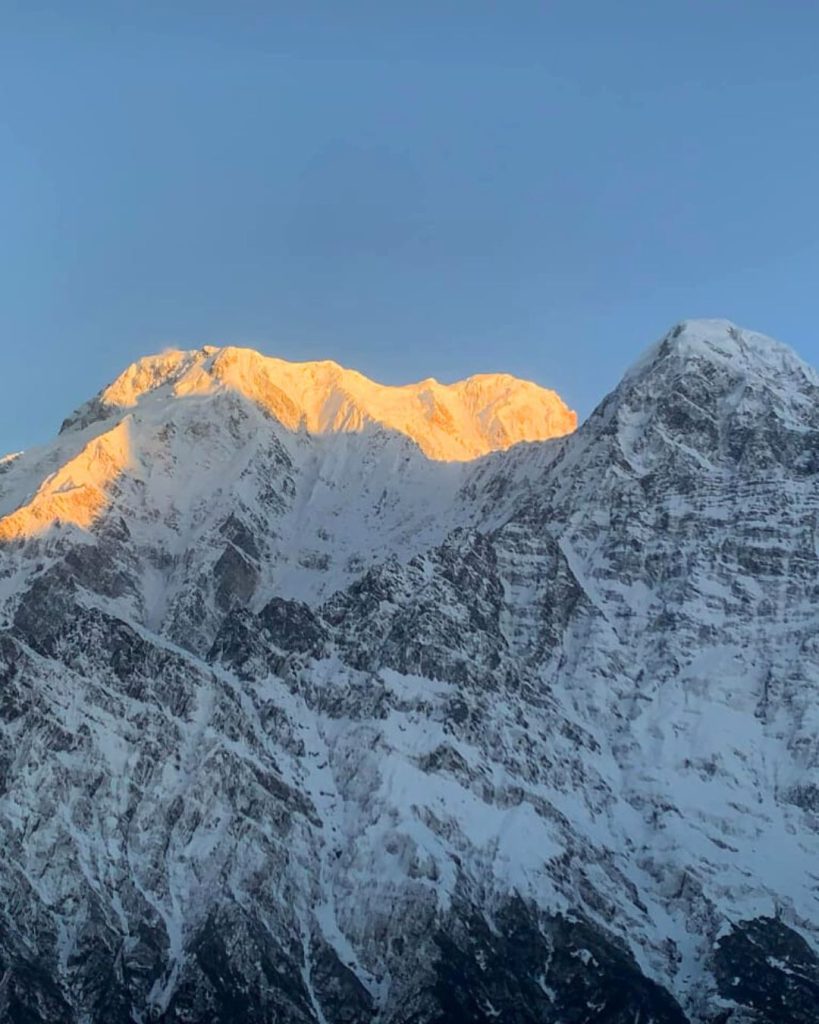
The highlight of any Himalayan trek is, of course, the mountains and Mardi Himal delivers them in full glory. From the ridgelines and high camps, trekkers are treated to jaw-dropping views of some of Nepal’s most iconic peaks:
- Machhapuchhre (Fishtail) – 6,993m
- Annapurna South – 7,219m
- Hiunchuli – 6,441m
- Mardi Himal – 5,587m
What makes Mardi Himal special is not just the view itself, but the peace and space you get to enjoy them. Unlike the busy viewpoints in Ghorepani or the bustling base camps of Everest and Annapurna, Mardi Himal offers a quiet and uncrowded vantage point, allowing you to soak in the grandeur in near silence, just the wind, the snow capped peaks, and your thoughts.
A Gateway to Gurung and Magar Culture
While the landscapes are captivating, the cultural experience on the Mardi Himal Trek is equally enriching. The trail meanders through several charming Gurung and Magar villages, where traditional lifestyles are preserved and warmly shared with visitors. Here, the ancient Nepali philosophy of “Atithi Devo Bhava” (The guest is God) is not just a saying, it’s a way of life.
Trekkers are welcomed with smiles, warm meals, and stories passed down through generations. You’ll have the chance to taste authentic Nepali dishes such as dal bhat (lentils and rice), roti (bread), local greens, and sometimes homemade fermented foods and yogurt. Cultural performances, traditional dress, and village hospitality elevate the experience from just a walk through nature to a cultural exploration of Nepal’s heartland.
Rich Biodiversity Along the Trail
Another reason Mardi Himal stands out is the diversity of its ecosystem. Starting from around 800 meters above sea level, the trek ascends through various ecological zones. The lower elevations are marked by lush bamboo, oak, and rhododendron forests, alive with birdsong and fresh mountain air. During spring, the hills are ablaze with blooming rhododendrons, turning the forest trails into a fairy tale corridor of reds, pinks, and whites.
As you climb higher, the landscape changes dramatically. Trees thin out, giving way to alpine shrubs and wide grasslands. You may even spot Himalayan monals, pheasants, langurs, and other native wildlife. It’s not just a trek, it’s a journey through a living Himalayan ecosystem.
Pokhara – The Starting Point
The Mardi Himal Trek begins in Pokhara, a city known for its tranquil lakes, lively tourist scene, and majestic mountain views. From Pokhara, the trail typically starts at Kande or Phedi, both easily accessible by a short drive. This proximity to a major city makes the trek even more attractive for those on tight travel schedules.
The trek route usually follows this itinerary:
- Pokhara to Kande (by vehicle), trek to Forest Camp
- Forest Camp to Low Camp to High Camp
- Hike to Mardi Himal Base Camp (4,500m)
- Return via Siding Village or the same route
Each day brings a new kind of beauty, from mist-covered forests to starlit nights above the clouds.
5 Day Mardi Himal Trek Itinerary – Scenic Himalayan Adventure in Nepal
Mardi Himal Trek – 5 Days Itinerary
| Day | Itinerary Details | Altitude | Duration |
|---|---|---|---|
| Day 1 | Drive from Pokhara to Kande (1 hr), then trek to Forest Camp via Australian Camp and Pothana | 2,540 meters (Forest Camp) | 5–6 hours |
| Day 2 | Trek from Forest Camp to Low Camp, enjoying the rhododendron and oak forest | 2,970 meters (Low Camp) | 3–4 hours |
| Day 3 | Trek from Low Camp to High Camp, with first clear views of Machhapuchhre | 3,580 meters (High Camp) | 3–4 hours |
| Day 4 | Early morning hike to Mardi Himal Base Camp and return to Low Camp or Siding Village | 4,500 meters (Base Camp) | 6–7 hours |
| Day 5 | Trek to Siding Village, then drive back to Pokhara | 1,280 meters (Pokhara) | 4–5 hours trek + 2.5 hrs drive |
For those who want a fast yet fulfilling Himalayan adventure. Our package includes:
- All land transport (private vehicle)
- Full board meals during the trek (breakfast, lunch, dinner)
- Licensed local guide and porter service
- National park permits and entry fees
- Drinking Water
This itinerary is ideal for travelers who want a concise yet immersive Himalayan experience, one that includes both nature and culture, challenge and comfort.
When to Go: Best Seasons for Mardi Himal
The best time to trek Mardi Himal is during:
Spring (March to May)
This is the most vibrant season, with rhododendron forests in bloom, moderate temperatures, and clear mountain views.
Autumn (September to November)
Post-monsoon skies are crisp and clean, making it the most popular season for clear Himalayan panoramas.
Winter (December to February)
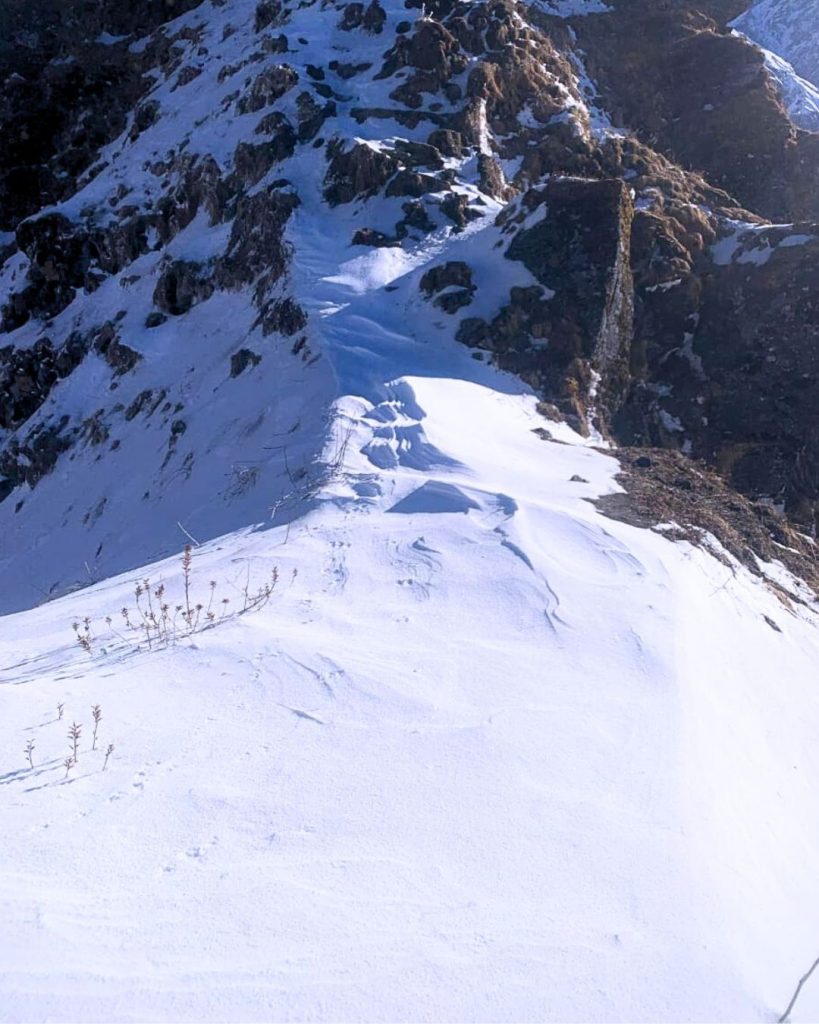
The trail is less crowded, and the snow-covered landscapes offer a magical winter trekking experience, though it’s colder at higher altitudes.
Monsoon (June to August)
While less ideal due to slippery trails and leeches, some experienced trekkers appreciate the solitude and greenery.
Altitude Sickness: What You Should Know
While the Mardi Himal Trek is not especially high compared to other Himalayan routes, the elevation still reaches 4,500 meters. Trekkers may feel mild symptoms of Acute Mountain Sickness (AMS) such as headaches, nausea, or fatigue, especially above 3,000 meters.
The good news is that Mardi Himal’s gentle gradient and short duration reduce the risk significantly. With proper hydration, rest, and gradual ascent, most trekkers complete the trek without any serious issues. Having a knowledgeable guide also helps, especially in recognizing early signs of altitude sickness.
Sustainable and Responsible Trekking
As a relatively new trail, Mardi Himal remains clean and pristine, and it’s essential to keep it that way. At Adventure Himalaya Nepal, we practice and promote responsible trekking:
- Using refillable water bottles instead of plastic
- Supporting local tea houses and community based tourism
- Respecting local cultures and customs
- Minimizing waste and practicing Leave No Trace principles
Trekking is more than sightseeing, it’s a relationship with the land and people, and preserving that bond is part of the adventure.
Tips for Travellers – Mardi Himal Trek
| Tip | Details |
|---|---|
| 1. Best Time to Trek | Spring (Mar–May) and Autumn (Sep–Nov) offer clear skies and mountain views. Avoid monsoon (slippery trails) and prepare for cold if trekking in winter. |
| 2. Pack Smart & Light | Bring layered clothing, waterproof gear, trekking boots, poles, sunglasses, gloves, headlamp, power bank, snacks, and water filter. |
| 3. Physical Preparation | Light cardio, hiking, or stair climbing for a few weeks before the trek helps build stamina and reduces fatigue. |
| 4. Acclimatization | Ascend gradually. Stay hydrated, avoid alcohol, and rest if symptoms of altitude sickness appear. Highest point: 4,500 m. |
| 5. Accommodation & Meals | Teahouses offer basic comfort. Book early in peak seasons. Reach lodges by afternoon to secure a room. |
| 6. Connectivity & Electricity | Mobile network is weak or unavailable beyond Forest Camp. Bring a power bank; charging may cost extra. |
| 7. Travel Insurance | Must include high-altitude trekking and emergency evacuation. Highly recommended for safety. |
| 8. Carry Enough Cash | No ATMs on the trail. Bring sufficient Nepali rupees for food, lodging, extras, and tips. |
| 9. Respect Local Culture | Dress modestly, ask before photos, and support local businesses. Gurung communities along the trail are warm and welcoming. |
| 10. Eco Friendly Trekking | Avoid plastic bottles, take your waste back, and use purification tablets or boiled water to reduce environmental impact. |
Why Choose Mardi Himal?
Whether you’re a seasoned trekker or a first time visitor to Nepal, the Mardi Himal Trek offers a complete Himalayan experience in a short time frame. With panoramic mountain views, quiet trails, rich cultural encounters, and easy access from Pokhara, it’s no surprise that Mardi Himal is gaining fame as Nepal’s best short trek.
At Adventure Himalaya Nepal, we’ve crafted a trekking experience that combines nature, culture, comfort, and safety. Let us guide you through the forests, ridgelines, and villages of Mardi Himal, where every step brings you closer to the soul of the Himalayas.