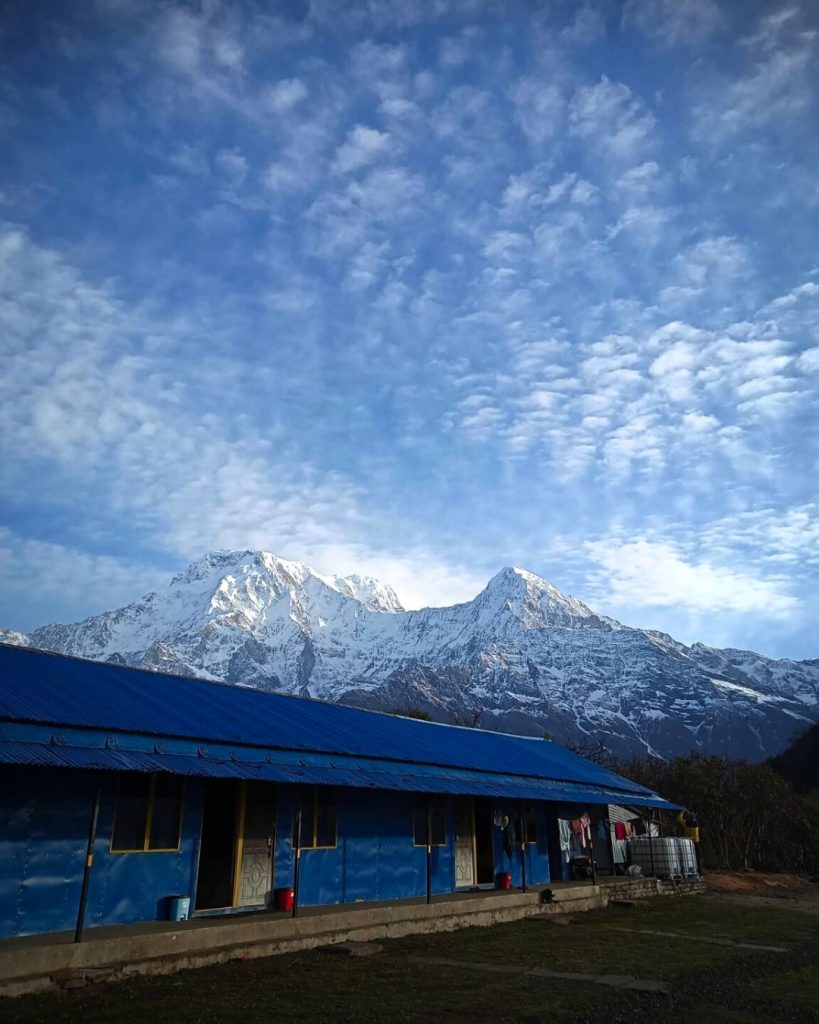
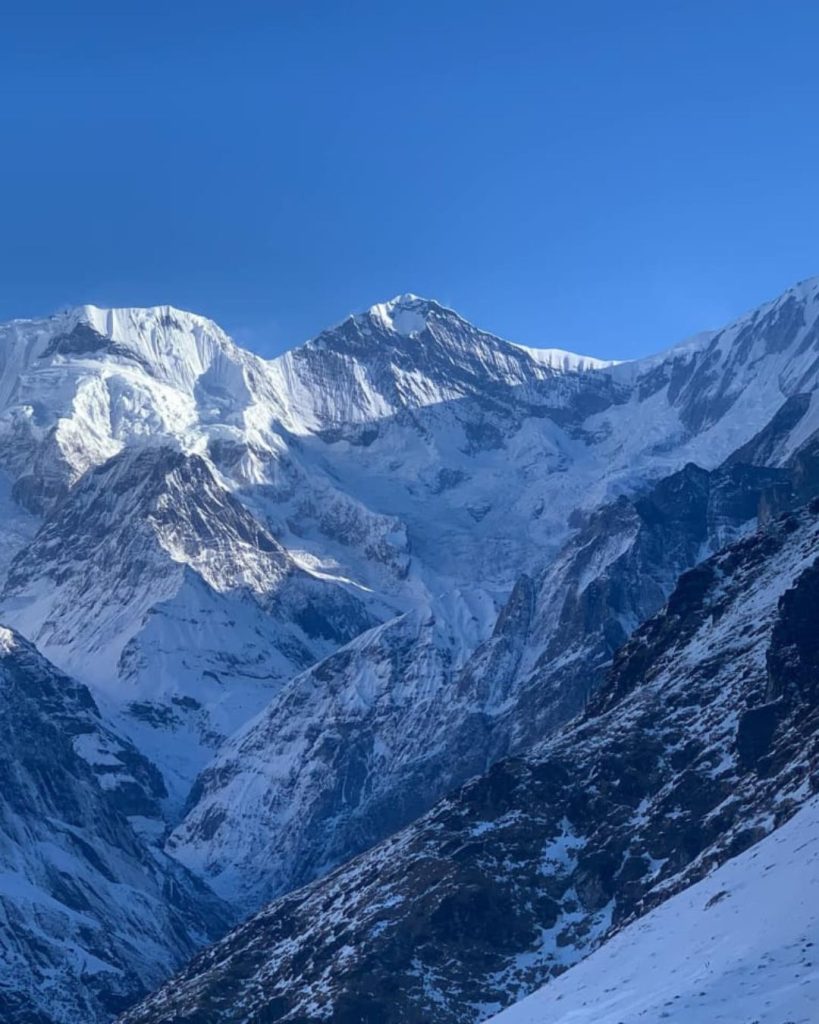
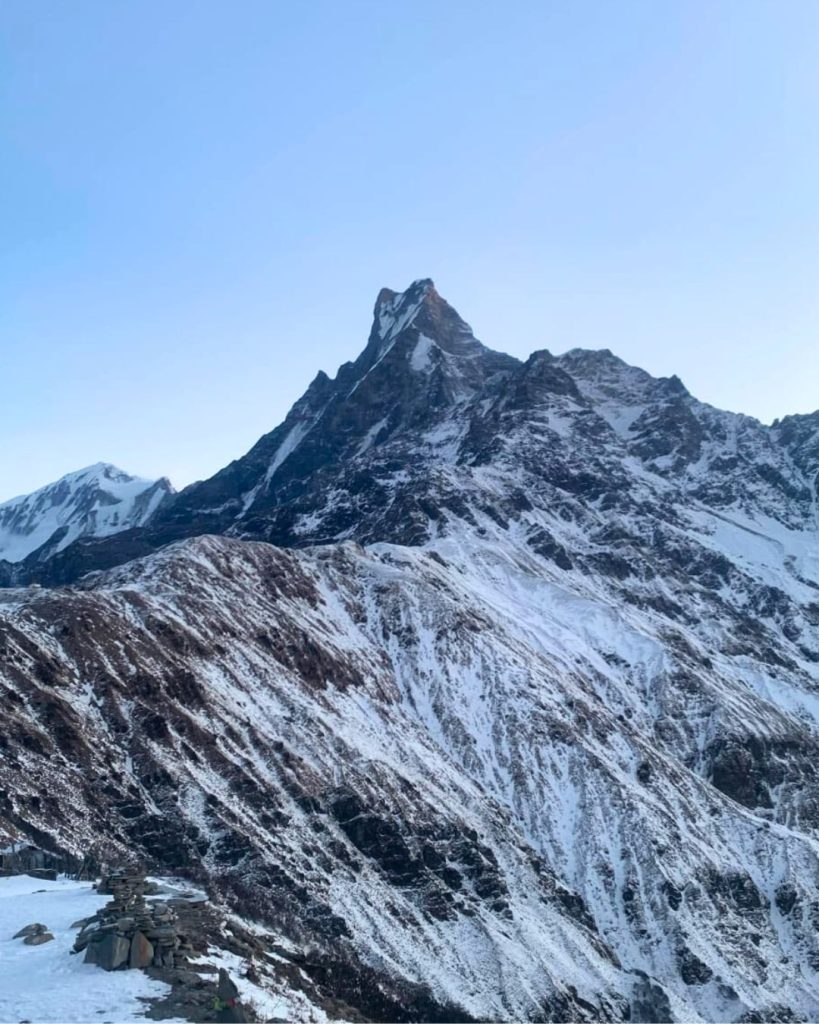
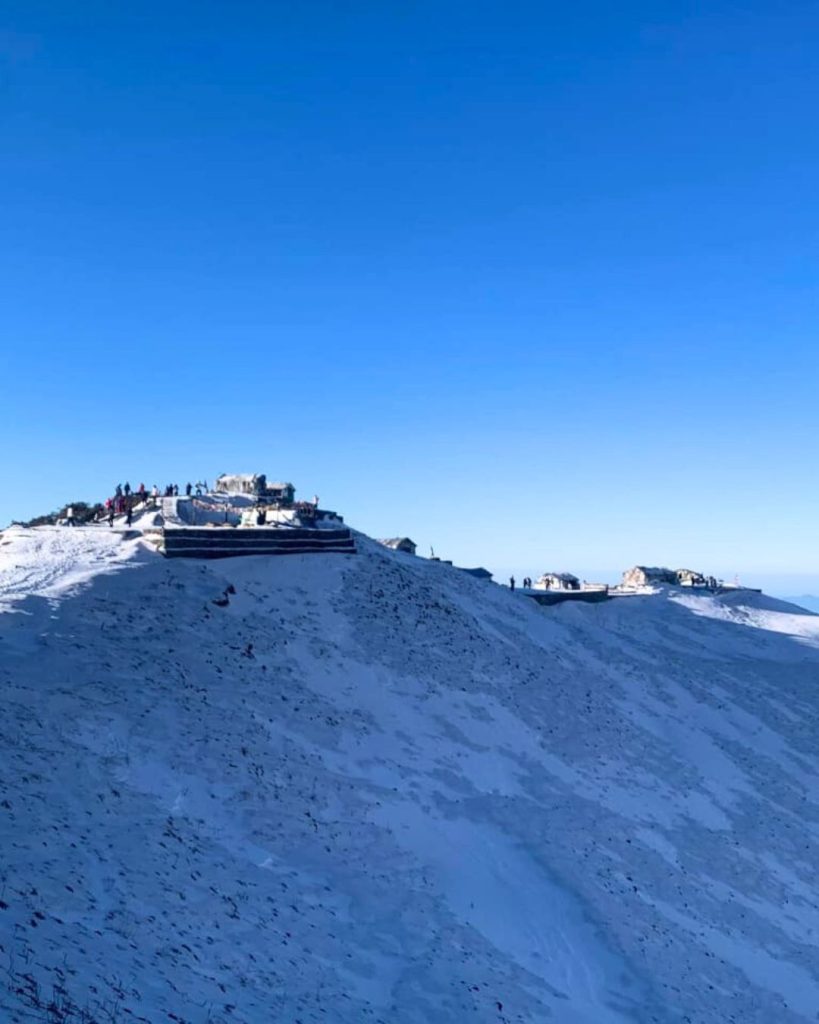
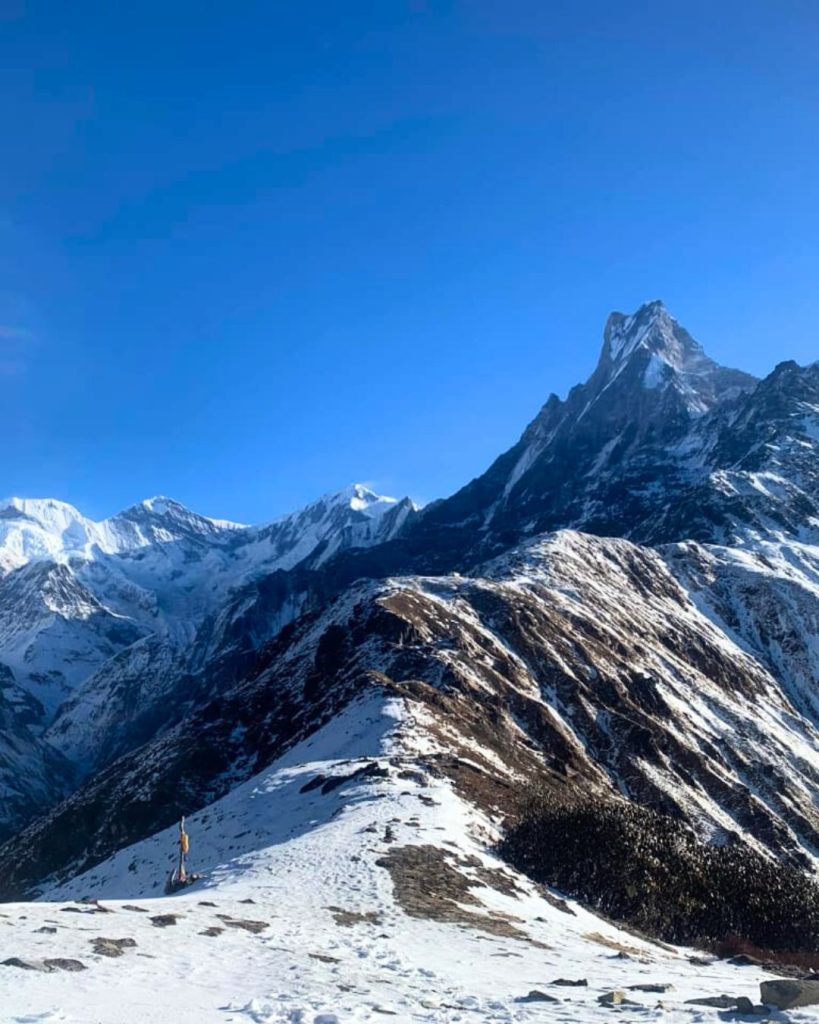
The Mardi Himal Trek in Nepal is one of the most breathtaking adventures in the Annapurna region. Nestled beneath the majestic Machhapuchchhre (Fishtail) mountain, this trail offers an intimate encounter with nature, panoramic Himalayan views, and authentic village life. But as this trek grows in popularity among both solo and group trekkers, it becomes vital to protect the fragile environment and local culture that make Mardi Himal so special. This is where responsible trekking comes in.
At Adventure Himalaya Nepal, we believe that every traveler plays a role in preserving the beauty of the places they visit. In this comprehensive guide, we dive into the principles of eco-friendly trekking, the history and current state of the Mardi Himal region, and how you can enjoy your adventure while minimizing your environmental footprint.
What is Responsible Trekking ?
Responsible trekking refers to traveling in a way that respects the environment, supports local communities, and preserves cultural values. It focuses on:
- Reducing waste and pollution
- Supporting local economies
- Conserving wildlife and natural resources
- Engaging respectfully with local people and traditions
Whether you’re an experienced hiker or a first time trekker, being a responsible trekker ensures that future generations can enjoy the same pristine landscapes and vibrant cultures that draw thousands to Nepal every year.
A Brief History of Mardi Himal Trek
Though the Mardi Himal Base Camp (4,500 meters) has existed for centuries, the trail itself remained largely unexplored until the early 2000s. Prior to that, local shepherds used this high route to graze yaks and sheep, but few trekkers ventured here due to its remoteness and lack of infrastructure.
Recognized officially as a trekking route by Nepal’s Ministry of Tourism around 2012, the Mardi Himal trail has since become a hidden gem. It offers a peaceful alternative to busier routes like Annapurna Base Camp or Everest Base Camp, with fewer crowds, more forested trails, and unspoiled views.
The Present Day Mardi Himal Trek
Today, the Mardi Himal trek is known for its rich biodiversity, picturesque Gurung and Magar villages, and dramatic elevation gain within a short trekking duration. The trek typically starts from Kande or Phedi and winds through Australian Camp, Forest Camp, Low Camp, High Camp, and finally Mardi Himal Base Camp.
Small teahouses line the trail, offering basic accommodation and warm meals. However, with increased foot traffic, environmental concerns like waste management, deforestation, and trail erosion have become more pressing.
Eco Friendly Travel Tips for Mardi Himal Trek
Here are actionable tips to ensure your Mardi Himal Trek remains eco conscious:
a. Pack Reusable Items
- Water Bottle with Filter: Avoid buying plastic water bottles. Instead, bring a reusable bottle with a purification system.
- Reusable Bags: Use fabric or foldable bags for snacks, laundry, or trash.
- Travel Cutlery: Carry your own fork/spoon and avoid disposable plastics.
b. Minimize Waste
- Leave No Trace: Carry out everything you bring in.
- Say No to Plastic: Don’t accept plastic straws, cutlery, or packaging where possible.
- Eco Friendly Toiletries: Choose biodegradable soaps and toothpaste.
c. Stay in Eco-Conscious Teahouses
Choose accommodations that use solar power, recycle waste, and support local initiatives. Adventure Himalaya Nepal works with teahouses that align with these values.
d. Trek in Small Groups
Smaller groups make less environmental impact and are easier to manage on narrow or fragile trails.
e. Follow Marked Trails
Do not create new paths or shortcut trails through forests or pastures. Stick to the designated trekking route.
f. Use Local Transportation
Where flights are optional, choose local buses or shared jeeps to reduce carbon footprint.
g. Respect Wildlife
Don’t disturb or feed animals. Maintain a safe distance and never take anything from the forest(eg. Rhododendron and others flowers)
h. Cultural Sensitivity
- Ask permission before photographing people.
- Dress modestly, especially in villages.
- Learn a few Nepali greetings like “Namaste” and “Kati Ho”(How Much) to show respect.
Supporting Local Communities
Responsible trekking also means uplifting the lives of people who live in these remote regions:
- Hire Local Guides and Porters: This provides income to the community and enriches your trek with cultural insights.
- Buy Local Products: Purchase handicrafts or food items made by local artisans and farmers.
- Eat Local Cuisine: Dal Bhat, Gundruk, Aalu (Potato), Gurung Roti (Bread) or fresh yak cheese are more sustainable options than imported foods.
- Participate in Community Projects: Some villages host programs where trekkers can donate books, help in schools, or contribute to health posts.
Trekking with Adventure Himalaya Nepal
We pride ourselves on promoting sustainable travel in every trek we organize.
Our Mardi Himal packages:
- Include knowledgeable local guides trained in eco-trekking principles
- Support eco-conscious teahouses and homestays
- Offer group sizes that respect the environment
- Educate clients on Leave No Trace policies
Challenges of Sustainable Trekking in Mardi Himal
While efforts are underway, there are still hurdles:
- Limited waste management systems
- Inconsistent recycling facilities
- Deforestation for firewood and new lodges
- Lack of awareness among some trekkers
You can be part of the solution by making small yet impactful choices.
Best Time for Responsible Trekking
The ideal seasons to trek Mardi Himal responsibly are:
- Spring (March to May): Rhododendron forests bloom, and wildlife sightings are more common.
- Autumn (September to November): Clear skies, festive atmosphere, and great visibility.
Avoid monsoon (June to August) due to trail damage and leeches, and winter (January to February) unless you’re well-equipped for snow and cold.
What to Pack for an Eco Friendly Trek
- Reusable water bottle and purifier
- Biodegradable toiletries
- Reusable shopping and laundry bags
- Lightweight clothing (layered)
- Power bank (instead of relying on lodge electricity)
- Trash bag to carry out your waste
Travel with Purpose
The Mardi Himal Trek is more than a trail; it’s a living ecosystem, a cultural mosaic, and a sacred Himalayan heritage. Responsible trekking ensures that this delicate balance is preserved for future generations.
At Adventure Himalaya Nepal, we invite you to trek not just with your boots but with your heart. By choosing to travel responsibly, you become a guardian of the Himalayas, a friend to the local people, and a conscious global citizen.
Are you ready to explore Mardi Himal the right way?
Contact us today to book your eco-friendly Mardi Himal adventure or to learn more about how you can make a positive impact while trekking in Nepal.
Need Help Planning Your Trip?
Let our expert team design a personalized, environmentally responsible itinerary that matches your pace, interests, and values. Visit our Mardi Himal Trek Package or message us directly to get started!