
Annapurna Circuit Trek in Nepal – Complete Guide, Cost & Itinerary
- Nepal See on map
-
Duration 15 Nights/16 Days
-
Difficulty Challenging
-
Region ANNAPURNA REGION
-
Activity Nepal Trekking
-
Max. Altitude 5416
-
Best Season Mar-Jun, Sep-Nov
-
Start/End Point Kathmandu
-
Group Size 1-12 People
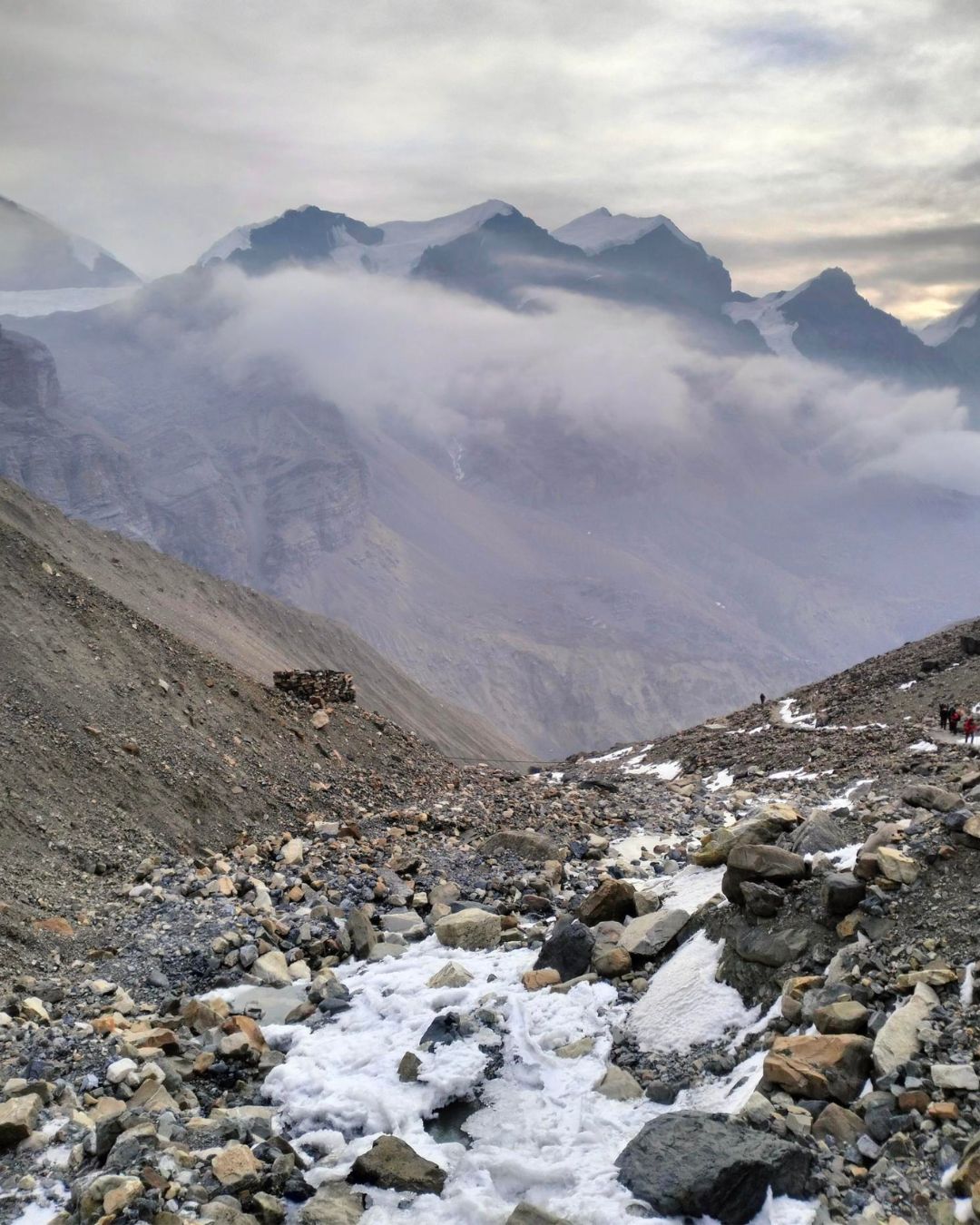
Annapurna Circuit Trek is one of the most iconic and diverse long-distance trekking adventures in Nepal, taking you deep into the heart of the Annapurna region. This classic Himalayan journey circles the Annapurna massif, crossing dramatic valleys, alpine forests, ancient villages, and the legendary Thorong La Pass (5,426m), one of the highest trekking passes in the world.
Designed and operated by Adventure Himalaya Nepal, this carefully crafted 16-day Annapurna Circuit Trek package offers a perfect balance of adventure, acclimatization, cultural immersion, and comfort. From the bustling streets of Kathmandu and UNESCO World Heritage Sites to remote mountain settlements like Manang, Pisang, and Yak Kharka, and finally to the sacred pilgrimage site of Muktinath Temple, every day brings a new landscape and experience.
The trek follows the Marsyangdi River valley through subtropical forests, terraced farmlands, and pine-covered hills before entering the high-altitude desert of Mustang. Along the way, trekkers are rewarded with breathtaking views of Annapurna I, II, III, IV, Dhaulagiri, Manaslu, Nilgiri, Lamjung Himal, Himlung Himal, and Gangapurna.
Why Choose the Annapurna Circuit Trek?
The Annapurna Circuit Trek is often described as one of the most rewarding and diverse trekking routes in the world. What makes it truly special is the way it combines dramatic Himalayan scenery, deep cultural encounters, and a genuine sense of adventure into one unforgettable journey. Here are the key reasons why this iconic trek continues to captivate trekkers from around the globe:
Unmatched landscape diversity
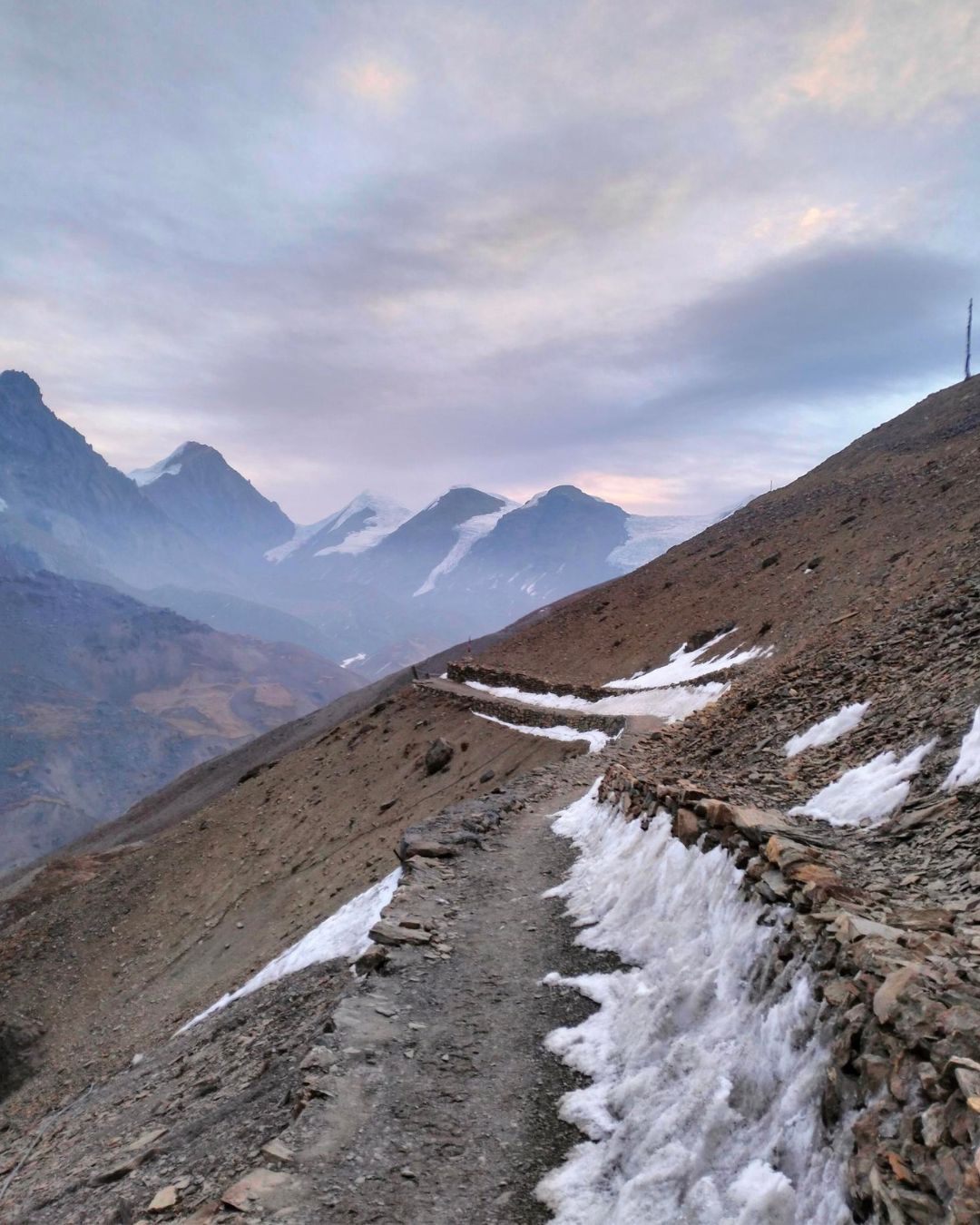
The trek takes you through an astonishing range of landscapes in a single journey. You begin in lush subtropical valleys with terraced rice fields, cross pine and rhododendron forests, and gradually ascend into alpine meadows and high-altitude deserts. This constant change in scenery makes every day feel different and keeps the experience fresh and exciting.
Cross the legendary Thorong La Pass (5,416m)
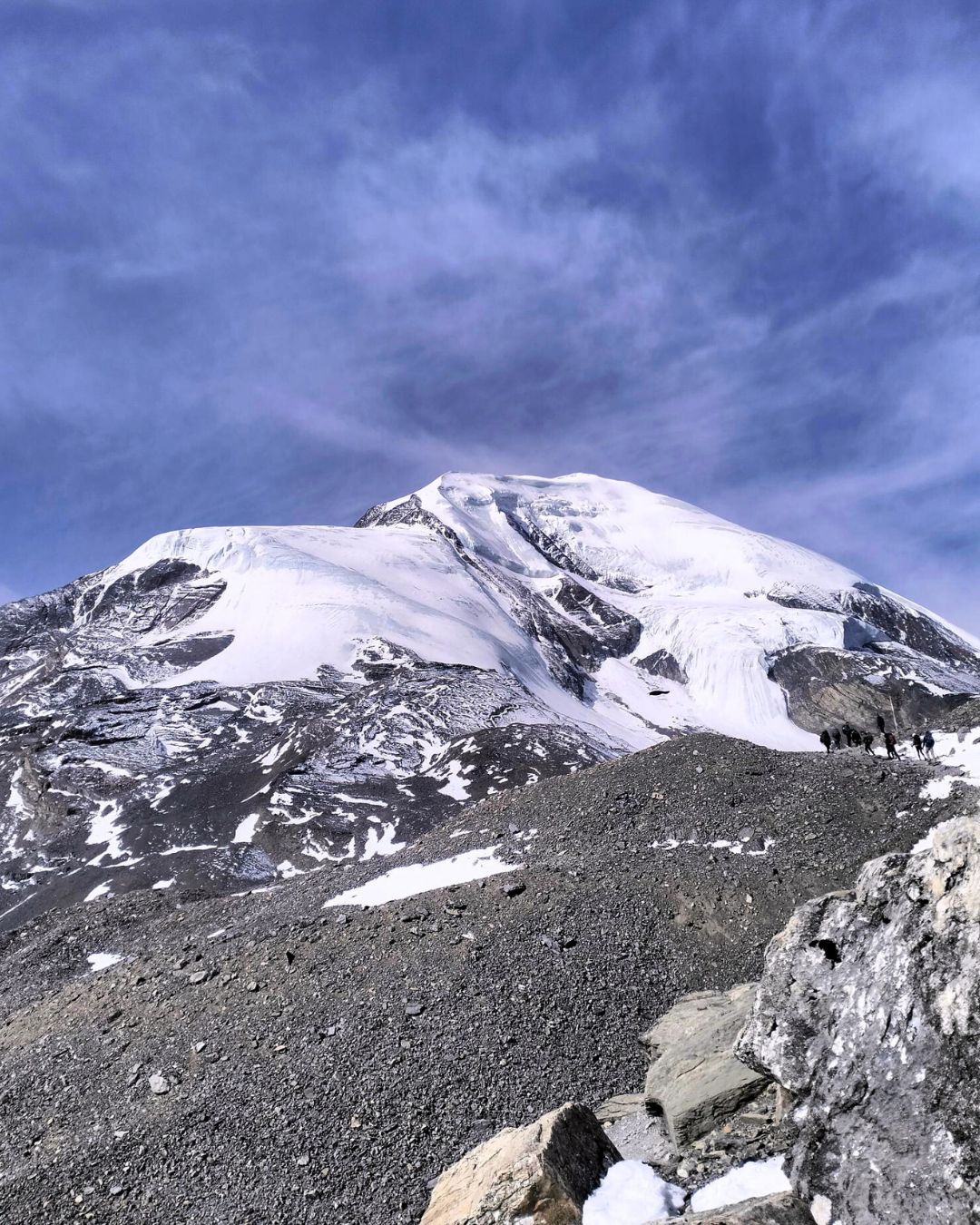
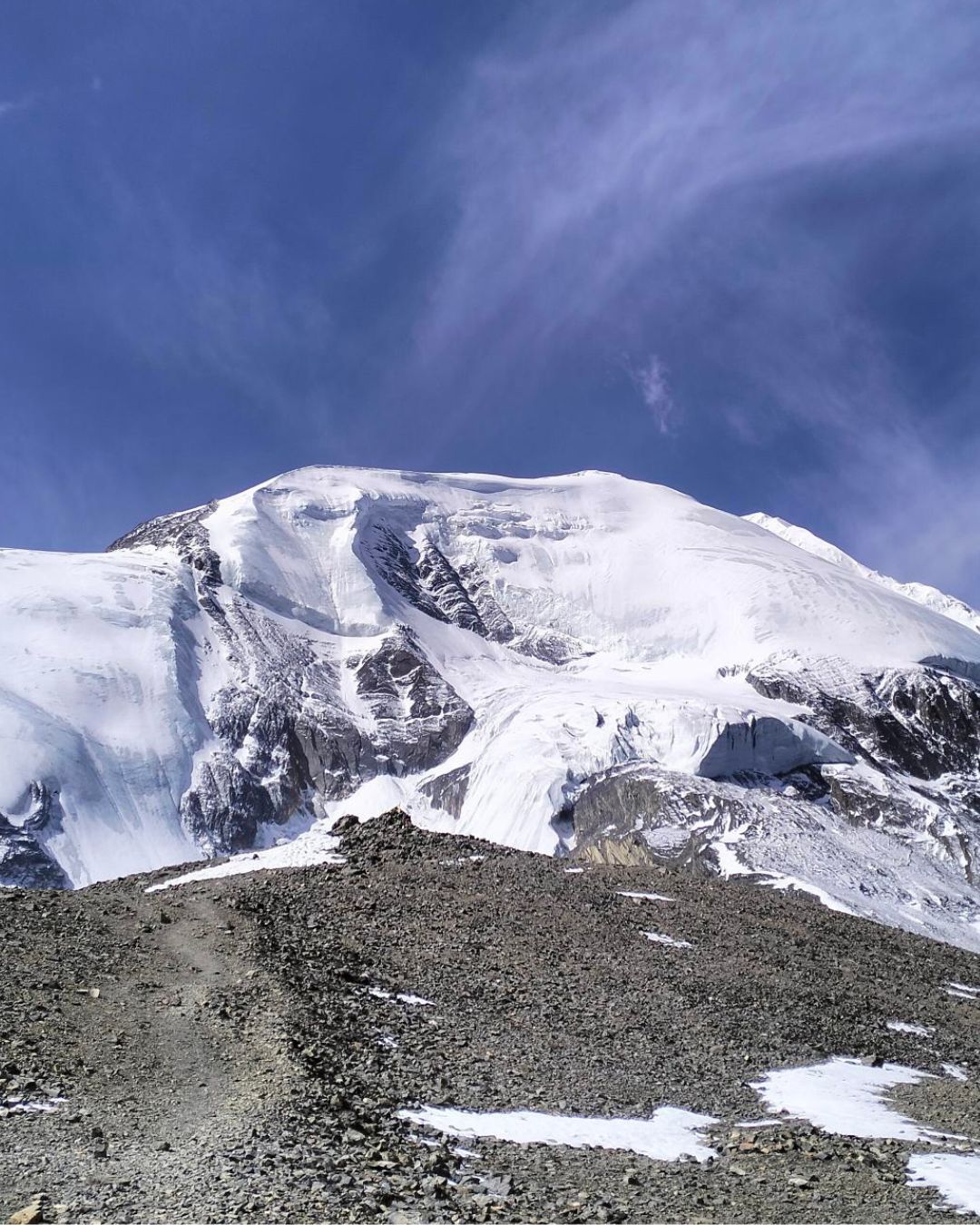
One of the biggest highlights of the Annapurna Circuit Trek is crossing Thorong La Pass, one of the highest trekking passes in the world. Reaching the top is both physically and emotionally rewarding, offering panoramic views of the Annapurna, Dhaulagiri, and Manaslu ranges. For many trekkers, this moment is the ultimate achievement of the entire journey.
Rich cultural experience and authentic villages
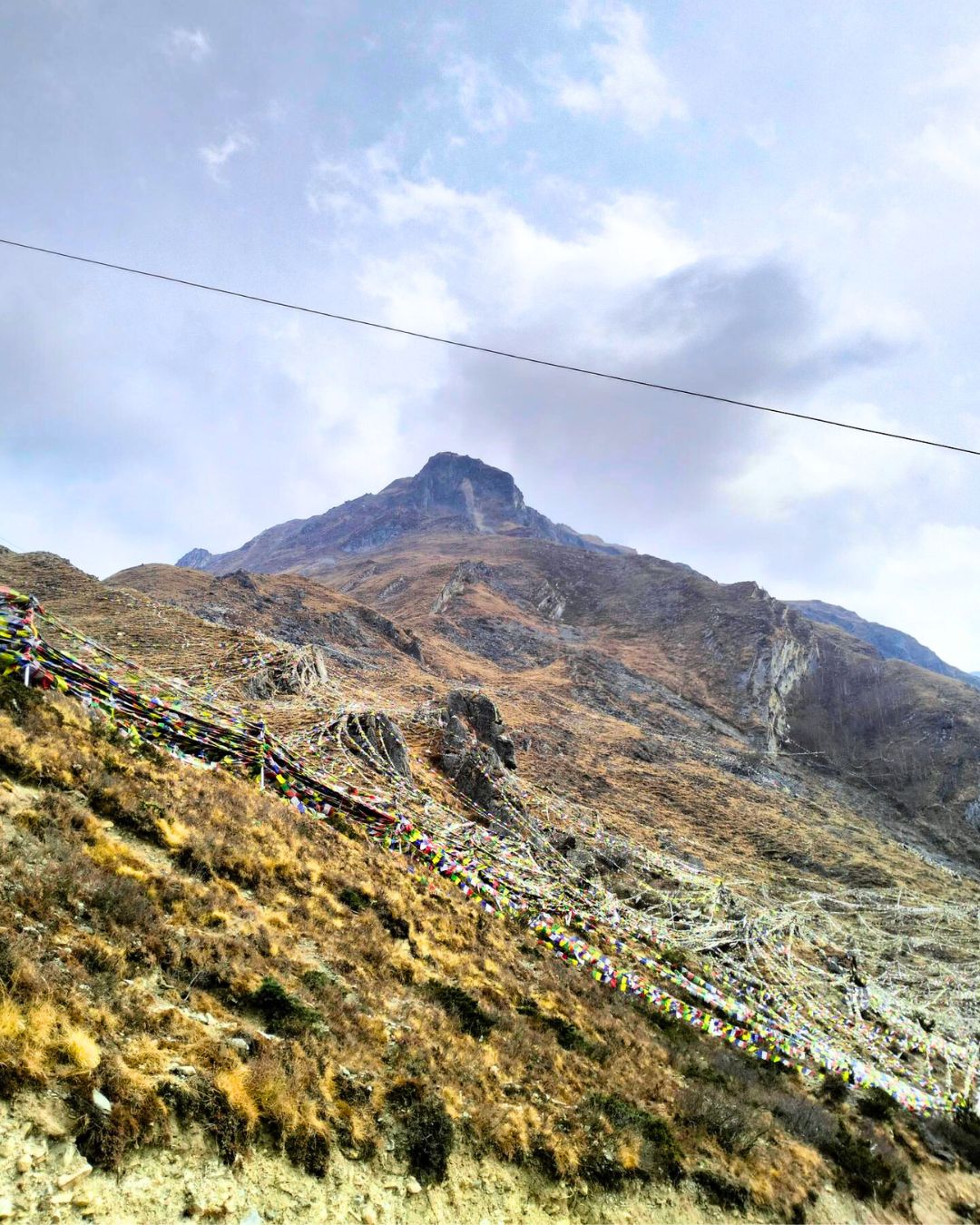
Unlike treks that focus mainly on mountain views, the Annapurna Circuit also offers deep cultural immersion. You pass through traditional Gurung, Thakali, and Tibetan-influenced villages, where prayer flags flutter in the wind and centuries-old monasteries still play an active role in daily life. Staying in local tea houses allows you to experience warm Nepali hospitality and genuine village life.
A classic trail with comfortable teahouse trekking
The Annapurna Circuit is a well-established trekking route with comfortable tea house lodges along the way. This means you can enjoy hot meals, cozy accommodation, and basic amenities without the need for camping. It is an ideal balance between adventure and comfort, especially for trekkers attempting a high-altitude trek for the first time.
Natural hot springs and spiritual highlights
After days of trekking, relaxing in the natural hot springs at Tatopani is a memorable reward. The trek also includes important spiritual sites such as Muktinath Temple, a sacred pilgrimage destination for both Hindus and Buddhists, adding a meaningful cultural and spiritual dimension to the journey.
Flexible itinerary and route variations
The Annapurna Circuit Trek can be customized to suit different timeframes, fitness levels, and interests. You can include side trips such as Tilicho Lake, shorten the trek with a flight from Jomsom, or extend it through the Kali Gandaki Valley. This flexibility makes it suitable for both first-time trekkers and seasoned adventurers.
Highlights
Itinerary
Price Includes
- Airport pick-up and drop-off by private vehicle
- Guided sightseeing tour in Kathmandu Valley
- 3 nights hotel accommodation in Kathmandu with breakfast
- 2 nights hotel accommodation in Pokhara with breakfast
- Licensed English-speaking trekking guide
- Trekking permits and TIMS card
- Porter service (1 porter for 2 trekkers)
- All meals (breakfast, lunch, dinner) during trek
- Teahouse accommodation during trek
- First aid medical kit
Price Excludes
- International airfare and Nepal visa fees
- Lunch and dinner in Kathmandu and Pokhara (except breakfast)
- Personal expenses (laundry, drinks, Wi-Fi, charging, etc.)
- Entrance fees at temples and monasteries during sightseeing
- Travel and rescue insurance
- Extra accommodation due to early arrival or late departure
- Tips for guide and porters
Altitude
Essential Information
Best Time to Trek
• Spring (March–May): Clear skies, blooming rhododendrons
• Autumn (September–November): Best weather and visibility
Difficulty Level
Moderate to challenging. Suitable for trekkers with good physical fitness and prior trekking experience.
Altitude Consideration
Proper acclimatization is included to minimize altitude sickness risk.
What to Pack
Clothing
• Moisture-wicking base layers (thermal tops and bottoms)
• Insulating mid-layers (fleece or light down jacket)
• Heavy down jacket for high altitude
• Waterproof and windproof outer shell jacket and pants
• Trekking pants and comfortable hiking shirts
• Warm hat, sun hat, and neck gaiter/buff
• Gloves (inner and insulated outer gloves)
• Comfortable sleepwear
Footwear
• Sturdy, well-broken-in trekking boots
• Lightweight sandals or camp shoes for evenings
• Wool or synthetic trekking socks (multiple pairs)
Trekking Gear & Equipment
• Sleeping bag (rated at least -10°C to -15°C)
• Trekking poles
• Daypack (25–35 liters)
• Duffel bag (for porter use)
• Headlamp with extra batteries
• Sunglasses with UV protection
Personal & Health Items
• Sunscreen (SPF 30+), lip balm
• Personal toiletries and towel
• Basic first aid kit and personal medications
• Water bottles or hydration bladder
• Water purification tablets or filter
Documents & Extras
• Passport and passport-sized photos
• Travel insurance documents
• Camera, power bank, and spare memory cards
What to Know Before the Trek
• Fitness Preparation: Regular cardio, hiking, or stair climbing before arrival is highly recommended.
• Altitude Awareness: Walk slowly, stay hydrated, and follow the guide’s advice at all times.
• Accommodation: Teahouses are basic but comfortable; rooms are twin-sharing with shared bathrooms at higher altitudes.
• Meals: Meals are freshly prepared; vegetarian food is widely available and recommended at higher elevations.
• Drinking Water: Bottled water is available but we encourage refilling with purified water to reduce plastic waste.
• Connectivity: Mobile network and Wi-Fi are available in some villages for an extra cost.
• Money: Carry enough Nepali cash; ATMs are limited after Besisahar/Chame.
Trek Difficulty & Who This Trek Is For
The Annapurna Circuit Trek is considered moderate to challenging due to its long duration, high altitude, and the crossing of Thorung La Pass.
It is suitable for:
• Adventure travelers with good physical fitness
• Trekkers with some prior hiking experience
• Beginners with strong determination and proper preparation
Not recommended for travelers with severe heart or respiratory conditions without medical clearance.
Best Season for Annapurna Circuit Trek
• Spring (March–May): Stable weather, blooming rhododendrons, excellent mountain views
• Autumn (September–November): Best visibility, dry trails, ideal trekking conditions
• Winter (December–February): Cold and snowy at high passes (only for experienced trekkers)
• Monsoon (June–August): Lush landscapes but slippery trails and limited views
Food & Accommodation During the Trek
Accommodation during the Annapurna Circuit Trek is in local teahouses. These family-run lodges provide basic but warm rooms, usually on a twin-sharing basis. Blankets are provided, but a sleeping bag is strongly recommended.
Meals include Nepali dal bhat, noodles, pasta, rice dishes, soups, momos, eggs, and pancakes. Dal bhat is highly recommended as it is nutritious and often comes with free refills.
FAQs
The Annapurna Circuit Trek is moderately challenging and suitable for trekkers with good fitness and proper acclimatization.
Thorong La Pass at 5,416 meters is the highest point.
The trek usually takes 12–16 days depending on the route and pace.
Yes, hiring a licensed guide is mandatory and highly recommended for safety and cultural insight.
You need ACAP and a TIMS card.
Spring (March–May) and autumn (September–November) are the best seasons.
Yes, with preparation, training, and a gradual itinerary.
Yes, proper acclimatization is essential to reduce the risk.
It is popular but less crowded than Everest Base Camp in many sections.
Yes, the itinerary can be tailored to your time and fitness level.