
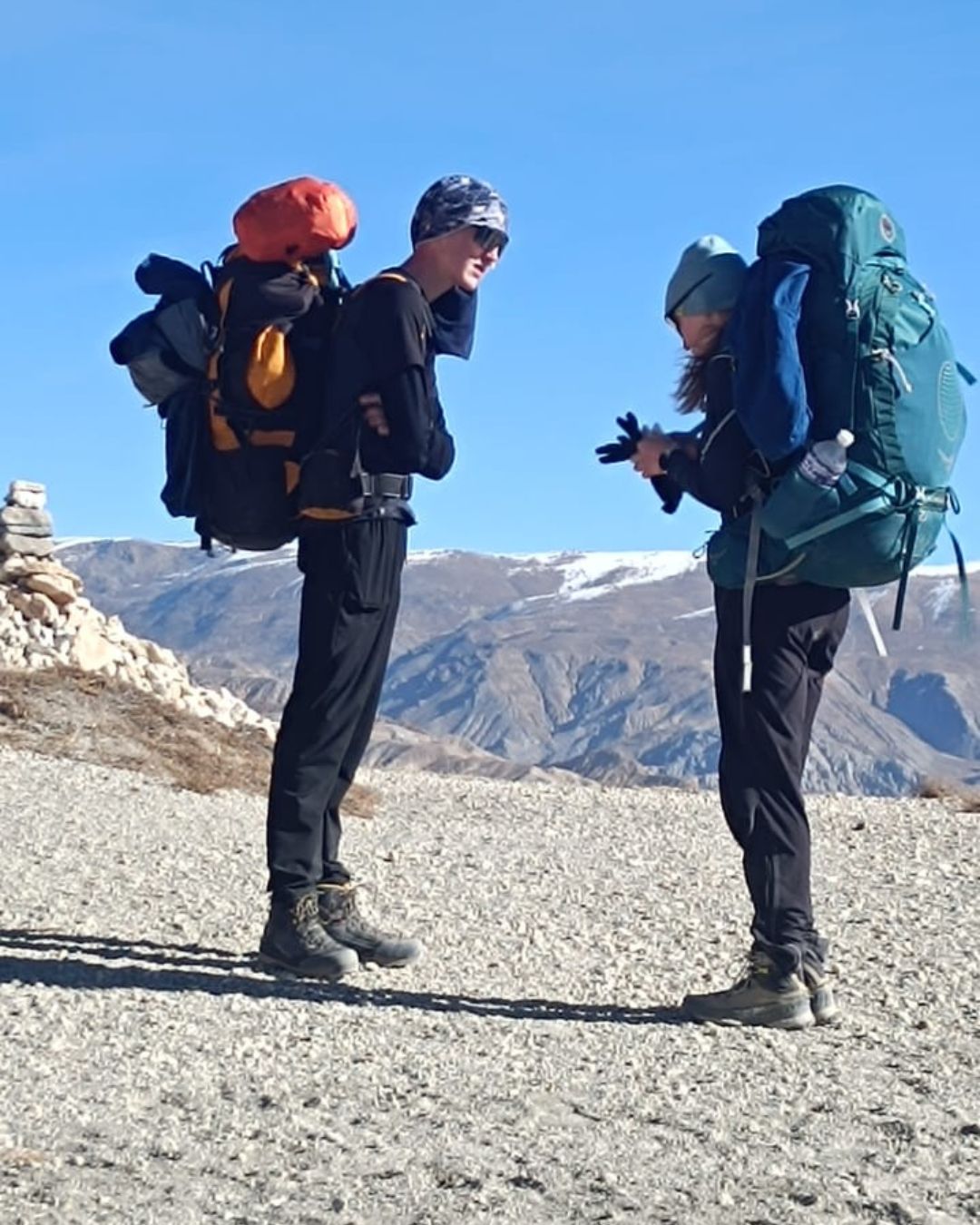
LOWER MUSTANG TREK- FULL ITINERARY & COST DETAILS
- Nepal See on map
-
Duration 10 Nights /11 Days
-
Difficulty Moderate
-
Region MUSTANG REGION
-
Activity Nepal Trekking
-
Max. Altitude 3800
-
Best Season Mar-Jun, Sep-Dec
-
Start/End Point Kathmandu
-
Group Size 1-12 People
Lower Mustang Trek is a fascinating Himalayan journey that blends dramatic landscapes, deep-rooted culture, and moderate adventure in one of Nepal’s most unique regions. Situated in the rain-shadow area of the Annapurna Himalayas, Lower Mustang offers a striking contrast to the greener hills of central Nepal. This trek follows the legendary Kali Gandaki Valley, the world’s deepest gorge, carved between the towering peaks of Annapurna I and Dhaulagiri.
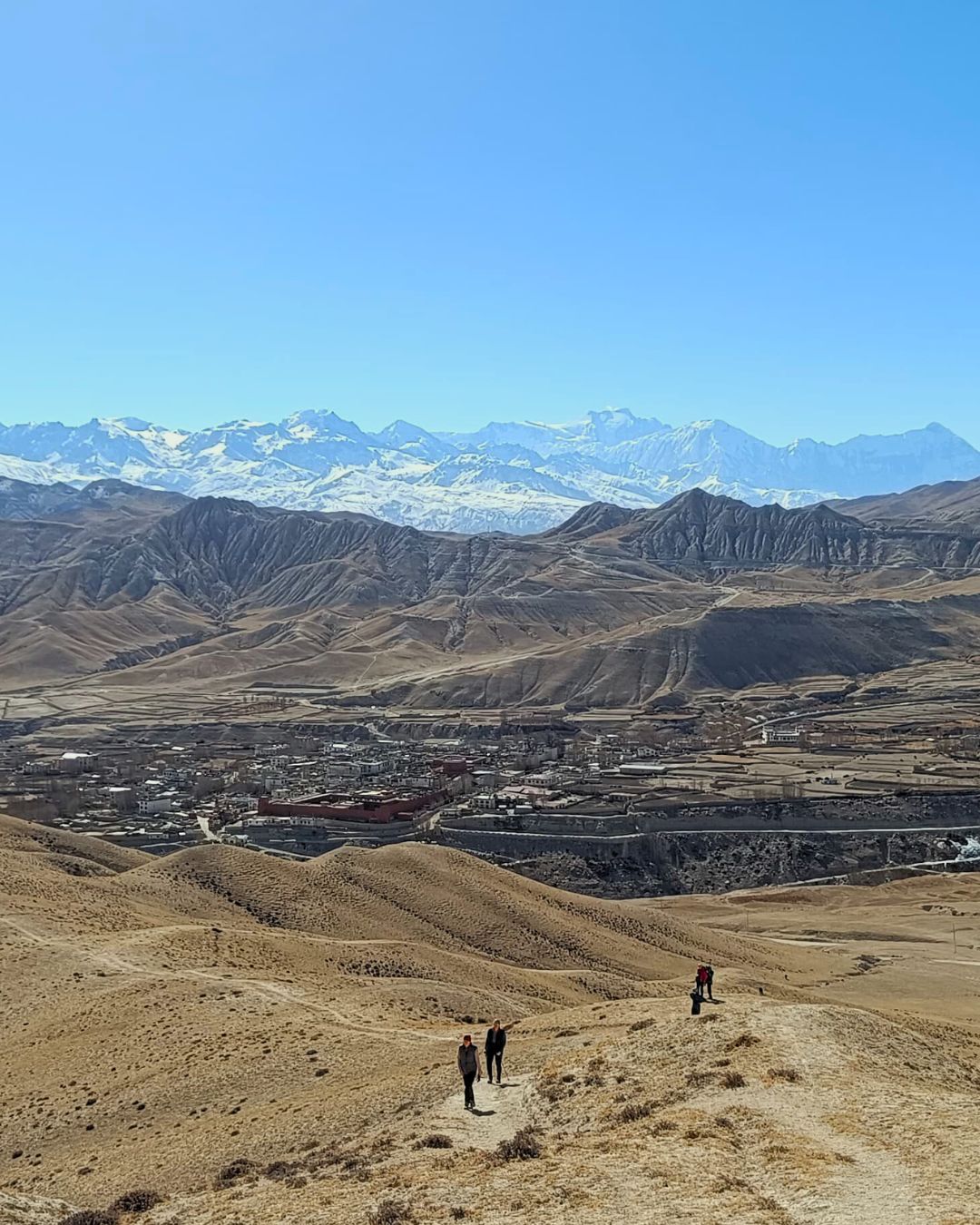
Lower Mustang is renowned for its strong Tibetan and Thakali cultural influence, ancient monasteries, whitewashed villages, prayer flags, mani walls, and traditional lifestyles that have remained unchanged for generations. Unlike Upper Mustang, Lower Mustang does not require a restricted area permit, making it more accessible while still providing an authentic trans-Himalayan experience.
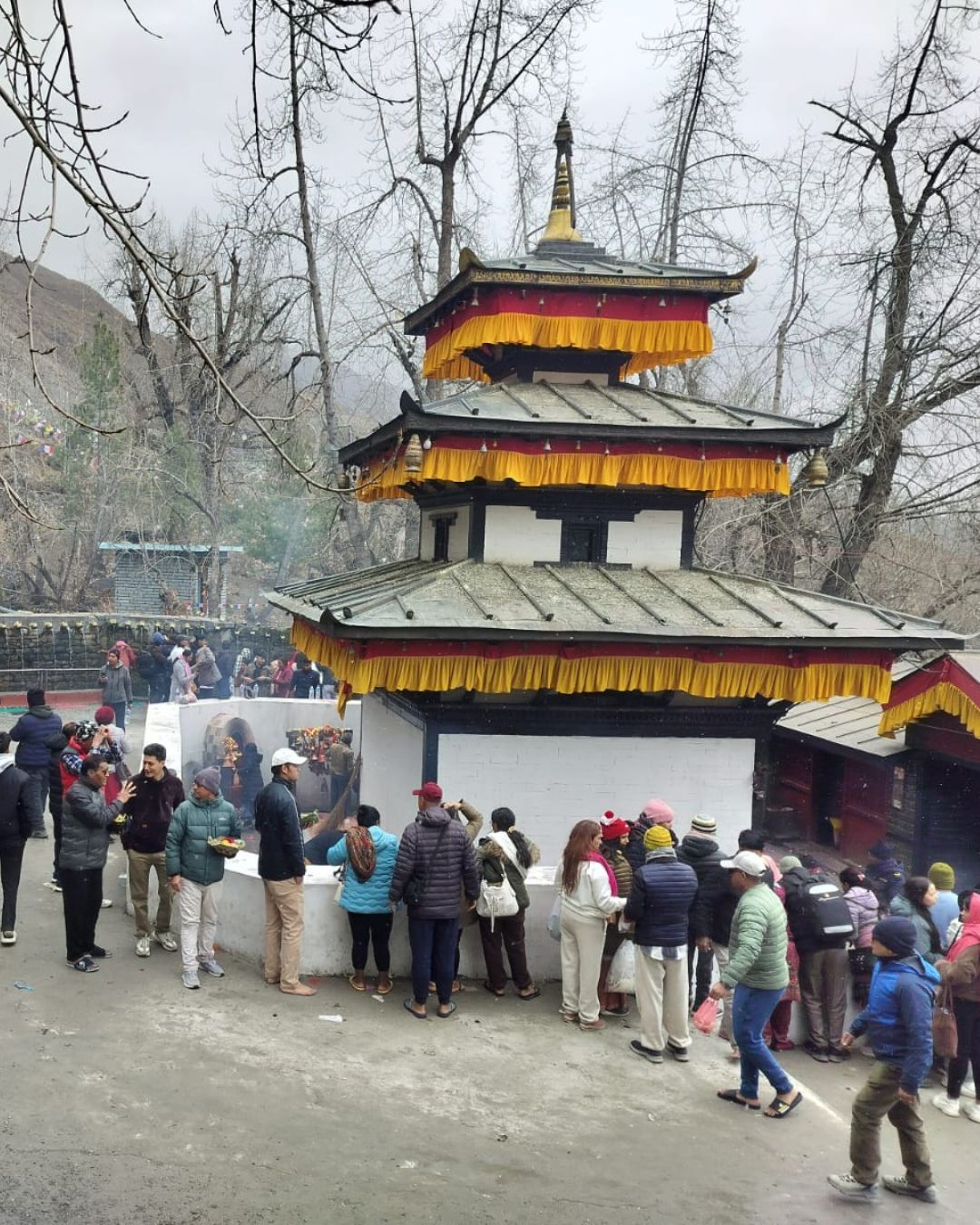
The trek usually begins from Jomsom after a scenic drive or flight from Pokhara and gradually ascends through historic villages such as Kagbeni, Chele, Syangboche, and Jharkot, before reaching the sacred pilgrimage site of Muktinath (3,710 m). Revered by both Hindus and Buddhists, Muktinath is one of the spiritual highlights of the trek, believed to be a place of liberation and salvation.
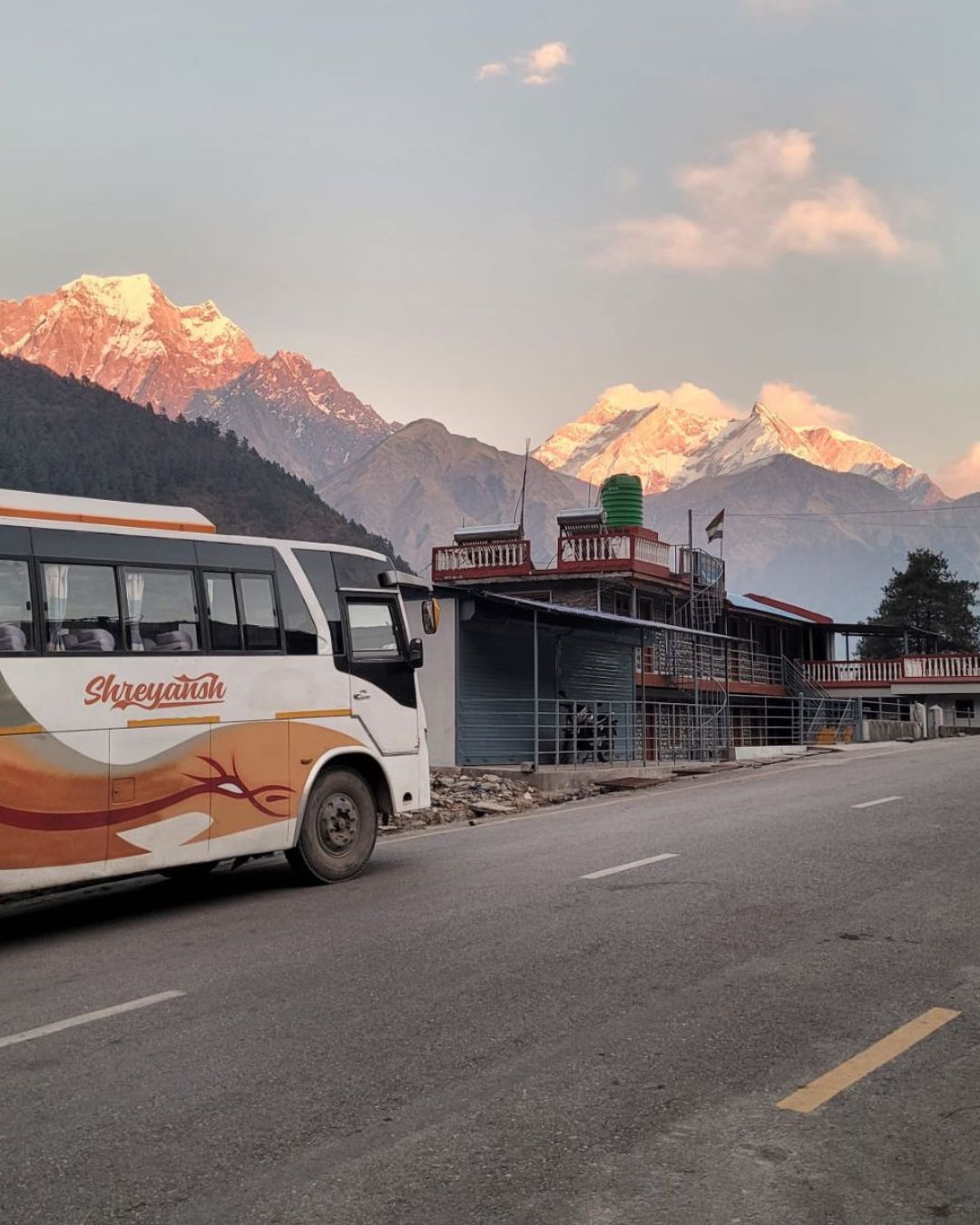
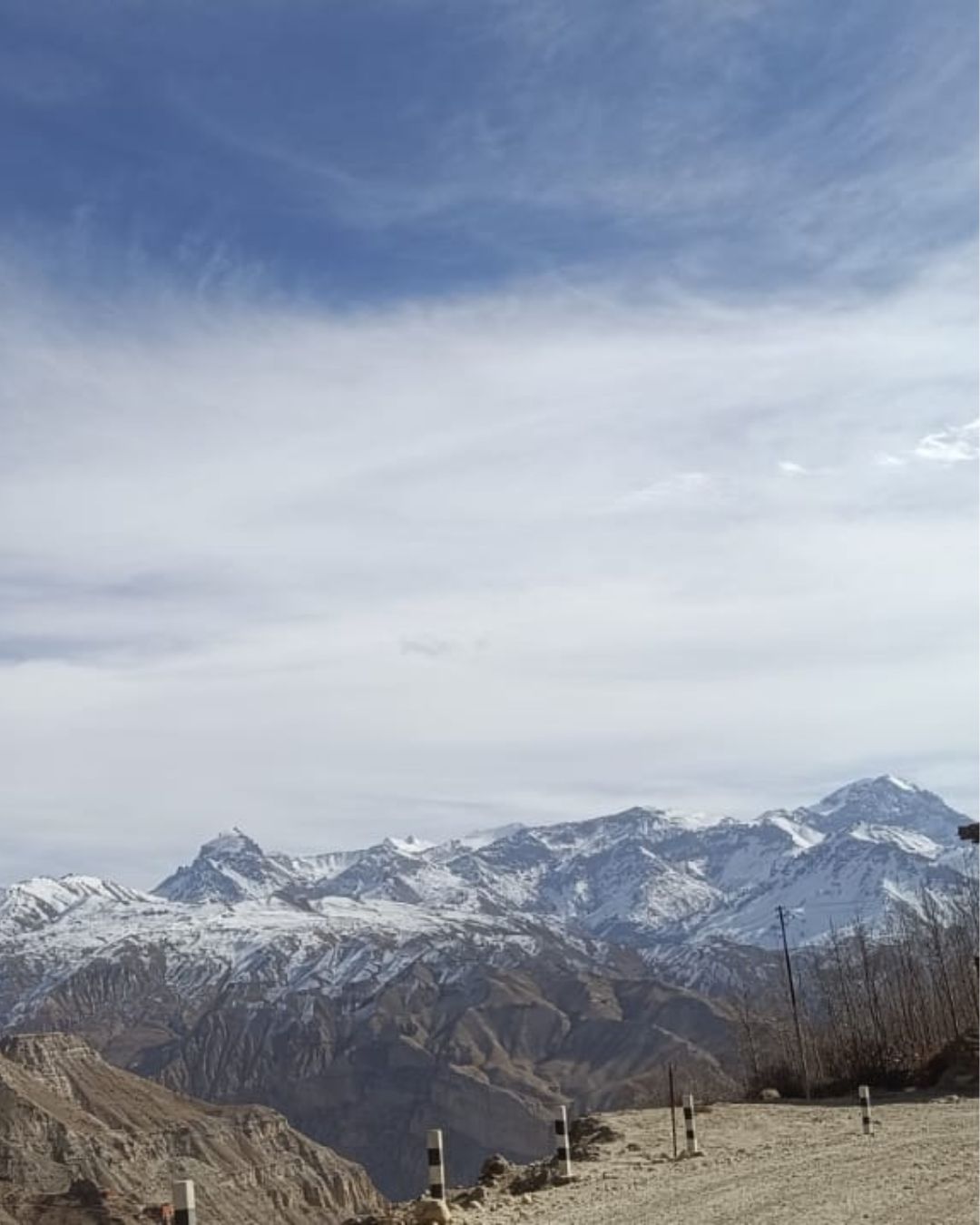
Throughout the journey, trekkers are rewarded with breathtaking views of Nilgiri, Dhaulagiri, Annapurna, Tukuche Peak, and Tilicho Peak, alongside apple orchards, wind-sculpted cliffs, desert-like terrain, and traditional flat-roofed houses. The Lower Mustang Trek is ideal for trekkers who want a culturally immersive Himalayan adventure without extreme altitude or technical difficulty.
Lower Mustang Trek is designed by Adventure Himalaya Nepal, this trek emphasizes safety, cultural respect, gradual acclimatization, and authentic local experiences, making it suitable for first-time trekkers as well as seasoned travelers.
Why choose Lower Mustang Trek:
- Unique Tibetan culture preserved for centuries
- Moderate altitude trekking (highest 3,800 m)
- Ancient monasteries and traditional villages
- Stunning desert-like landscapes alongside green river valleys
- Sacred pilgrimage at Muktinath
Highlights
Itinerary
Price Includes
- Airport transfers in Kathmandu
- Hotel accommodation in Kathmandu and Pokhara (twin sharing)
- Teahouse accommodation during the trek
- All meals during the trek (breakfast, lunch, dinner)
- Licensed English-speaking trekking guide
- Porter service as per group size(1 porter for 2 trekkers)
- ACAP and TIMS permits
- Ground transportation as per itinerary
- First-aid kit and trek management support
Price Excludes
- International airfare
- Nepal visa fees
- Personal trekking equipment
- Travel insurance (mandatory)
- Extra meals in Kathmandu and Pokhara
- Drinks, snacks, and personal expenses
- Tips for guides and porters
Altitude
Temperature Condition
Essential Information
Essential Information – Lower Mustang Trek
Trek Duration
The Lower Mustang Trek is typically 11 days, including arrival and departure from Kathmandu. This duration allows sufficient time for acclimatization, cultural exploration, and enjoying the unique landscapes of Mustang. The trek is flexible and can be customized to shorter 9-day versions or extended itineraries if combining with Annapurna or Muktinath side trips.
Maximum Altitude
The highest point of the trek is Syangboche (3,800 m). When trekking to Muktinath and back, daily altitude changes are moderate, reducing the risk of severe altitude sickness. This makes the Lower Mustang Trek accessible to a wide range of trekkers, including beginners with good fitness levels.
Trek Difficulty
Rated as moderate, the trek involves 5–7 hours of walking daily over well-established trails, with gentle ascents and descents. The terrain is a mix of gravel paths, dry desert tracks, rocky trails, and small river crossings. Trekkers should have basic cardio fitness, leg strength, and stamina for consecutive days of walking.
Best Time to Trek
The best seasons for trekking are:
Accommodation
Accommodation is in local teahouses and lodges along the trail. Teahouses provide twin-sharing rooms, basic bedding, and communal bathrooms. In larger villages like Jomsom and Kagbeni, facilities are better, while in smaller settlements like Chele and Syangboche, the amenities are simpler. Some lodges offer hot showers at an extra cost.
Meals and Drinking Water
Trekkers are served three meals per day during the trek: breakfast, lunch, and dinner. Meals include Nepali, Tibetan, and basic Western cuisine, such as:
Vegetarian and vegan options are widely available. Drinking water should be treated—most teahouses provide boiled or filtered water. Trekkers are encouraged to carry reusable water bottles and purification tablets.
Trekking Gear and Equipment
Recommended essential gear includes:
Health and Safety
Cultural Etiquette
Communication and Connectivity
Currency and Banking
Weather and Clothing
Trek Preparation
Safety Tips
Additional Notes
FAQs
Yes, moderate altitude and well-established trails make it beginner-friendly.
No, restricted permits are not required for Lower Mustang.
Syangboche at 3,800 meters.
Risk is moderate; proper acclimatization is important.
Best seasons are spring and autumn; winter is possible with preparation.
Teahouses and lodges along the trail.
Yes, widely available.
Yes, it is required for all trekkers.
Yes, Adventure Himalaya Nepal offers customized itineraries.
Muktinath Temple, monasteries, prayer flags, and traditional villages.
Approximately 5–7 hours per day.
Experienced guides, safety-focused operations, and authentic Himalayan experiences.