
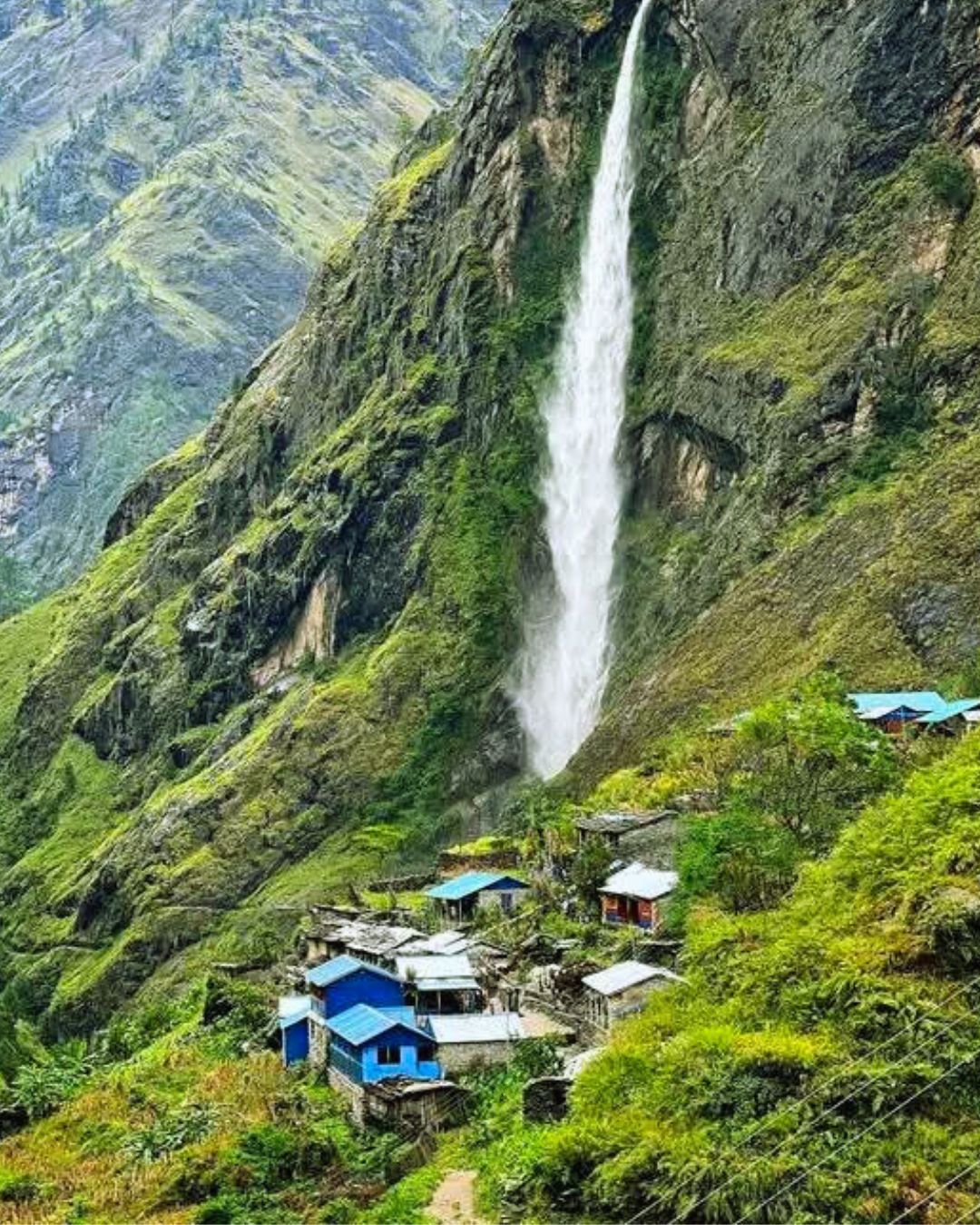
TSUM VALLEY TREK
- Nepal See on map
-
Duration 16 Nights/17 Days
-
Difficulty Moderate
-
Region MANASLU REGION
-
Activity Nepal Trekking
-
Max. Altitude 3700m
-
Best Season Mar-Jun, Sep-December
-
Start/End Point Kathmandu
-
Group Size 1-12 People
TSUM VALLEY TREK: A REMARKABLE SEVENTEEN-DAY JOURNEY INTO A HIDDEN HIMALAYAN SANCTUARY AND A MUST-DO ADVENTURE
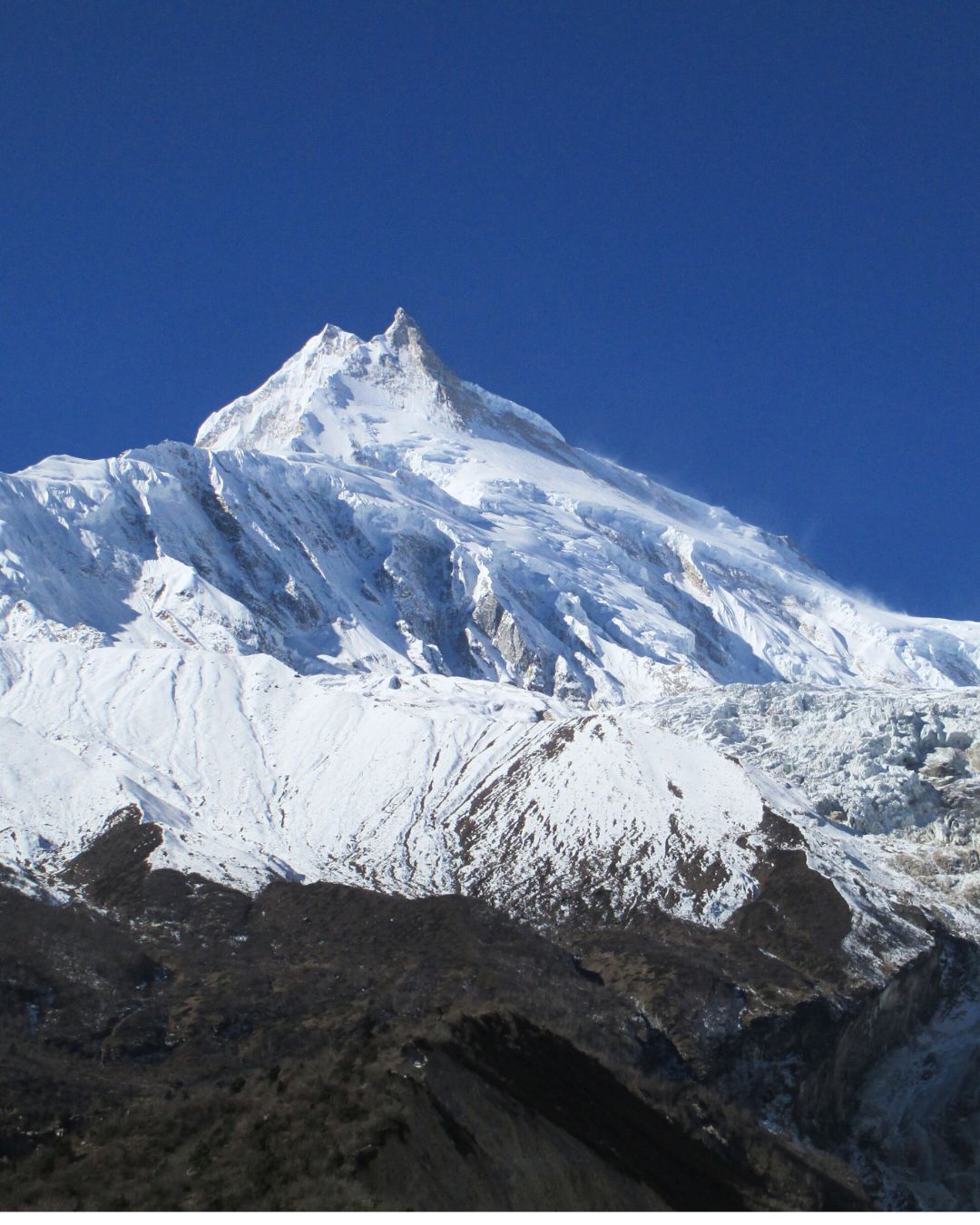
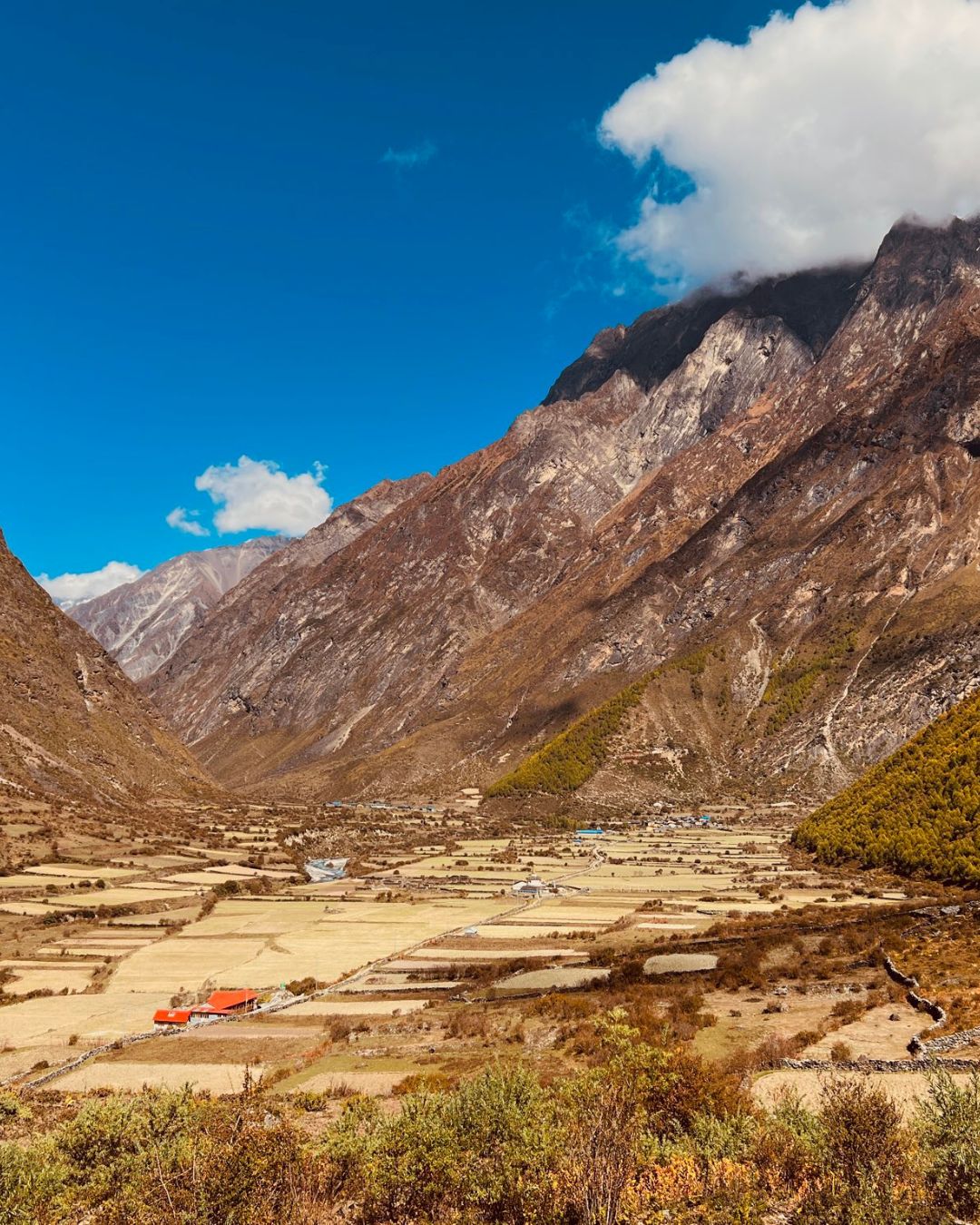
Tsum Valley Trek is a remarkable seventeen-day journey into one of Nepal’s most sacred and least-explored Himalayan regions. Nestled deep within the Manaslu region, Tsum Valley remains a true cultural sanctuary, protected from modern influence and rich in ancient Tibetan Buddhist traditions. Known locally as “tsombo,” meaning vivid, the valley lives up to its name through colorful prayer flags, sacred monasteries, and a spiritual atmosphere that can be felt at every step. Blessed by Guru Rinpoche as the “hidden valley of happiness,” Tsum Valley offers trekkers an experience that is as spiritual as it is adventurous.
The journey begins with a scenic drive from Kathmandu to Arughat, the gateway to both the Manaslu and Tsum Valley trekking routes. From here, the trail follows the roaring Budhi Gandaki River, passing through traditional villages such as Soti Khola, Maccha Khola, Jagat, and Ekle Bhatti. These early days provide a gradual transition from lowland landscapes to deeper mountain terrain, with terraced fields, waterfalls, suspension bridges, and welcoming teahouses along the way.
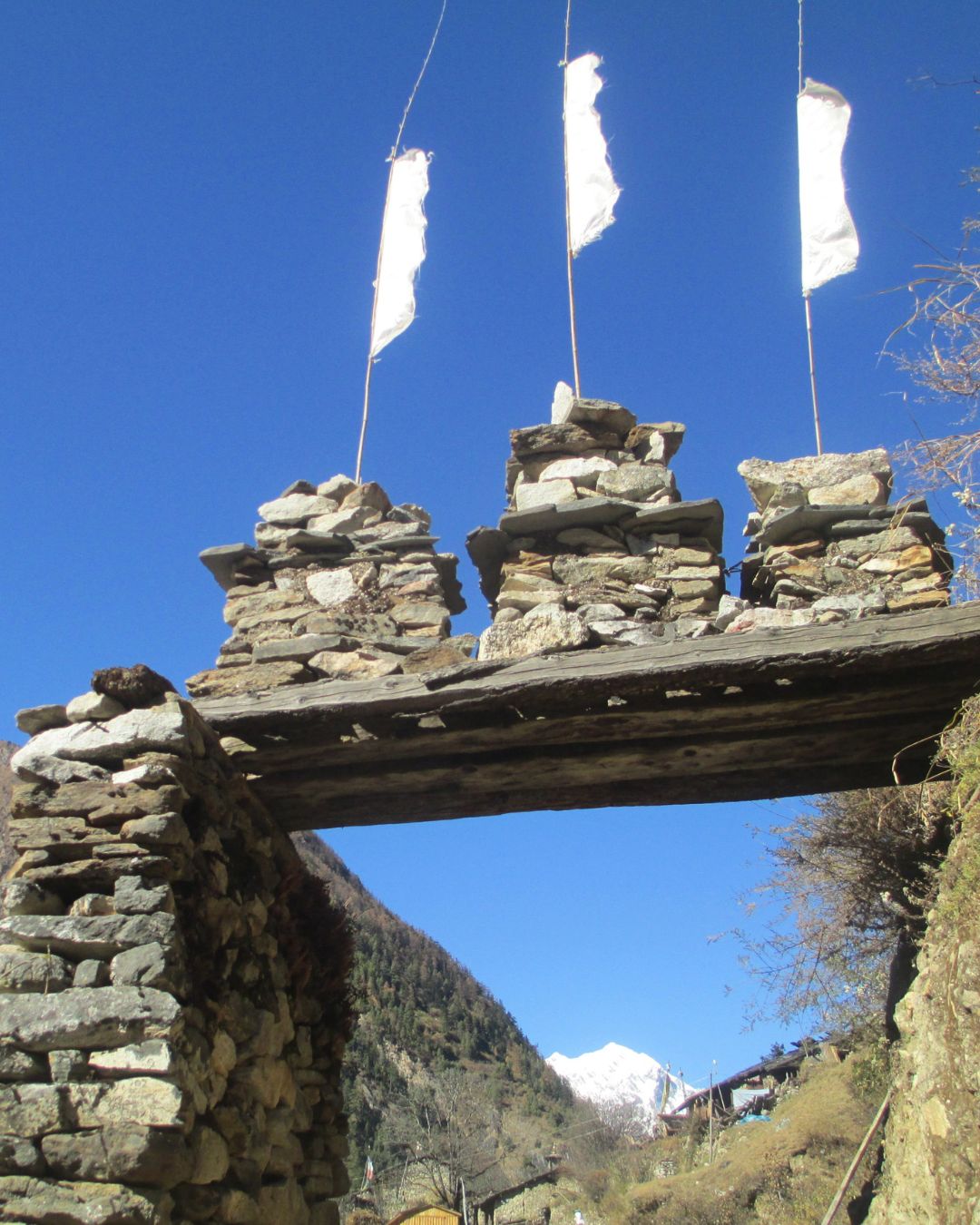
After Ekle Bhatti, the trail leaves the main Manaslu route and ascends northeast into the heart of Tsum Valley. The atmosphere changes noticeably as the path enters a quieter and more spiritual world. Remote villages, ancient mani walls, and prayer wheels mark the entrance to a valley where Tibetan culture has remained intact for centuries. Trekkers continue through Chhokang Paro and Nile, surrounded by expansive alpine scenery and dramatic mountain backdrops.
The highlight of the Tsum Valley Trek is reaching Mu Gompa, the highest and most sacred point of the journey. This ancient monastery serves as the spiritual center of the valley and offers breathtaking views of the surrounding Himalayan peaks. Spending time here allows trekkers to witness monastic life, participate in morning prayers, and experience a rare sense of peace found only in such isolated regions.
Exploring Tsum Valley over several days feels like stepping into a living cultural museum. Monasteries more than a hundred years old, traditional stone houses, and a lifestyle centered around faith and community reflect a way of life untouched by time. Yak and mule caravans moving along the trails, locals dressed in traditional attire, and warm hospitality create meaningful cultural encounters that leave a lasting impression.
As the trek descends from the upper valley, the route reconnects with the Manaslu Circuit at Deng, blending the spiritual calm of Tsum Valley with the dramatic diversity of the Manaslu region. The landscape shifts once again, moving through dense forests of pine and rhododendron, deep gorges, and rugged mountain terrain that define the Manaslu Himalayas.
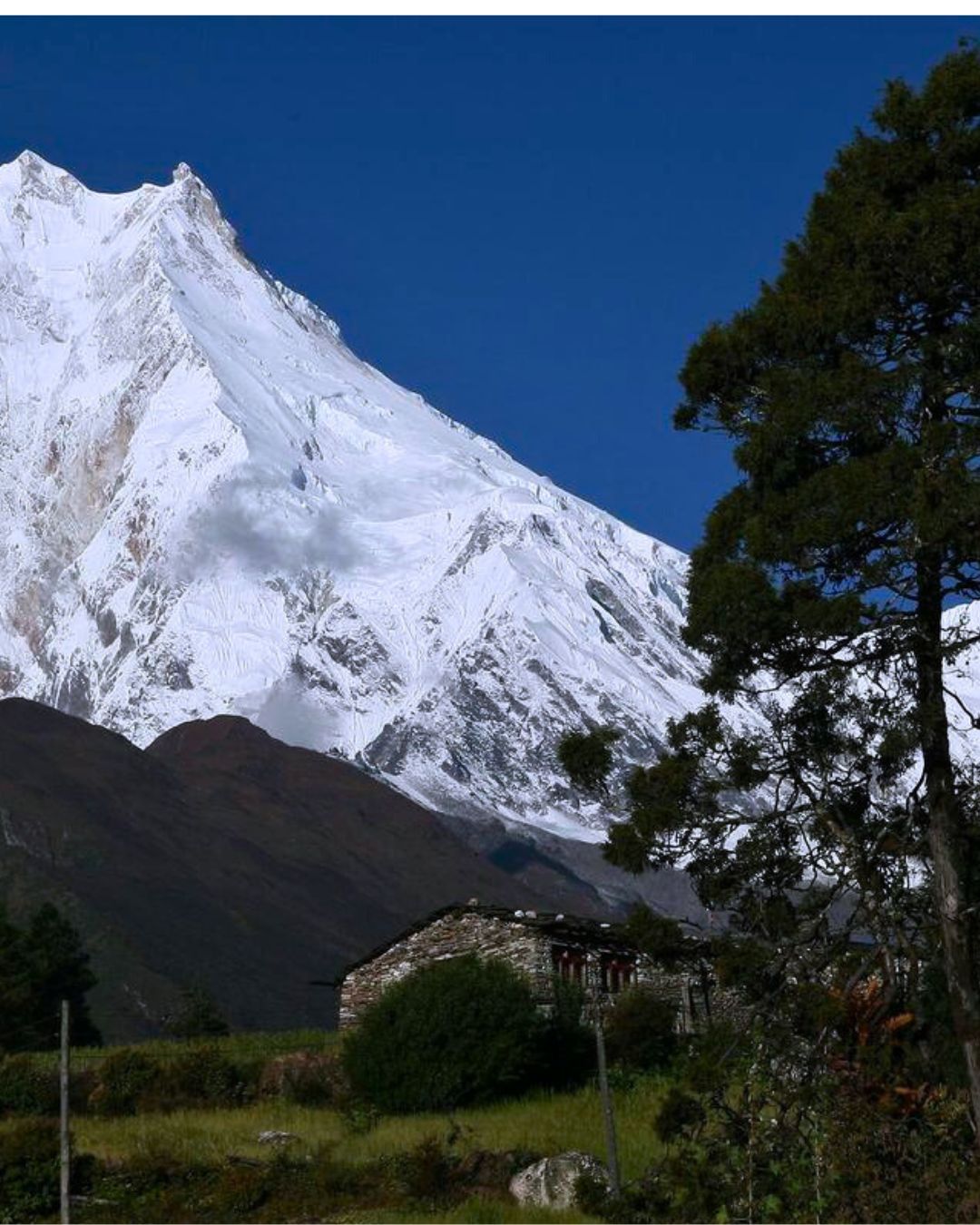
The Tsum Valley and Manaslu trek is ideal for trekkers seeking more than just physical challenge. With panoramic views of Ganesh Himal and Siringi Himal, untouched wilderness, and a deeply spiritual environment, this journey offers a perfect balance of nature, culture, and serenity. Far from crowded trails, the Tsum Valley Trek stands out as one of Nepal’s most immersive and soul-enriching Himalayan adventures.
For trekkers seeking the ultimate Himalayan journey, Tsum Valley can be seamlessly combined with the Manaslu Circuit Trek, creating an extended adventure rich in culture, scenery, and high mountain challenge. This combined route allows travelers to explore the sacred calm of Tsum Valley before continuing deeper into the rugged heart of the Manaslu region. After reconnecting at Deng, the trail gradually ascends through dramatic gorges, alpine forests, and remote highland villages, building toward one of Nepal’s most spectacular trekking experiences.
The journey reaches its pinnacle at Larkya La Pass (5,160 m), the highest point of the Manaslu Circuit and a breathtaking test of endurance and spirit. Crossing this legendary pass rewards trekkers with awe-inspiring views of Manaslu, Himlung Himal, Cheo Himal, and Annapurna II, stretching endlessly across the horizon. After the pass, the trail descends into the beautiful alpine meadows of Bimthang, completing a journey that perfectly blends the spiritual depth of Tsum Valley with the raw grandeur and adventure of the Manaslu Circuit—an unforgettable Himalayan experience for true mountain explorers.
Highlights
Itinerary
Adventure Himalaya Nepal Offers this 17 days itinerary to Tsum Valley Trek.
And our journey will lead us to Ganesh Mountain Base Camp. After advancing further from the base camp, we reach to Chumling. Chumling is a lovely village located towards the southward direction of the elegant Shingri Himal. It is also known as the Lower Tsum.
After the journey to Mu Gumba, we reverse the trail back to the Nile. Overnight in the Nile. Next day commences bypassing Shiar Khola over a wooden bridge and proceed high above the river. We will come across a really beautiful naturally diversified locality which has rich flora and fauna. We reach to Mu Gompa, a big monastery. Mu Gompa is the last inhabited place in the Tsum Valley which is located in the highest and farthest point, established in 1895 at the height of 3510m. After lunch, we tour Mu Gompa and accompany a small path to a “hidden” nunnery: Dhephyodoma Gompa. Looking back, we can notice the river rumbling down and many mules and yaks coming back from China. After the journey to Mu Gumba, we reverse the trail back to the Nile.
Price Includes
- Complimentary airport picks up and drops off
- Complimentary welcome dinner
- Two-night stay in a standard hotel in Kathmandu with Breakfast included (twin share basis)
- All drive tickets from and to Kathmandu.
- All necessary special trekking permits for Tsum valley Manaslu Circuit Trek permit TIMS card, etc.
- All accommodation during the trek
- Three meals a day during the trek
- Complimentary duffel bag
- Government licensed and first-aid trained professional local guide who speaks English
- First-aid kit
- Staff insurance, meals, accommodation, equipment, transportation, etc.
- Rescue arrangements if necessary
- Agency service charge and government tax/VAT including airport tax
- Certificate of achievement
Price Excludes
- International airfare and Nepal visa fee
- Lunch and dinner in Kathmandu
- Riding horse along the trek
- Personal Insurance, personal expenses, loss of property and theft, etc.
- Sightseeing costs.
- All liquors, snacks, and additional charges such as laundry, hot showers, battery charging, Wi-Fi, etc.
- Gratitude and tips to staff
Altitude
Essential Information
Trek Duration
The Tsum Valley Trek typically takes 17 days, including arrival and departure days in Kathmandu. The itinerary allows proper acclimatization and enough time to explore the culturally rich villages and monasteries within the valley.
Maximum Altitude
The highest point of the trek is Mu Gompa (3,700 m). If combined with the Manaslu Circuit Trek, the highest elevation becomes Larkya La Pass (5,160 m).
Trek Difficulty
This trek is considered moderate. It is suitable for trekkers with reasonable fitness and some prior trekking experience. Daily walking hours range from 5 to 7 hours on varied terrain, including ascents, descents, and narrow mountain trails.
Best Time to Trek
The ideal seasons for the Tsum Valley Trek are:
Permits Required
The Tsum Valley Trek requires special trekking permits:
(Note :All permits are arranged by Adventure Himalaya Nepal.)
Accommodation
Accommodation is in local teahouses and lodges along the trail. Rooms are simple but comfortable, usually on a twin-sharing basis. Facilities become more basic as altitude increases.
Meals
Three meals a day are provided during the trek. The menu includes Nepali, Tibetan, and basic Western meals, such as dal bhat, noodles, soups, momos, and rice dishes. Vegetarian options are widely available.
Drinking Water
Safe drinking water is available through boiled water, filtered water, or purification tablets. We recommend avoiding plastic bottles and using reusable water bottles for environmental protection.
Trekking Guide & Safety
All treks are led by experienced, licensed local guides with strong knowledge of the Tsum Valley and Manaslu regions. Safety measures include first-aid kits, altitude awareness, and flexible itineraries for acclimatization.
Communication & Electricity
Mobile network coverage is limited and often unavailable in upper Tsum Valley. Electricity is mostly solar-powered, and charging devices may incur an extra cost at teahouses.
Travel Insurance
Comprehensive travel insurance covering high-altitude trekking and emergency evacuation is mandatory for this trek.
Physical Preparation
Trekkers should prepare with cardio exercises, hiking practice, and strength training before the trip. A positive attitude and slow, steady walking greatly enhance the trekking experience.
FAQs
Tsum Valley is located in the northern Gorkha district of Nepal, within the Manaslu region, close to the Tibetan border.
The standard Tsum Valley Trek takes around 17 days, including arrival, departure, and trekking days.
The highest point of the trek is Mu Gompa (3,700 meters). If combined with the Manaslu Circuit, the highest point becomes Larkya La Pass (5,160 meters).
The trek is moderate in difficulty. It involves long walking days and gradual ascents but does not require technical climbing skills.
Previous trekking experience is helpful but not mandatory. Good physical fitness and a positive mindset are essential.
The best times are spring (March–May) and autumn (September–November) for stable weather and clear mountain views.
No, the Tsum Valley Trek is less crowded compared to popular treks like Everest Base Camp or Annapurna, making it ideal for solitude seekers.
You need:
-Tsum Valley Restricted Area Permit
-Manaslu Conservation Area Permit (MCAP)
-ACAP if combining with Manaslu Circuit
All permits are arranged by Adventure Himalaya Nepal.
Yes, due to restricted area regulations, trekking with a licensed guide is mandatory.
Accommodation is in local teahouses and monasteries with basic but comfortable facilities.
Meals include Nepali, Tibetan, and simple Western dishes, such as dal bhat, noodles, soups, momos, and rice-based meals.
Yes, drinking water is available through boiled or filtered water. Trekkers are advised to carry purification tablets or filters.
Altitude sickness is less common due to gradual elevation gain, but proper acclimatization and hydration are still essential.
No, ATM facilities are not available along the trekking route. Trekkers should carry sufficient cash from Kathmandu.
Charging is available at some teahouses using solar power, usually for an additional cost. (but carrying powerbank will be advantage)
Mobile network coverage is limited and unreliable, especially in upper Tsum Valley. Internet access is minimal or unavailable.
Solo trekking is not permitted due to restricted area rules. Trekkers must be accompanied by a registered guide.
You may encounter blue sheep, Himalayan tahr, marmots, and various bird species, depending on season and luck.
Yes, it can be combined with the Manaslu Circuit Trek, including the crossing of Larkya La Pass.
Adventure Himalaya Nepal offers experienced local guides, carefully planned itineraries, safety-focused operations, and authentic cultural experiences, ensuring a smooth and memorable trek.