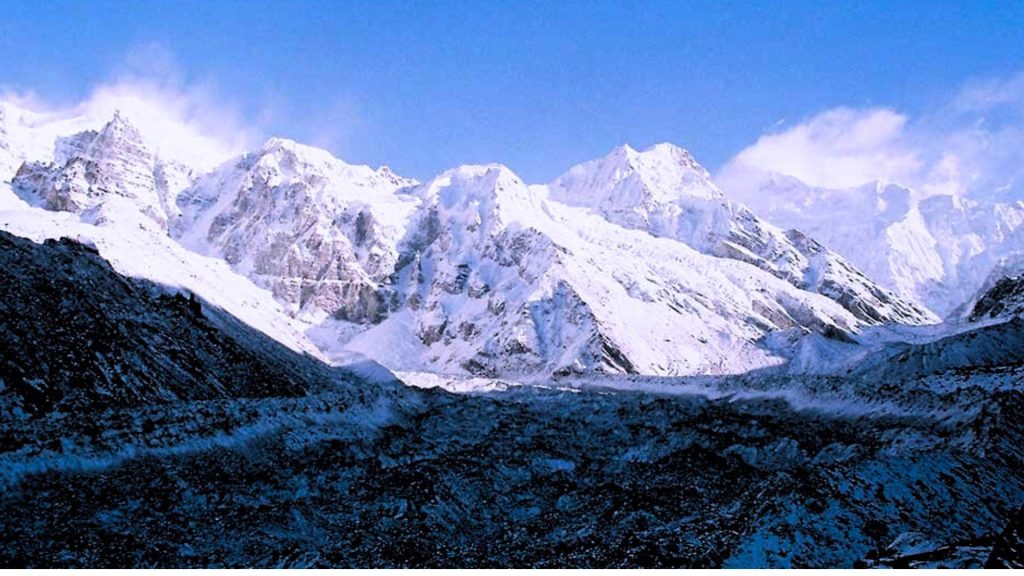
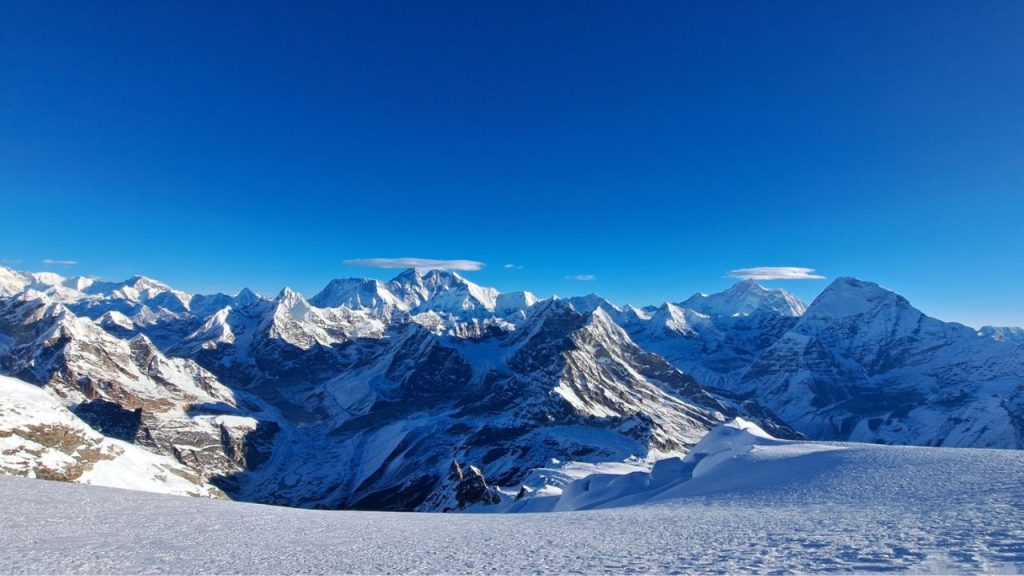
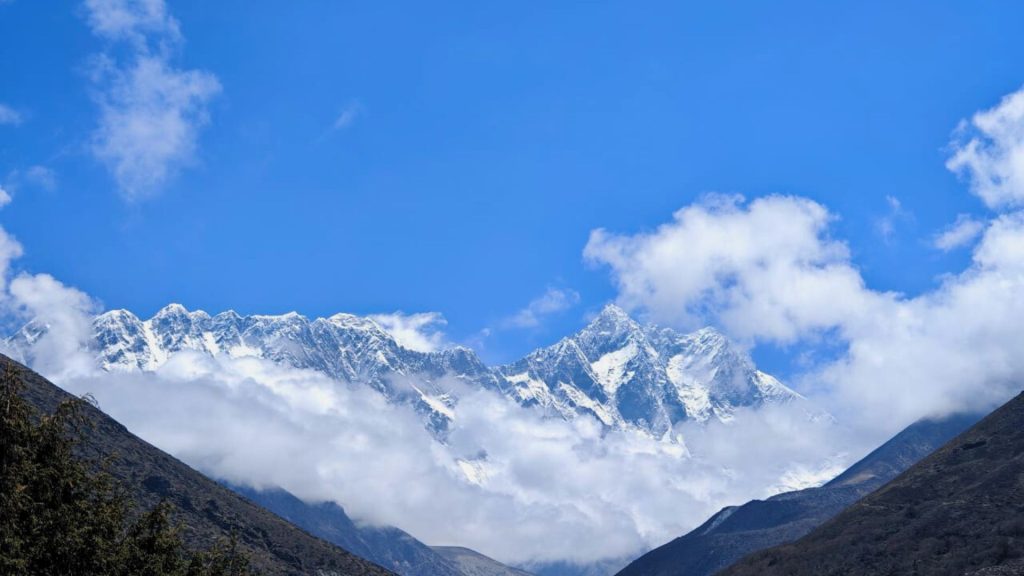
The Everest Region, also known as the Khumbu Region, is one of the most famous and beautiful places in Nepal. It is home to the world’s highest peak, Mount Everest (8,848.86 meters), called Sagarmatha in Nepali and Chomolungma in Tibetan. Every year, thousands of trekkers, climbers, and adventure lovers come from around the world to experience the majestic beauty of this region.
But the Everest Region is not just about climbing the tallest mountain. It also offers stunning landscapes, unique culture, and warm-hearted Sherpa people who make every journey unforgettable.
Location of the Everest Region
The Everest Region lies in the Solukhumbu district of northeastern Nepal, within the Sagarmatha National Park, a UNESCO World Heritage Site. The region starts from Lukla, a small mountain town with an airport, and stretches all the way to the Everest Base Camp (EBC) and beyond.
It borders Tibet (China) to the north and includes many of the tallest peaks in the world, such as Lhotse (8,516 m), Nuptse (7,861 m), Ama Dablam (6,812 m), Cho Oyu (8,188 m), and Makalu (8,485 m).
Popular Places in the Everest Region
a. Everest Base Camp (EBC)
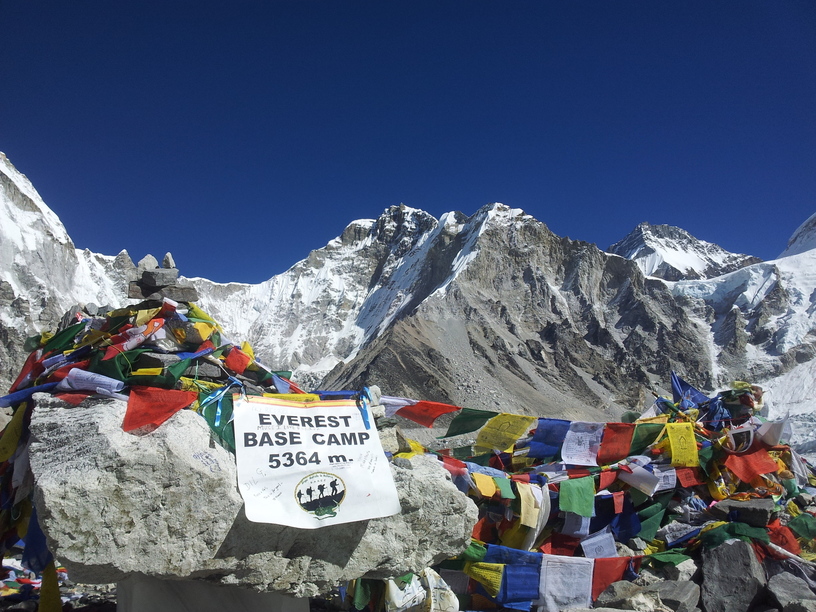
Everest Base Camp is the most popular trekking destination in the region. Located at an altitude of 5,364 meters, EBC is the base point for climbers who attempt to summit Mount Everest. The trek to EBC offers unforgettable views of glaciers, mountains, and beautiful Sherpa villages.
b. Namche Bazaar
Namche Bazaar (3,440 m) is known as the gateway to Everest. It is the main trading town of the region, with shops, bakeries, internet cafés, and even ATMs. Trekkers usually stay here for acclimatization, to adjust to the altitude.
c. Tengboche Monastery
One of the most beautiful spiritual places in the region, Tengboche Monastery is a peaceful stop along the EBC trek. With views of Ama Dablam in the background, it’s a great place to rest and learn about Buddhism.
d. Gokyo Lakes
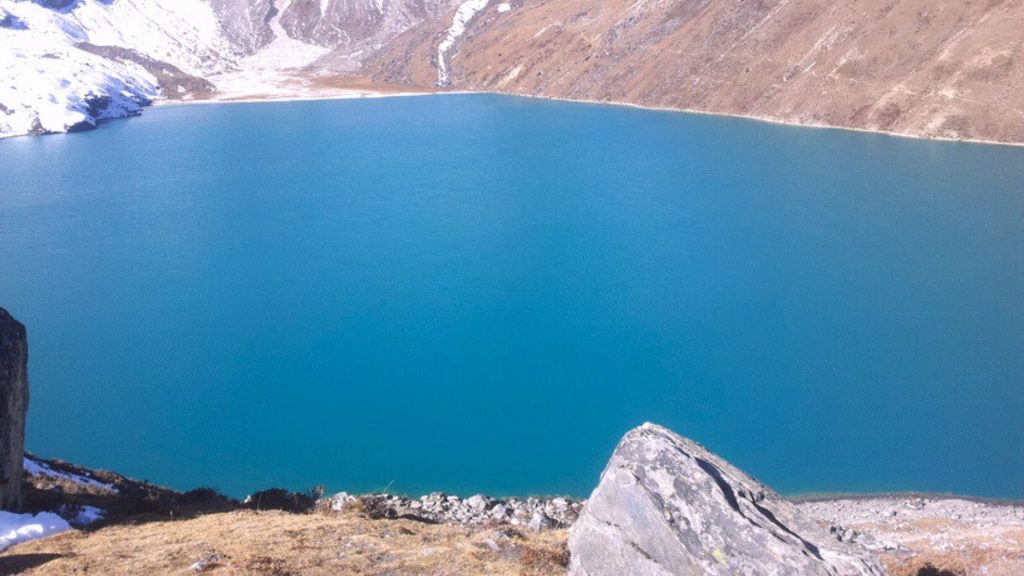
The Gokyo Lakes are a group of stunning high-altitude lakes. The Gokyo Ri (5,357 m) viewpoint offers one of the best panoramic views of Everest, Cho Oyu, and other peaks. The Gokyo Valley trek is a great alternative to the regular EBC trail.
e. Kala Patthar
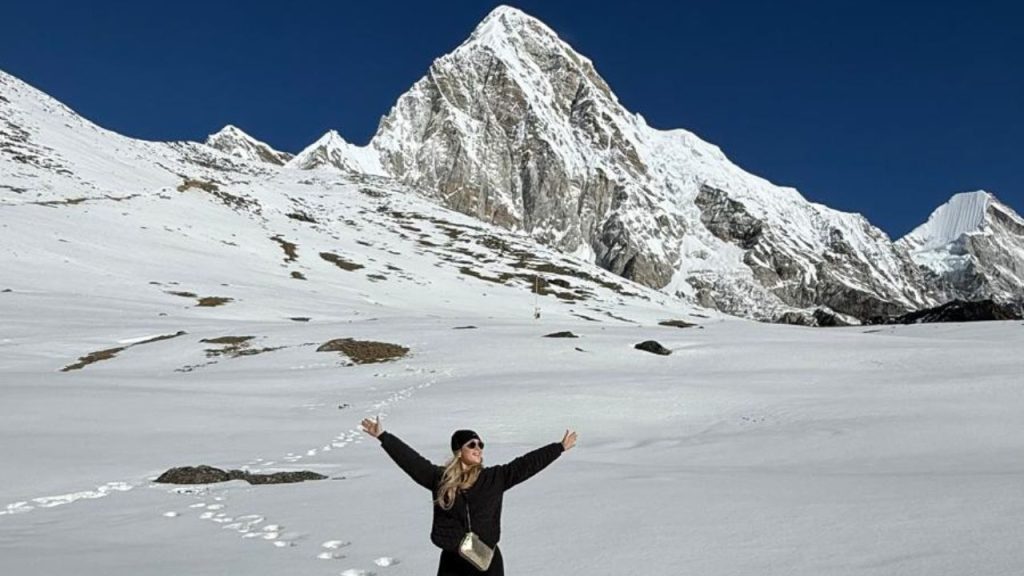
Kala Patthar (5,545 m) is the best viewpoint of Mount Everest. From here, trekkers can see the sunrise over Everest, with clear views that are often better than from EBC itself.
Trek through Phakding, Namche Bazaar, Tengboche, Dingboche, Lobuche, Gorak Shep, and finally Everest Base Camp
Return the same way back to Lukla
b. Gokyo Valley Trek (12–14 days)
Visit the Gokyo Lakes and Gokyo Ri
Offers quieter trails and equally stunning views
Can be combined with the EBC trek via Cho La Pass (5,420 m)
c. Three Passes Trek (18–21 days)
The most challenging trek in the region
Crosses Kongma La (5,535 m), Cho La (5,420 m), and Renjo La (5,360 m)
Covers EBC, Gokyo, and remote valleys
d. Short Everest View Trek (5–7 days)
Perfect for travelers who have limited time
Goes up to Tengboche or Namche Bazaar
Offers amazing views of Everest without going to Base Camp
Culture and People of Everest
The Everest Region is the home of the Sherpa people, known for their courage, strength, and deep connection to the mountains. Most Sherpas follow Tibetan Buddhism. You’ll find colorful prayer flags, spinning prayer wheels, mani walls, and ancient monasteries along the trails.
Sherpas are also famous worldwide for their role in mountaineering. Many have helped foreign climbers reach the summit of Everest. The culture is simple, spiritual, and deeply connected to nature.
Visitors are warmly welcomed in Sherpa lodges and homes. You can enjoy traditional meals like shyakpa (Sherpa stew), tsampa (roasted barley flour), butter tea, and of course, dal bhat.
Natural Beauty and Biodiversity
The Sagarmatha National Park protects the forests, wildlife, and landscapes of the Everest Region. It ranges from alpine forests at lower altitudes to snowy peaks above 8,000 meters.
Flora
Rhododendron forests (blooming in spring)
Pine, fir, and birch trees
Alpine meadows and pastures
Fauna
Himalayan tahr
Snow leopard (rare)
Musk deer
Red panda
Himalayan monal (Nepal’s national bird)
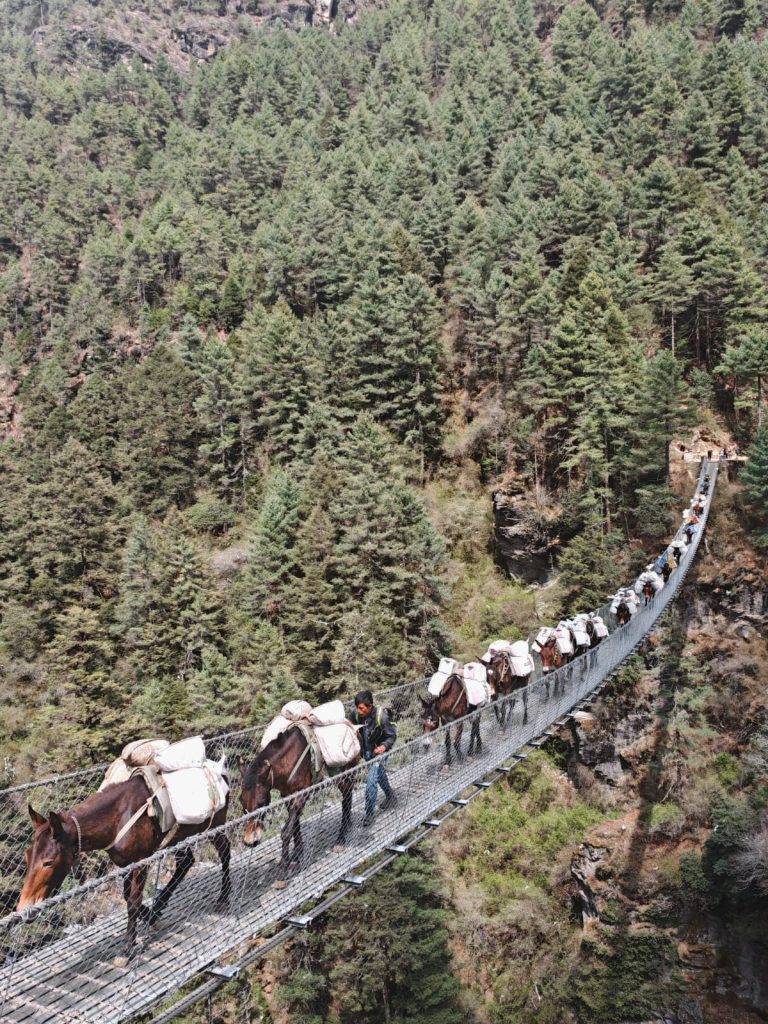
Yaks, which carry goods and supplies across the trails
Best Time to Visit
The best seasons for trekking in the Everest Region are:
Spring (March–May): Pleasant weather, blooming flowers, clear mountain views
Autumn (September–November): Stable weather, great visibility, and moderate temperatures
Other seasons:
Winter (December–February): Cold and snowy, but fewer trekkers
Monsoon (June–August): Rainy, cloudy, and risk of landslides—not recommended
Accommodation and Food
The Everest Region has well-developed tea houses, which offer basic lodging and meals. Facilities are simple but cozy, with options like:
Twin sharing rooms with blankets
Shared or private bathrooms (depending on location)
Dining halls with fire-heaters
Food options include:
Dal bhat
Noodles, pasta, rice dishes
Bread, eggs, pancakes, porridge
Yak cheese, momos, soups
Tea, coffee, and hot drinks
The higher you go, the more expensive food and water becomes. Prices rise with altitude due to transportation difficulties.
How to Get There
The most common way to reach the Everest Region is by flying to Lukla Airport, one of the world’s most thrilling airports.
Kathmandu or Ramechhap to Lukla flight takes about 30–35 minutes
In case of flight cancellation due to weather, an alternative is to drive to Salleri and then start trekking from there
Permits Needed
To trek in the Everest Region, you need the following permits:
Sagarmatha National Park Entry Permit
NPR 3,000 for foreigners
Khumbu Pasang Lhamu Rural Municipality Permit
NPR 2,000 per person
These permits can be arranged in Kathmandu or at the entry points on the trail.
Safety and Acclimatization
The biggest challenge in the Everest Region is altitude sickness. It can happen if you gain height too quickly. To avoid this:
Take proper acclimatization days (especially in Namche and Dingboche)
Drink plenty of water
Walk slowly and avoid alcohol
Know the symptoms: headache, nausea, dizziness, tiredness
Descend immediately if symptoms get worse
Many trekkers carry Diamox tablets as a precaution.
Challenges of Trekking in Everest
While trekking in the Everest Region is rewarding, it also comes with a few challenges:
Weather can change quickly
Flight delays to and from Lukla are common
Cold temperatures at night (especially above 4,000 m)
High cost compared to other regions due to remote location
Physical demand – requires good stamina and health
But with preparation and a positive attitude, these challenges can be overcome.
Why Visit the Everest Region?
Here’s why the Everest Region is so special:
Stand in the shadow of Mount Everest, the tallest mountain in the world
Experience the rich Sherpa culture and hospitality
Witness breathtaking mountain scenery
Visit ancient monasteries and spiritual sites
Trek through glaciers, alpine forests, and yak pastures
Achieve a once-in-a-lifetime goal of reaching Everest Base Camp
Useful Tips for Trekkers
Hire a local guide or porter – helps the community and keeps you safe
Travel insurance with helicopter rescue is highly recommended
Carry cash (Nepali rupees) – no ATMs after Namche Bazaar
Pack light but smart – layers, down jacket, gloves, sunglasses, sunscreen
Respect local culture – greet with “Namaste,” ask before taking photos
The Everest Region is more than a destination—it’s a dream, a challenge, and a spiritual journey all at once. Whether you are standing in front of the mighty Everest, praying at a quiet monastery, or enjoying warm Sherpa tea after a long day of hiking, the experience is powerful and unforgettable.
For travelers seeking adventure, beauty, and cultural connection, Everest offers everything. It is a journey into the heart of the Himalayas and into your own strength.