
Mera Peak Climbing – Full Itinerary & Cost
- Nepal See on map
-
Duration 17 Nights/ 18 Days
-
Difficulty Challenging
-
Region EVEREST REGION
-
Activity PEAK CLIMBING
-
Best Season March-May
-
Start/End Point Kathmandu
-
Group Size 1-12 People
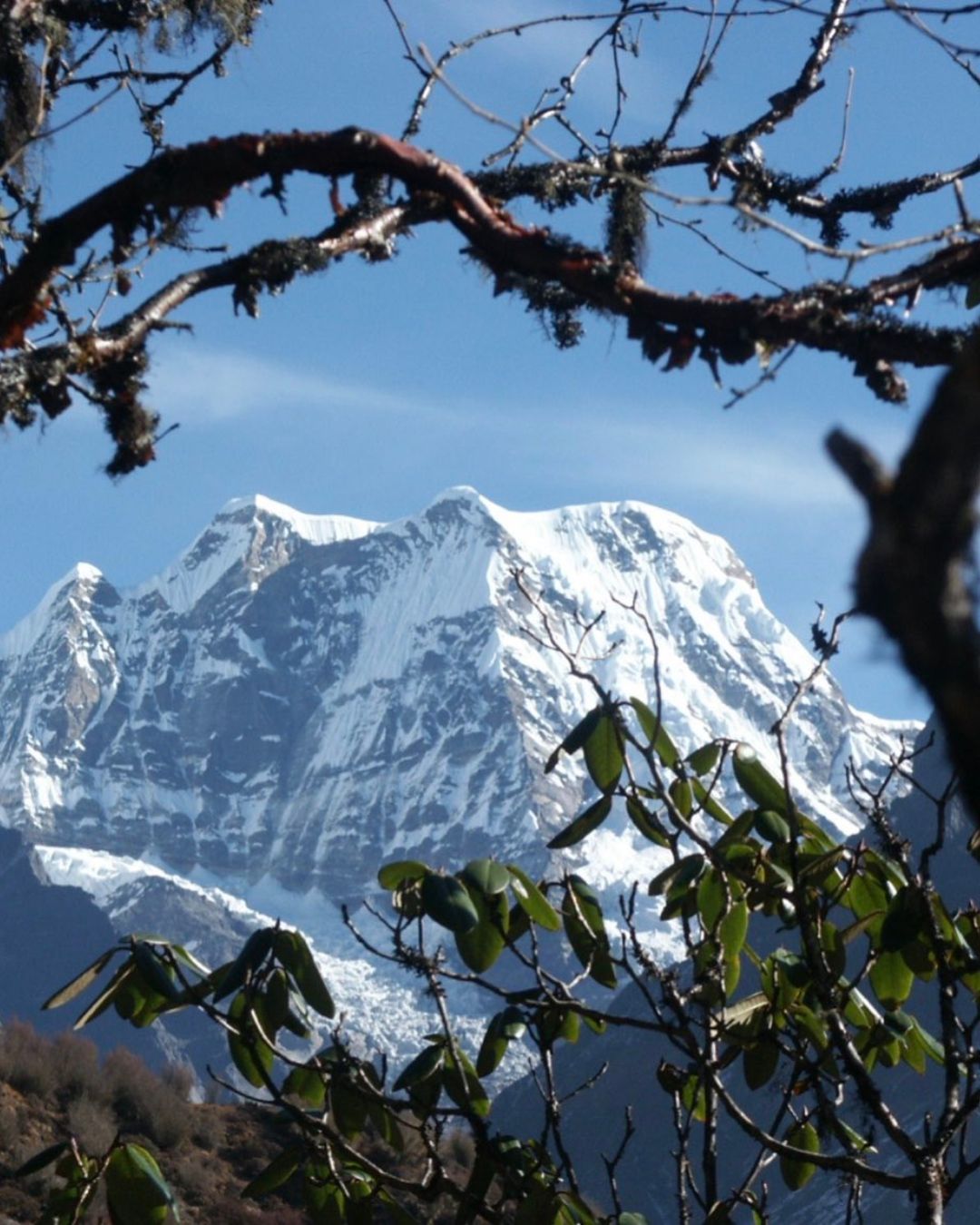
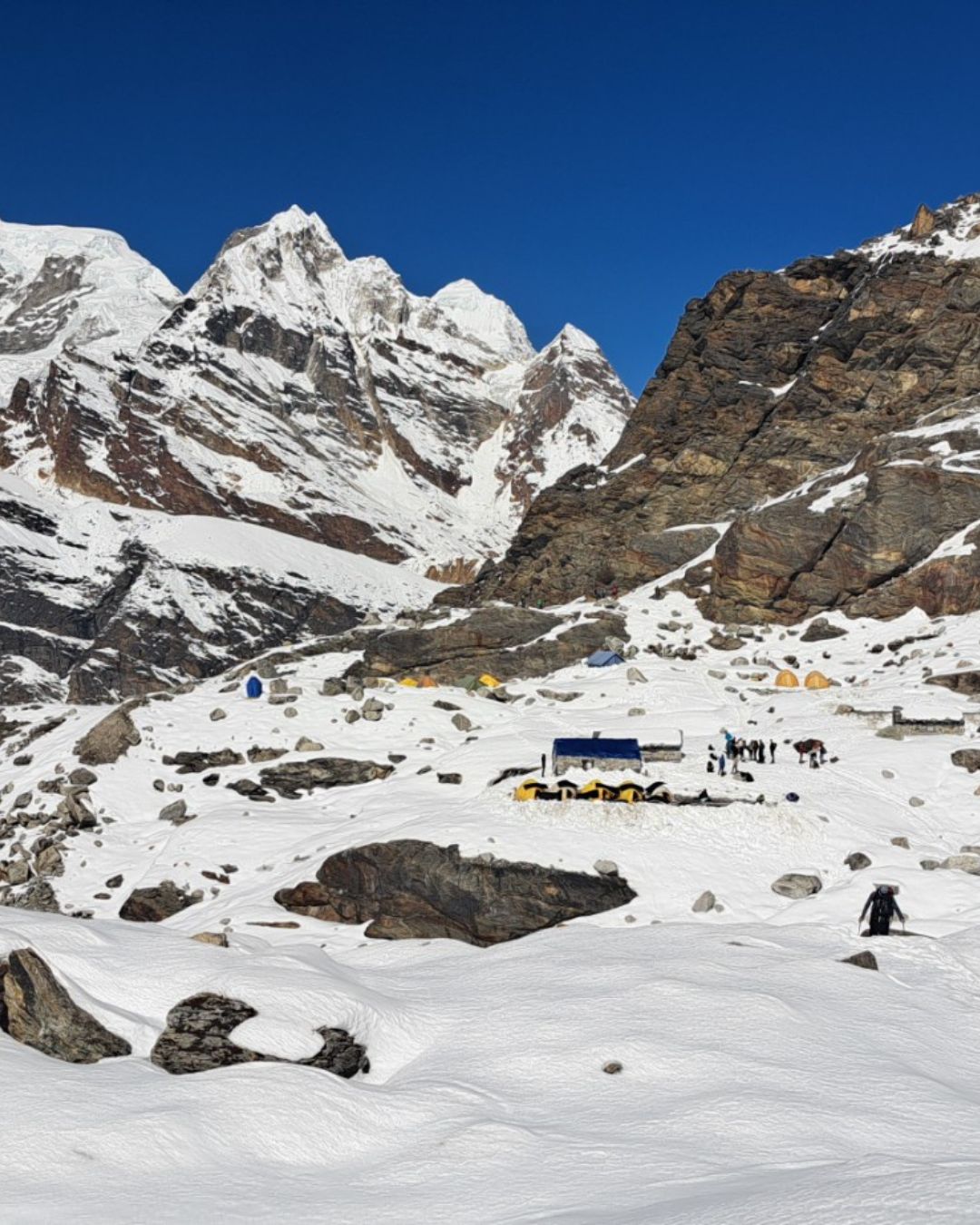
Embark on an exhilarating 18-day journey to the summit of Mera Peak (6,476 meters), one of Nepal’s most iconic trekking peaks. Our carefully crafted itinerary leads you through the remote and less-traveled areas of the Khumbu region, passing through vibrant Sherpa villages and verdant forests that offer breathtaking Himalayan landscapes at every turn.
About Mera Peak
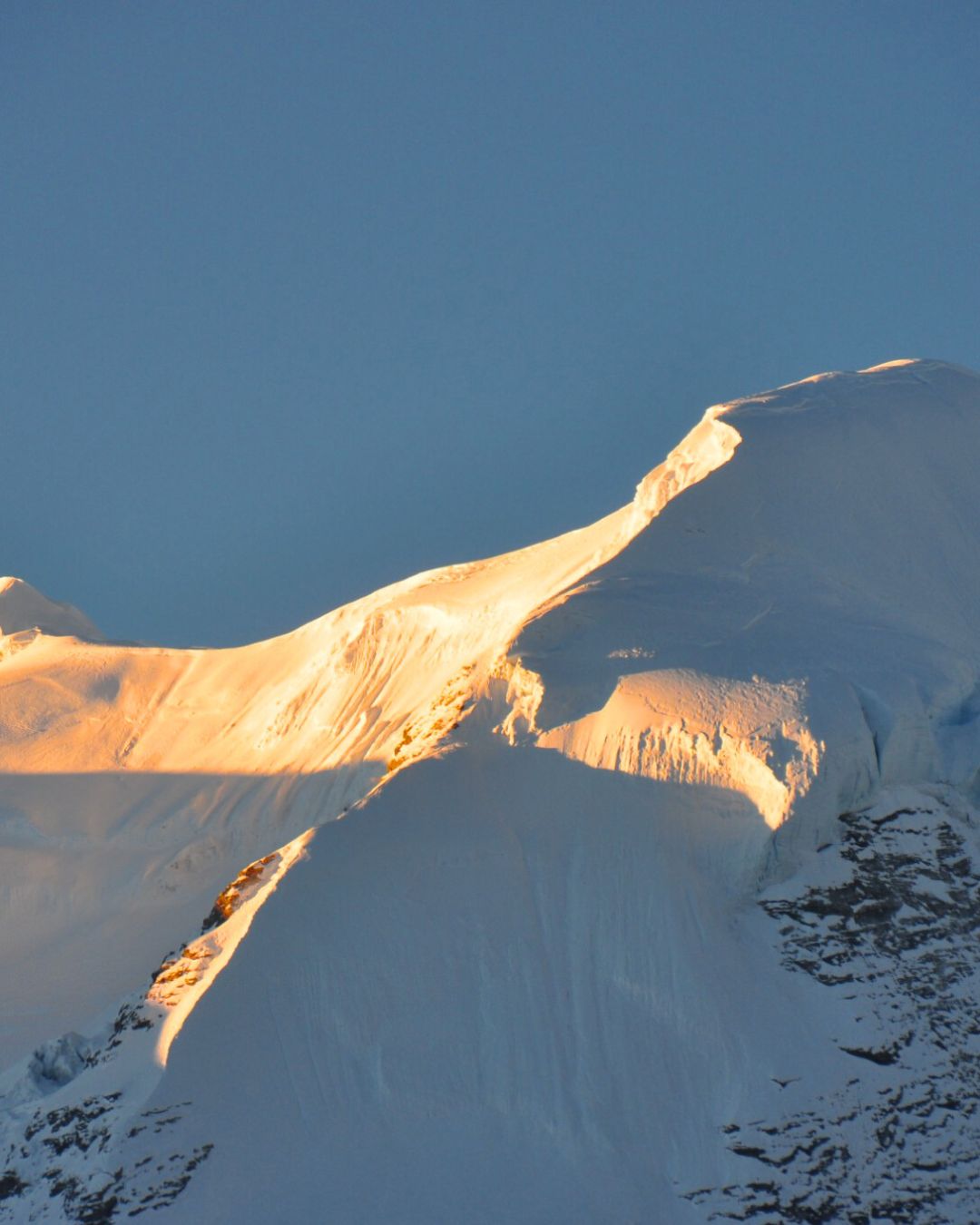
Rising proudly to 6,476 meters (21,247 feet) just south of Mt. Everest, Mera Peak features three summits:
- Mera North – 6,476 m (21,247 ft)
- Mera Central – 6,461 m (21,198 ft)
- Mera South – 6,065 m (19,898 ft)
The peak was first climbed in 1953 by J.O.M. Roberts and Sen Tenzing. Later in 1975, French mountaineers Marcel Jolly, G. Baus, and L. Honnis ascended the north summit, following the original route and continuing along the connecting ridge.
Off-the-Beaten Path Adventure
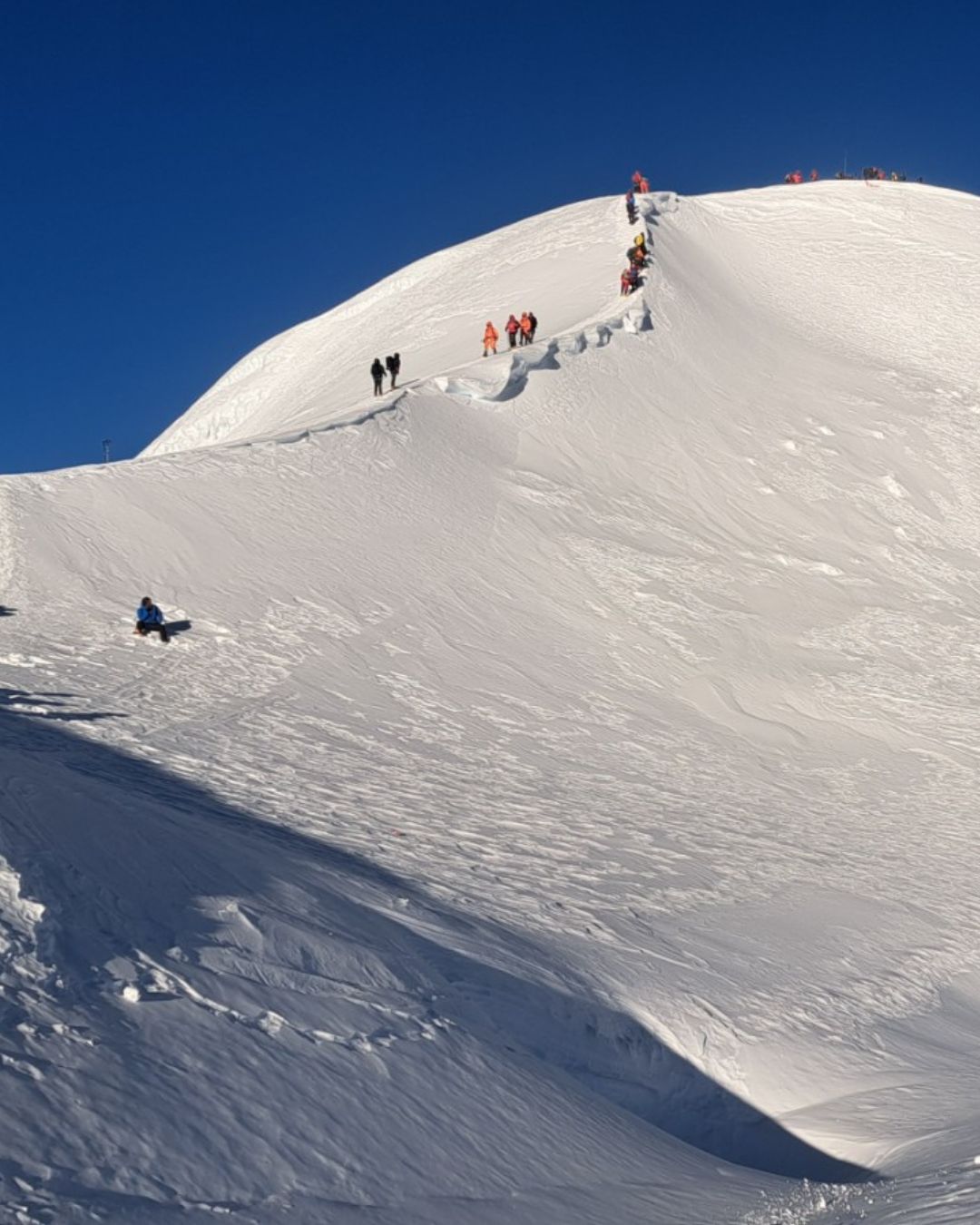
The Mera Peak trail offers a unique and quieter alternative to more crowded trekking routes. You’ll venture deep into the scenic Hinku and Hongu valleys—some of the most pristine regions in the Himalayas. With a climbing route that typically does not exceed a 30-degree incline, Mera Peak is ideal for first-time climbers seeking a rewarding alpine experience.
Our experienced Sherpa guides will install fixed ropes where necessary and ensure your safety at every stage, helping you reach the summit with confidence and security.
Stunning Himalayan Views
The views from Mera Peak are truly unmatched. On a clear day, you’ll witness five of the world’s tallest mountains, including:
- Mt. Everest (8,849 m / 29,032 ft)
- Kanchenjunga (8,586 m / 28,169 ft)
- Lhotse (8,516 m / 27,940 ft)
- Makalu (8,463 m / 27,766 ft)
- Cho Oyu (8,188 m / 26,864 ft)
In addition to these giant peaks, enjoy stunning vistas of Ama Dablam, Baruntse, Thamserku, Island Peak, and other snow-capped wonders. The diverse terrain, ranging from glacial basins to lush alpine valleys, makes this climb visually unforgettable.
Why Choose Us for the Mera Peak?
- Expert Sherpa Guides: Our licensed guides are highly trained and experienced in managing high-altitude challenges and emergencies.
- Safety First: We conduct thorough safety briefings and provide essential climbing equipment. Our team prioritizes your health, safety, and preparation above all.
- Uncompromised Quality: We focus on the small but crucial details to ensure your journey is smooth, enjoyable, and comfortable without cutting corners.
- Proven Success: With numerous successful Mera Peak summits under our belt, we know what it takes to get you to the top safely.
Explore More Beginner Friendly Climbs & Treks:
- Langtang Valley Trek
- Mardi Himal Trek
… and many more adventures await!
Highlights
-
Adventurous, off-beat venture in the less crowded part of the Khumbu region
Excellent views of the eight-thousanders Everest, Makalu, Cho Oyu, Kanchenjunga, and Lhotse
Expedition fully guided by experienced Sherpa climbers in a remote part of the Himalayas
Perfect non-technical peak to climb in the Himalayas for new climbers
Conquer the highest trekking peak in Nepal
Learn about the rich cultural heritage of the Sherpas while trekking through picturesque villages
Explore the gorgeous Hongu and Hinku valley
Witness diverse mountain landscapes along the trekking route
Itinerary
Price Includes
- Airport transfer services arrival/departure and local flight schedule
- 3-Night Hotel in Kathmandu
- Accommodations during the treks and 1-night tent camp.
- Standard 3 meals while on the trek and climbing time a cup of tea or coffee with meals
- Experienced English-speaking government Licensed trekking guide
- Climbing Guide with the Climbing crew
- Porter
- All applicable Climbing Permits, National park TIMS, and Local permits
- Flight tickets from Kathmandu- Lukla or manthali – Lukla and Lukla to Kathmandu or manthali
- Official expenses and government tax/VAT
- Farewell Dinner in a fine Restaurant
Price Excludes
- International flight tickets
- Nepal visa Fees
- Lunch, Dinner, and Extra Night Accommodation in Kathmandu
- During trekking time personal expenses, snacks, drink Beer coke, juice, water, Hot showers, wi-fi, etc.
- Travel and health Insurance which cover emergency Rescues and evacuations
- Tips for guide, and porter (it is expected)
Essential Information
Useful Info
Mera Peak difficulty
Mera peak is the highest trekking peak in Nepal. The climbing route is not technically difficult, so this peak is one of the ideal options for new climbers. With some climbing training and proper acclimatization, one can climb Mera peak without any issues.
You have to be prepared physically and mentally to be at a high altitude in one of the world’s remotest parts. Even though Mera peak lets you skip the advanced climbing part, the long walking hours and limited facilities make the overall journey challenging.
The terrain is rough and steep. There are long ascends & descends involved along the trekking route. You can do Mera peak climbing smoothly with a properly planned itinerary and an experienced climbing crew.
Altitude Sickness
Altitude sickness occurs when people are not used to high altitudes, and they quickly go from a lower elevation to a higher elevation (2,500m or above). You do not have to worry about altitude sickness because we have ample rest days in our Mera peak climbing itinerary.
Our crew will make sure your body sees a constant increase in elevation every day and adjust properly before pushing towards high camps.
Some early symptoms of altitude sickness you should know are difficulty in breathing, insomnia, headache, no appetite, dizziness, etc. Walk at your pace, eat nutritious food, and drink plenty of water. Do not smoke or drink anything with alcohol.
Training for the Mera Peak climbing
To climb Mera Peak, first, you have to be an experienced trekker, and second, you have to give yourself a minimum of 4 to 6 weeks for the training period. Previous high altitude trekking up to 5,500 m will help you a lot in acclimatization and long walking hours (6-8 hours).
Training on endurance and strength is crucial. Building core calves will prepare your legs for uphill walks. You can even cycle uphill or swim to build your endurance.
Running will also help you prepare for the expedition. Start with 5 km and increase to 10 km after a month and try running with at least a 7 kgs backpack to build your strength.
Our team will help you with preparation and help you get ready with the needed mindset for the expedition. Similarly, we will help you with packing and buying the necessary clothing/gear for climbing Mera Peak.
Last Minute Booking for Mera Peak climbing
100% of the Mera peak climbing cost needs to be made for a last-minute booking. It will help us do necessary accommodation reservations in Kathmandu and along the trekking route.
Along with the deposit, details like gender, nationality, date of birth, passport number, and passport expiry date are also needed. You need to send us a soft copy of the passport with other details.
For more information regarding the last-minute booking, feel free to talk with us.
Best time to climb Mera Peak in 2025|2026|2027
The best time to climb Mera peak is in spring- March to early May. It’s the mountaineering season in the Himalayas. Thanks to the stable weather in spring, there are no delays in flights, and you’ll be able to push to the summit as per your itinerary.
We do keep a reserve contingency day if any unseen event occurs during the climbing period. You can also plan to climb Mera peak in autumn- October to November 2025|2026|2027. This is another great time of the year for excursions in the Himalayas.
Accommodation & Meals
Meals during the climbing period are prepared by skilled and experienced expedition cooks. The food we provide will be hygienic, and nutritious and will help maintain your diet. We provide all kinds of food, including continental, Nepali, Tibetan, etc.
Breakfast includes porridge, egg, bread, and so on. A number of the items in the lunch contain rice, lentils, beans, greens, chapattis, bread, and tinned meat and fish. For desserts, tea or coffee or fresh fruits are provided. For the main meal, there is local Dal Bhat. Chinese and continental dishes like pizza, pasta, noodles, etc, are served occasionally.
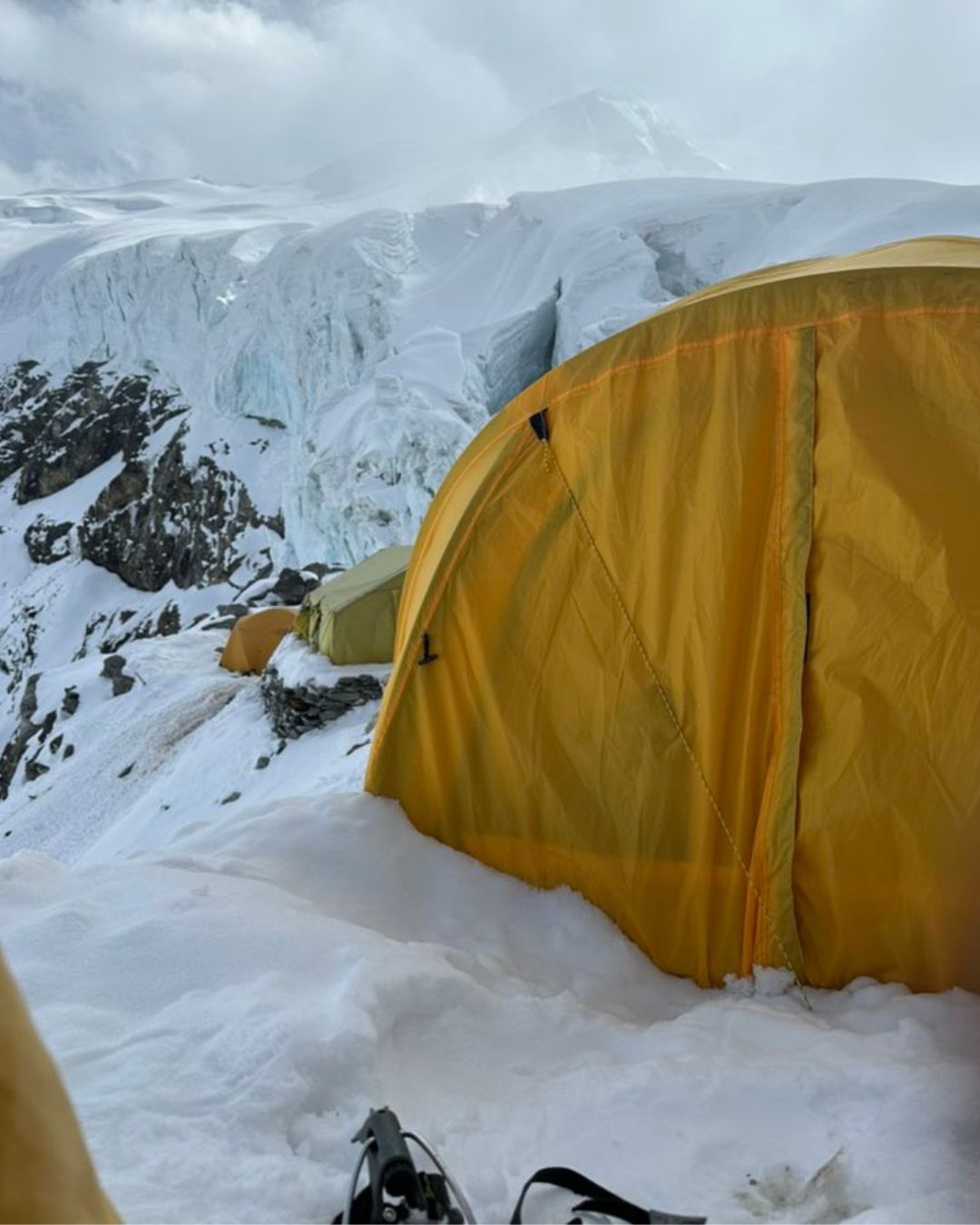
The accommodation includes Hotels in Kathmandu with breakfast. Lodge accommodation will be provided from Paiya (first night stop) to Lukla (ending point of the journey). From Mera peak base camp and here onwards, we will use alpine tents with a full board basis.
Travel Insurance
Travel insurance is an essential part of our Mera peak climbing. We do need well-covered travel insurance with emergency evacuation for the Mera expedition.
Your travel insurance should consist of the following things:
Medical rescue and treatment: It is necessary for all the people going on mountain expeditions to have insurance cover for emergency evacuation and medical treatment as medical evacuation in remote places, where there is no transportation available is very expensive. The clients need to get fully insured.
Travel protection: Insurance having travel protection helps you cover all the trip deposits that are non-refundable in case you might have to cancel the trip. The policy can also help when your flight gets delayed due to insured events like natural disasters, bad weather, political disturbance, etc.
Lost or delayed baggage: Most travel insurance also covers the lost or delayed baggage cost. However, there is a limit to how much it covers. Check with your travel insurance provider.
Climbing Tips (electricity, internet, ATM, luggage, tipping, personal expenses)
-
Do not wear a new pair of shoes while hiking or climbing. It may give you blisters and make long walks uncomfortable. If you are buying new trekking/climbing shoes, then wear them a few times before the journey begins.
There are charging stations in all the lodges. You can charge your devices by paying a little money. From base camp onwards, carry a solar charger to charge your devices.
There is no ATM on the Mera peak climbing route, so withdraw cash in Kathmandu to use while trekking.
To have a better internet facility get a Nepal sim with a data pack and use it on the trail. The connection may not be stable all the time because of elevation.
All of our heavy trekking & climbing gears are carried by porters. You can carry a daypack to keep essentials with you.
Our Mera peak climbing cost does not contain tips. Feel free to tip our crew members at the end of the trip if you are happy with their work.
Make a budget to use additional services on the trail, do shopping in Kathmandu, buy intentional flight tickets to/from Kathmandu, etc.
FAQs
Mera peak is the highest trekking peak in Nepal, standing at 6,476 meters sea level.
Mera peak is located in the Hinku valley, Nepal. The mountain is specifically situated in the Mahalangur section, Barun sub-section of the Himalayas in the Khumbu region.
To reach Mera peak, you have to fly to Lukla and trek up to Khare, the base camp of Mera peak. The trekking route ascends south of Lukla through the stunning Hinku valley and returns via the Zatra La pass.
The Mera peak climbing itinerary can go from 12 days to 21 days. Our ideal itinerary is 18 days long. If you are planning to climb Mera peak in less than 16 to 18 days, make sure you are well prepared for the journey physically.
No, Mera peak is not tougher than the Island peak. In terms of technical difficulty, the Island peak surpasses the Mera peak. However, the Mera peak has a higher altitude than the Island peak. Regardless of the elevation difference, we say Mera Peak is easier to climb than the Island peak.